Embark on a fascinating journey into the world of mycology with our comprehensive guide, “How to Prepare Straw as a Mushroom Substrate.” This exploration promises an engaging start, unveiling the secrets behind transforming humble straw into a fertile ground for a diverse array of mushrooms. Prepare to be intrigued as we delve into the foundational elements that make straw an exceptional choice for cultivation, setting the stage for a rewarding and fruitful endeavor.
We will meticulously detail the nutritional components of straw that foster robust fungal growth, alongside a balanced perspective on its advantages and disadvantages when compared to other substrates. Furthermore, we will identify the most suitable types of straw for mushroom cultivation, outlining their unique characteristics to ensure you select the perfect base for your projects. This introduction aims to provide a clear and captivating overview, sparking curiosity and a desire to learn more.
Understanding Straw as a Mushroom Substrate
Straw is a widely accessible and cost-effective agricultural byproduct that has proven to be an excellent medium for cultivating a variety of mushroom species. Its unique physical and chemical properties provide the necessary support, moisture retention, and nutrient base for fungal mycelial growth and subsequent fruiting. Understanding these characteristics is fundamental to successful mushroom cultivation using straw.The suitability of straw as a mushroom substrate stems from its composition, which offers a balanced blend of carbon and nitrogen, along with other essential elements.
This composition, when properly prepared, creates an environment conducive to the colonization by mushroom mycelium while discouraging the growth of competing microorganisms.
Fundamental Properties of Straw for Mushroom Cultivation
Straw’s cellular structure, primarily composed of cellulose, hemicellulose, and lignin, provides a porous and fibrous matrix. This structure allows for excellent aeration, which is crucial for the respiration of both the mushroom mycelium and the developing mushrooms. Furthermore, its high surface area-to-volume ratio offers ample attachment points for fungal hyphae, facilitating rapid colonization. The fibrous nature also contributes to its ability to absorb and retain a significant amount of water, a vital resource for mushroom development.
Nutritional Content of Straw Relevant to Fungal Growth
While straw is not as nutrient-rich as some other substrates, it contains sufficient levels of essential compounds for many mushroom species. The primary nutritional components relevant to fungal growth include:
- Carbohydrates: Cellulose and hemicellulose are the main sources of energy for the mushroom mycelium. These complex carbohydrates are broken down by fungal enzymes.
- Lignin: While more resistant to decomposition, lignin also contributes to the carbon pool and can be utilized by certain ligninolytic fungi.
- Minerals: Straw contains trace amounts of essential minerals such as potassium, phosphorus, and magnesium, which play roles in various enzymatic processes within the fungus.
- Nitrogen: Straw is generally low in nitrogen. This is a key factor that often necessitates supplementation when aiming for high yields or faster colonization, especially for species with higher nitrogen requirements. The carbon-to-nitrogen (C:N) ratio of raw straw typically ranges from 80:1 to over 100:1, which is too high for many fungi without amendments.
Advantages and Disadvantages of Using Straw
Using straw as a mushroom substrate offers several benefits, but it also comes with certain drawbacks that growers should be aware of.
Advantages:
- Cost-Effectiveness: Straw is an abundant and inexpensive agricultural byproduct, making it an economically viable choice for both hobbyists and commercial growers.
- Availability: It is readily available in most agricultural regions, particularly after grain harvests.
- Ease of Preparation: While pasteurization or sterilization is required, straw is generally straightforward to process compared to some more complex substrates.
- Suitability for Specific Species: Many popular edible mushrooms, such as oyster mushrooms (Pleurotus spp.), straw mushrooms (Volvariella volvacea), and some varieties of shiitake (Lentinula edodes), thrive on straw.
Disadvantages:
- Low Nutrient Content: As mentioned, the low nitrogen content can limit yields and slow colonization without supplementation.
- Susceptibility to Contamination: If not properly pasteurized or sterilized, straw can be easily colonized by competing molds and bacteria, leading to crop failure.
- Bulk and Storage: Dry straw can be bulky and requires storage space, and it can be prone to moisture absorption and degradation if not kept dry.
- Potential for Pesticide Residues: Depending on agricultural practices, straw may contain residual pesticides that could inhibit fungal growth or pose health risks. Sourcing straw from organic or trusted farms is advisable.
Common Types of Straw Suitable for Mushroom Growing
Different types of straw possess slightly varying characteristics that can influence their performance as a substrate. The most common and suitable types include:
Wheat Straw:
Wheat straw is arguably the most popular choice for mushroom cultivation. It is widely available, relatively clean, and has a good balance of cellulose and hemicellulose. Its fibrous nature and moderate density make it easy to handle and process. Wheat straw typically has a favorable physical structure that allows for good air and water exchange when hydrated.
Oat Straw:
Oat straw is another excellent option, often considered slightly softer and more digestible for fungi than wheat straw. This can sometimes lead to faster colonization times. It is also readily available and shares many of the desirable physical properties of wheat straw.
Barley Straw:
Barley straw is also used, though it may be less common than wheat or oat straw in some regions. It is generally similar in composition and structure to the other cereal straws and performs well as a substrate.
Rice Straw:
In regions where rice is a staple crop, rice straw is a common and effective substrate. It can be slightly more challenging to work with due to its potentially higher silica content, which can make it tougher. However, it is highly effective for certain species, particularly the straw mushroom (Volvariella volvacea), which is named after its primary substrate. Proper chopping and hydration are key when using rice straw.The selection of straw type may also depend on local availability and the specific mushroom species being cultivated.
However, for most common oyster mushroom varieties, wheat and oat straw are generally considered the top choices due to their balanced properties and ease of preparation.
Preparing Straw for Sterilization/Pasteurization

Having understood the fundamental nature of straw as a mushroom substrate, the next crucial phase involves its preparation for the vital processes of sterilization or pasteurization. This stage is critical for eliminating competing microorganisms and creating an environment conducive to mushroom mycelial growth. Proper preparation ensures that the straw is optimally receptive to colonization, leading to healthier and more abundant yields.The initial steps in preparing straw for mushroom cultivation involve physical manipulation and hydration.
These processes are designed to break down the tough cellulose and lignin structure of the straw, making it more accessible to mushroom mycelium, and to bring it to a moisture level that is ideal for microbial activity, but not so wet that it becomes anaerobic.
Chopping Straw
The physical act of chopping straw significantly increases its surface area, which is a key factor in promoting faster and more uniform mycelial colonization. A larger surface area provides more points of entry for the mushroom mycelium to begin its growth. Different methods of chopping can impact the ease of handling and the final texture of the substrate.Methods for chopping straw include using manual tools or powered machinery.
Manual chopping can be achieved with large shears, sickles, or specialized straw choppers. While these methods are accessible and require less investment, they can be labor-intensive, especially for larger quantities. Powered straw choppers or chippers offer a more efficient solution, quickly reducing straw into smaller, more manageable pieces. The desired length of the chopped straw typically ranges from 1 to 3 inches (2.5 to 7.5 cm), though this can vary depending on the specific mushroom species being cultivated.
Shorter pieces may colonize faster but can also compact more readily, potentially hindering gas exchange. Longer pieces offer better aeration but might take longer to colonize fully.
Hydration Levels for Optimal Colonization
Achieving the correct moisture content in straw is paramount for successful mushroom cultivation. The ideal moisture level allows for adequate nutrient availability and microbial activity without creating anaerobic conditions that favor the growth of undesirable bacteria and molds. This moisture level is often described as “field capacity,” where the substrate holds as much water as it can without water dripping out when squeezed firmly.A common method to assess the correct hydration level is the squeeze test.
When a handful of hydrated straw is squeezed firmly, only a few drops of water should be released. If water streams out, the substrate is too wet. If no water comes out, it is too dry. This balance is crucial; too little moisture will inhibit mycelial growth, while too much will suffocate the mycelium by limiting oxygen availability.
Soaking Straw
Soaking is the primary method for hydrating straw and begins the process of breaking down its complex structure. This step is essential for both pasteurization and sterilization, as it prepares the straw for the heat treatment by ensuring uniform moisture distribution.A step-by-step guide for soaking straw is as follows:
- Gather Materials: You will need your chopped straw, a large container (such as a clean garbage bin, large bucket, or tub), and clean water.
- Submerge the Straw: Place the chopped straw into the container. It is important to ensure that all the straw is fully submerged. Straw is naturally buoyant, so you may need to use a weight (like a clean brick or a heavy object placed on top) to keep it underwater.
- Water Temperature: For most common mushroom species and pasteurization methods, using cool to lukewarm water is recommended. Water temperatures between 60-70°F (15-21°C) are generally suitable. Avoid using hot water, as this can begin to cook the straw and negatively impact its structure and the subsequent colonization process.
- Soaking Duration: The duration of the soak is critical. Typically, straw should be soaked for a minimum of 12 to 24 hours. For some species or drier climates, an extended soak of up to 48 hours may be beneficial. This prolonged immersion allows water to penetrate the dense straw fibers and begin the rehydration process.
- Draining: After the soaking period, thoroughly drain the straw. This is often done by placing the straw in a large mesh bag or colander and allowing excess water to run off. Ensure that the straw is not waterlogged; it should feel damp but not dripping.
This soaking process not only hydrates the straw but also begins to leach out some of the soluble compounds that might otherwise inhibit mushroom growth. It is a foundational step that directly influences the success of the subsequent sterilization or pasteurization and ultimately, the health of your mushroom harvest.
Sterilization and Pasteurization Techniques for Straw
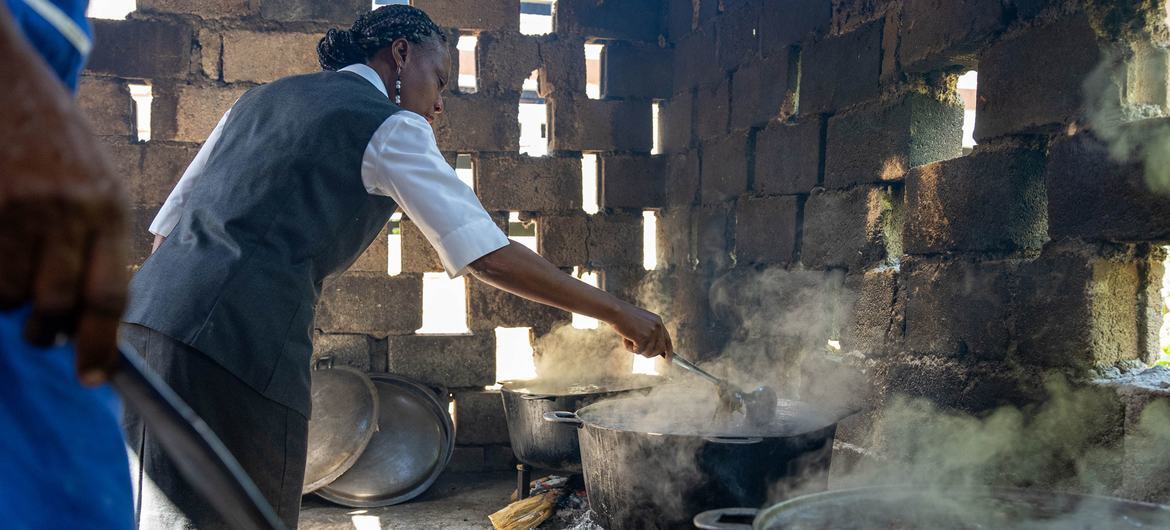
The critical step in preparing straw as a mushroom substrate is eliminating or significantly reducing competing microorganisms. This process ensures that the beneficial mushroom mycelium has the best possible chance to colonize the substrate without being outcompeted by bacteria, molds, or other fungi. Both sterilization and pasteurization achieve this goal, but they differ in their intensity and the types of organisms they target.
Understanding these differences is key to selecting the most appropriate method for your specific mushroom cultivation project. Sterilization and pasteurization are essentially methods of heat treatment. Pasteurization aims to reduce the number of spoilage organisms and pathogens to a level that allows the desired mushroom mycelium to grow, while sterilization aims to eliminate virtually all living organisms, including spores.
The choice between the two often depends on the type of mushroom being cultivated, as some species are more tolerant of competing organisms than others.
Purpose of Sterilization and Pasteurization in Mushroom Cultivation with Straw
The primary purpose of both sterilization and pasteurization is to create a competitive advantage for the mushroom mycelium. By reducing the population of undesirable microorganisms, we minimize the risk of contamination that can hinder or completely halt the growth of the cultivated mushroom species. Pasteurization selectively targets thermophilic (heat-loving) bacteria and other organisms that thrive at temperatures below boiling point, while leaving some beneficial bacteria that can actually aid in mushroom growth.
Sterilization, on the other hand, is a more aggressive process that aims to kill all living organisms, including heat-resistant bacterial spores, ensuring a cleaner slate for mycelial colonization. This is particularly important for substrates that are more prone to contamination or for mushrooms that are less aggressive colonizers.
Hot Water Pasteurization for Straw
Hot water pasteurization is a widely used and effective method for preparing straw substrates. It involves immersing the straw in hot water for a specific duration to kill off competing microorganisms without eliminating all beneficial microbes. This method is generally considered safer and more accessible for home growers compared to steam sterilization. The process for hot water pasteurization typically involves the following steps:
- Prepare a large vessel, such as a stockpot or insulated cooler, capable of holding the straw and water.
- Submerge the prepared straw completely in water. Ensure there is enough water to keep the straw fully saturated.
- Heat the water to a target temperature range. The most common and effective temperature range for hot water pasteurization of straw is between 65°C and 75°C (149°F and 167°F).
- Maintain this temperature for a duration of 1 to 2 hours. Consistent temperature monitoring is crucial throughout this period.
- After the holding time, drain the water and allow the straw to cool down to ambient temperature before inoculation. It is important that the straw is not too wet after draining; it should be moist but not dripping.
Steam Sterilization of Straw
Steam sterilization is a more rigorous method that aims to eliminate all viable microorganisms, including bacterial spores. While it offers a higher level of decontamination, it also requires more specialized equipment and careful execution to ensure safety and effectiveness. Steam sterilization can be achieved through various methods, but the core principle remains the same: exposing the straw to saturated steam at a specific temperature and pressure for a set period.
- Pressure Cooker Method: This is a common method for smaller batches. Place the straw in heat-resistant bags (like autoclavable grow bags) or containers. Ensure the straw is adequately hydrated but not waterlogged. Seal the bags or containers. Place them in a pressure cooker and bring it up to pressure (typically 15 PSI, which corresponds to about 121°C or 250°F).
Maintain this pressure for 90 minutes to 2 hours, depending on the volume and density of the straw. Allow the pressure cooker to cool down completely before opening.
- Steam Chamber Method: For larger operations, a dedicated steam chamber or retort can be used. This involves introducing steam into a sealed chamber where the straw is placed. The chamber is maintained at a temperature of at least 70°C (158°F) for a minimum of 30 minutes, but often longer (e.g., 2-3 hours) to ensure complete sterilization.
Safety precautions are paramount when working with steam sterilization. Always follow the manufacturer’s instructions for your pressure cooker or steam chamber. Ensure proper ventilation and wear appropriate personal protective equipment, such as heat-resistant gloves and eye protection, to prevent burns.
Comparison of Pasteurization Versus Sterilization Outcomes for Straw Substrates
The choice between pasteurization and sterilization for straw substrates leads to different outcomes regarding the microbial environment available for mushroom colonization. Each method has its advantages and disadvantages depending on the cultivation goals and the specific mushroom species.
Pasteurization:
- Outcome: Pasteurization significantly reduces the population of competing microorganisms, particularly thermophilic bacteria, but leaves a more diverse microbial community, including some beneficial bacteria. This can be advantageous for certain mushroom species that benefit from a slightly less sterile environment.
- Advantages: Less risk of damaging beneficial microbes, generally easier to perform with basic equipment, lower energy consumption.
- Disadvantages: Higher risk of contamination if not performed correctly or if the substrate is exposed to contaminants post-pasteurization.
Sterilization:
- Outcome: Sterilization aims to eliminate virtually all microorganisms, including heat-resistant spores. This creates a highly sterile environment, ideal for mushrooms that require a very clean substrate or are less aggressive colonizers.
- Advantages: Significantly reduces the risk of contamination, providing a clean slate for mycelial growth.
- Disadvantages: Can be more energy-intensive and requires specialized equipment (like a pressure cooker). It can also eliminate beneficial microbes that some mushroom species might benefit from.
For many common mushroom species like oyster mushrooms (Pleurotus spp.) grown on straw, hot water pasteurization is often sufficient and preferred due to its simplicity and effectiveness. However, for more sensitive species or in environments with a higher risk of contamination, steam sterilization might be a better choice.
Procedure for Checking the Efficacy of Pasteurization/Sterilization
Verifying that your pasteurization or sterilization process has been effective is crucial for successful mushroom cultivation. A contaminated substrate can lead to significant losses. While direct microbial testing is complex, there are practical methods to assess the efficacy of your treatment. A simple and effective way to check for efficacy involves observing the substrate after a period of incubation without inoculation.
This is often referred to as a “control” or “blank” test.
- After pasteurizing or sterilizing your straw, fill a few clean containers or bags with the treated substrate.
- Seal these containers or bags properly to prevent external contamination.
- Incubate these containers under the same conditions that you would typically use for mushroom colonization (e.g., at room temperature, in the dark).
- Observe these control samples daily for a period of 7 to 14 days.
If the pasteurization or sterilization was effective, these control samples should remain clean, showing no signs of mold growth, bacterial slime, or other unwanted microbial activity. If you observe any contamination in these control samples, it indicates that the treatment was insufficient, and the process needs to be repeated or adjusted. For example, if you see green or black mold appearing in your control samples, it suggests that not enough competing organisms were eliminated during the heat treatment.
Similarly, a sour or foul smell emanating from the control samples indicates bacterial contamination. This visual and olfactory inspection serves as a reliable indicator of the treatment’s success.
Hydration and Supplementation of Prepared Straw
Once your straw has undergone sterilization or pasteurization, the next critical steps involve ensuring it has the optimal moisture content and, for many species, incorporating supplements to boost nutrient availability and ultimately, mushroom yields. This stage transforms the prepared straw from a sterile medium into a rich food source ready for mycelial colonization.
Achieving and Maintaining Proper Moisture Content
The moisture level of your straw substrate is paramount for successful mushroom cultivation. Too dry, and the mycelium will struggle to colonize and produce fruits. Too wet, and you risk anaerobic conditions, which can lead to contamination and hinder growth. The ideal moisture content for most mushroom species grown on straw is between 60-70%.
To achieve this, you can use a simple squeeze test. Grab a handful of the prepared straw and squeeze it firmly. A few drops of water should fall from your hand, and the straw should hold its shape loosely when you open your hand. If water streams out, it’s too wet. If it crumbles apart, it’s too dry.
Methods for hydration include:
- Soaking: After pasteurization, you can allow the straw to soak in cool water for a period to reach the desired hydration level. Drain thoroughly before use.
- Adding Water Directly: If the straw is slightly dry after pasteurization, you can gradually add clean, cool water while mixing thoroughly until the desired moisture content is achieved.
- Using a Spray Bottle: For minor adjustments or to maintain moisture during colonization, a spray bottle with clean water can be used to lightly mist the substrate surface.
Maintaining moisture during incubation is crucial. This is often achieved by sealing the substrate in permeable bags or containers that allow for gas exchange but minimize water loss. For longer incubation periods, occasional misting of the exterior of the bag or container might be necessary, ensuring no direct water enters the substrate.
Common Supplements for Straw Substrates
While some mushroom species can colonize and fruit on straw alone, most commercial and hobbyist growers enhance straw substrates with nutrient-rich supplements. These supplements provide essential nitrogen and carbohydrates that accelerate mycelial growth and increase the biomass available for fruiting, leading to larger and more numerous mushrooms.
The most commonly used supplements for straw-based substrates include:
- Bran (Wheat, Rice, or Oat): Bran is an excellent source of carbohydrates and nitrogen. Wheat bran is particularly popular due to its availability and balanced nutrient profile. It helps to break down the cellulose and lignin in straw, making nutrients more accessible to the mycelium.
- Gypsum (Calcium Sulfate): Gypsum acts as a pH buffer and a source of calcium and sulfur. It helps to prevent the substrate from clumping, improving aeration and drainage, which are vital for healthy mycelial growth. It also aids in flocculation, preventing the fine particles from becoming too sticky.
- Other Supplements: Depending on the mushroom species and desired results, other supplements like sawdust, coffee grounds, or even horse manure can be incorporated in specific ratios. However, for a basic straw substrate, bran and gypsum are the most common and effective.
Basic Straw Substrate Recipe with Supplement Ratios
This recipe is a foundational guideline for creating a nutrient-rich straw substrate suitable for a wide range of common mushroom species, such as oyster mushrooms (Pleurotus spp.) and shiitake (Lentinula edodes). The ratios are provided by dry weight before hydration.
A typical recipe for a basic straw substrate is as follows:
- Straw: 100 parts (by dry weight)
- Wheat Bran: 10-20 parts (by dry weight)
- Gypsum: 1-2 parts (by dry weight)
Example: For a batch using 1 kg of dry straw, you would add 100-200 grams of wheat bran and 10-20 grams of gypsum.
The exact ratios can be adjusted based on the specific mushroom species and your experience. For instance, species that are more aggressive colonizers might tolerate higher supplement levels, while more delicate species may prefer lower ratios.
Impact of pH Levels on Straw Substrate and Adjustment
The pH level of your mushroom substrate plays a significant role in mycelial health and the prevention of competing microorganisms. Most mushroom mycelium thrives in a slightly acidic to neutral pH range, typically between 5.0 and 7.0. Deviations from this range can inhibit growth or favor the proliferation of contaminants.
Straw itself tends to be slightly acidic. The addition of supplements can alter the pH. For example, some organic supplements can lower the pH, while others might raise it. Gypsum, as mentioned, helps to stabilize the pH and acts as a buffer.
Measuring pH is best done with a pH meter or pH test strips. If your substrate is too acidic (pH below 5.0), you can raise it by adding a small amount of calcium carbonate (lime). If it’s too alkaline (pH above 7.0), you can lower it by adding a small amount of vinegar or a mild acid, though this is less common with straw substrates.
The ideal pH range for most mushroom cultivation is 5.0 to 7.0.
It is important to add any pH adjusters gradually and mix thoroughly, re-testing the pH until the desired level is achieved. Over-adjustment can be detrimental.
Thorough Mixing of Supplements into the Straw Substrate
Achieving uniform distribution of supplements throughout the straw is crucial for consistent colonization and nutrient availability. Clumps of supplements can lead to uneven growth, potential contamination hot spots, and reduced overall yield.
A systematic approach to mixing ensures that every strand of straw has access to the nutrients provided by the supplements.
Here is a guide on how to mix supplements thoroughly:
- Pre-mix Dry Ingredients: In a separate container, thoroughly mix the dry supplements (bran, gypsum, etc.) together. This ensures that the supplements are evenly distributed amongst themselves before being added to the straw.
- Layering and Mixing: If you are hydrating the straw first, drain it to the correct moisture level. Then, add the straw and the pre-mixed dry supplements in layers into your mixing container (e.g., a large tub or clean wheelbarrow).
- Manual Mixing: Use clean hands or a large shovel to thoroughly mix the straw and supplements. The goal is to break apart any clumps of straw and ensure the supplements are evenly dispersed. Continue mixing until no streaks of pure supplement are visible and the color of the mixture is uniform.
- Mechanical Mixing (Optional): For larger batches, a cement mixer or a dedicated substrate mixer can be used. Ensure the mixer is thoroughly cleaned and sanitized before use. Mix for several minutes to achieve optimal distribution.
- Post-Hydration Mixing: If you are adding water to dry, pasteurized straw, add the dry supplements after the straw has reached its initial moisture level. Mix thoroughly as described above to ensure the supplements are evenly distributed throughout the damp straw.
The key is to be patient and meticulous. Proper mixing will significantly contribute to the success of your mushroom cultivation.
Inoculation and Incubation of Straw Substrate

The successful cultivation of mushrooms hinges on the careful introduction of mushroom spawn to the prepared straw substrate and providing the optimal environment for colonization. This stage is critical for establishing a healthy mycelial network, which will eventually lead to mushroom fruiting. Precision and attention to detail during inoculation and incubation significantly reduce the risk of contamination and promote vigorous growth.Introducing mushroom spawn to the prepared straw substrate is the foundational step in this process.
This is where the living organism, the mushroom mycelium, begins its colonization of the nutrient-rich straw. The goal is to distribute the spawn evenly throughout the substrate, creating numerous points of entry for the mycelium to spread.
Mushroom Spawn Introduction Techniques
Various methods can be employed to inoculate straw substrate, each with its advantages in terms of efficiency and contamination control. The choice of technique often depends on the scale of cultivation and the type of spawn used.
- Layering Method: This involves alternating layers of pasteurized/sterilized straw and mushroom spawn within a grow bag or container. For example, a layer of straw is placed at the bottom, followed by a layer of spawn, then more straw, and so on, until the container is filled. The top layer should ideally be spawn to encourage surface colonization.
- Mixing Method: In this technique, the mushroom spawn is thoroughly mixed with the prepared straw substrate. This method ensures a more uniform distribution of spawn throughout the entire volume of the substrate, potentially leading to faster colonization. This is often done in a clean environment, such as a laminar flow hood or a still air box, to minimize airborne contaminants.
- Grain Spawn Application: If using grain spawn, it is typically broken up into individual grains before being introduced to the substrate. This increases the surface area of the spawn, allowing for quicker spread. The grain spawn is then either layered or mixed with the straw, similar to the methods described above.
Best Practices for Inoculation to Minimize Contamination
Preventing contamination is paramount during the inoculation process. Even a small introduction of unwanted microorganisms can outcompete the mushroom mycelium, leading to a failed harvest. Implementing these practices will significantly improve your success rate.
- Sterile or Clean Environment: Always inoculate in a clean space. A laminar flow hood is ideal for commercial or large-scale operations. For home growers, a still air box (SAB) or a meticulously cleaned room with minimal air movement can suffice. Disinfect all surfaces, tools, and your hands thoroughly before beginning.
- Use High-Quality Spawn: Ensure your mushroom spawn is healthy, vigorous, and free from visible signs of contamination. Purchase from reputable suppliers.
- Minimize Exposure Time: The less time the substrate and spawn are exposed to the open air, the lower the risk of contamination. Work efficiently and quickly.
- Proper Sealing: Once inoculated, seal grow bags or containers promptly and securely. This creates a barrier against contaminants while allowing for gas exchange if needed (e.g., through filter patches).
- Appropriate Spawn Rate: Using the correct spawn rate is crucial. Too little spawn may lead to slow colonization and increased contamination risk, while too much can be uneconomical. A common spawn rate for straw substrates is between 5% and 10% by wet weight.
Ideal Environmental Conditions for Incubation
After inoculation, the colonized straw substrate needs a specific environment to allow the mycelium to grow and spread. This period, known as incubation, is characterized by stable temperature, humidity, and darkness.
| Parameter | Ideal Range | Notes |
|---|---|---|
| Temperature | 21-27°C (70-80°F) | This range promotes rapid mycelial growth for most common mushroom species. Deviations can slow growth or encourage contaminants. |
| Humidity | 90-95% | High humidity is crucial to prevent the substrate from drying out, which can hinder mycelial growth. This is often maintained within sealed grow bags. |
| Light | Darkness | Mycelium does not require light for colonization. In fact, light can sometimes encourage premature pinning or stress the mycelium. |
| Air Exchange (FAE) | Minimal to None | During the initial colonization phase, minimal fresh air exchange is preferred. Once colonization is complete, increased FAE will be necessary for fruiting. |
Troubleshooting Common Issues During Straw Substrate Incubation
Incubation is not always a smooth process, and growers may encounter challenges. Understanding these common issues and their potential solutions can help salvage a grow.
- Slow or Stalled Colonization: This can be due to insufficient spawn rate, improper hydration of the substrate, low incubation temperature, or contamination. Ensure all previous steps were followed correctly.
- Visible Contamination: The appearance of mold (e.g., green, black, or pink fuzzy patches) or bacterial slime indicates contamination. Affected substrates should generally be discarded to prevent spreading to other cultures.
- Drying Out of Substrate: If the grow bag or container is not sealed properly, the substrate can lose moisture. This will halt mycelial growth. If caught early, it may be possible to rehydrate, but this increases contamination risk.
- Unpleasant Odors: Foul or sour smells often indicate bacterial contamination. This is a strong sign that the substrate is compromised.
Visual Indicators of Successful Straw Substrate Colonization
Observing the substrate is the primary way to determine if colonization is progressing well. Healthy mycelial growth has distinct visual characteristics.
- White, Fuzzy Growth: The most obvious sign is the appearance of white, cottony, or fuzzy growth spreading throughout the straw. This is the vegetative part of the mushroom fungus.
- Even Distribution: The white mycelium should gradually cover the entire substrate, indicating that the spawn has successfully spread.
- Firmness: As colonization progresses, the substrate will become more consolidated and firm due to the dense network of mycelial threads binding the straw together.
- Absence of Green, Black, or Colored Molds: A properly colonized substrate will be predominantly white. The presence of other colors, especially vibrant greens, blacks, or blues, usually signifies contamination.
- Slight Odor: A healthy, colonizing substrate typically has a mild, earthy, or mushroomy smell. A strong, sour, or rotten odor is a red flag.
Fruiting and Harvesting from Straw Substrates
Once your straw substrate has been successfully inoculated and incubated, the next exciting phase is the transition to fruiting. This stage involves creating an environment that mimics the natural conditions mushrooms need to develop and mature. Careful management of humidity, light, and air exchange is crucial for a bountiful harvest.The transition from the vegetative mycelial growth during incubation to the reproductive fruiting stage is triggered by changes in environmental conditions.
These changes signal to the mycelium that it is time to produce mushrooms. Understanding these triggers and how to manipulate them is key to successful fruiting.
Transitioning to Fruiting Conditions
After the mycelium has fully colonized the straw substrate, indicated by a dense white growth throughout the material, it is ready to be exposed to fruiting conditions. This typically involves moving the colonized substrate from a dark, warm incubation environment to a brighter, cooler area with increased humidity and fresh air exchange. The sudden change in environmental cues prompts the mycelium to shift its energy from colonization to fruiting.
Creating Suitable Fruiting Conditions
Establishing the correct fruiting environment is paramount for encouraging mushroom development. This involves carefully controlling several key environmental factors to create an optimal microclimate.
Humidity Management
Maintaining high humidity is critical for mushroom development, as mushrooms are composed of a large percentage of water and can easily dry out. Low humidity can lead to stunted growth, cracking, and poor yields.
- Target Humidity Levels: Most mushroom species require humidity levels between 85% and 95% during the fruiting stage.
- Methods for Increasing Humidity:
- Misting: Regularly misting the substrate surface and the fruiting chamber walls with a fine mist of clean water is a common practice. The frequency of misting will depend on the ambient humidity and airflow.
- Perlite or Vermiculite Beds: Some growers create humidity trays by filling the bottom of their fruiting chamber with perlite or vermiculite, keeping it saturated with water. This allows for passive evaporation, maintaining high humidity.
- Humidifiers: For larger operations or in very dry climates, ultrasonic or evaporative humidifiers can be used to automatically maintain desired humidity levels.
- Monitoring Humidity: A hygrometer is an essential tool for accurately measuring and monitoring humidity levels within the fruiting environment.
Light Requirements
While mushrooms do not photosynthesize like plants, they do require light to signal the direction of growth and to trigger fruiting for many species. The type and intensity of light needed vary depending on the mushroom species.
- Light Intensity: Most common edible mushrooms, such as oyster mushrooms and shiitake, benefit from indirect, ambient light. Direct sunlight should be avoided as it can overheat and dry out the substrate.
- Light Sources: Natural indirect light from a window or artificial light sources like fluorescent or LED grow lights are suitable. The light should be on for approximately 12 hours a day.
- Role of Light: Light acts as a signal for the mycelium to initiate the formation of primordia, which are the initial stages of mushroom development.
Fresh Air Exchange (FAE)
Mushrooms respire, consuming oxygen and releasing carbon dioxide. During incubation, high levels of CO2 are tolerated and even beneficial for colonization. However, during fruiting, adequate fresh air exchange is necessary to remove excess CO2 and provide oxygen. High CO2 levels during fruiting can lead to leggy, deformed mushrooms.
- Importance of FAE: Sufficient airflow prevents the buildup of CO2 and helps to regulate temperature and humidity by promoting evaporation.
- Methods for FAE:
- Opening the Fruiting Chamber: Regularly opening the lid or vents of your fruiting chamber to allow stale air to escape and fresh air to enter is a basic method.
- Fans: In larger setups, small, low-speed fans can be used to gently circulate air, ensuring adequate FAE without drying out the substrate.
- Polypropylene Bags: If fruiting from colonized polypropylene bags, small slits or holes can be made to allow for passive air exchange.
Encouraging Mushroom Formation and Pinning
Pinning refers to the initial formation of tiny mushroom buds, also known as primordia. Several factors can influence the successful development of pins on straw substrates.
- Environmental Triggers: The combination of increased fresh air, a slight drop in temperature (depending on species), and increased humidity are the primary triggers for pinning.
- Physical Stimulation: For some species, a light misting or even a gentle tap on the substrate can sometimes encourage pinning.
- Substrate Preparation: A well-hydrated and fully colonized substrate is more likely to produce abundant pins. Any areas of dry or uncolonized straw may result in reduced or no pinning.
- Species-Specific Needs: Different mushroom species have varying requirements for pinning. Researching the specific needs of the mushroom you are cultivating is highly recommended.
Harvesting Mushrooms from Straw
Harvesting at the right time is crucial for obtaining the best quality and yield of mushrooms. Harvesting too early can result in smaller mushrooms, while harvesting too late can lead to spore release, a decline in texture, and a shorter shelf life.
- Signs of Readiness:
- Oyster Mushrooms: Harvest when the edges of the caps begin to flatten out, but before they start to curl upwards significantly. The cluster should be firm and the individual mushrooms should feel plump.
- Shiitake Mushrooms: Harvest when the cap has fully opened but the edges are still slightly curled inwards. The veil underneath the cap may have broken or be about to break.
- Other Species: Generally, mushrooms are ready for harvest when they have reached a desirable size and before they start to spore heavily or become soft.
- Harvesting Techniques:
- Twisting and Pulling: Gently twist the mushroom at its base and pull it away from the substrate. This method minimizes damage to the substrate and can encourage subsequent flushes.
- Cutting: For some species or if the base is difficult to twist, a clean, sharp knife or scissors can be used to cut the mushroom stem as close to the substrate as possible.
- Harvesting Clusters: For mushrooms that grow in clusters, harvest the entire cluster at once when the majority of the mushrooms are ready.
- Post-Harvest Handling: After harvesting, clean any loose substrate from the mushrooms and store them in a breathable container in the refrigerator.
Signs of a Spent Straw Substrate
A straw substrate will eventually become depleted of nutrients and its ability to support mushroom growth will cease. Recognizing these signs helps in determining when to discontinue fruiting attempts and prepare new substrates.
- Reduced or No New Pinning: If you have provided optimal fruiting conditions for an extended period and no new pins are forming, the substrate may be spent.
- Decline in Yield: Subsequent flushes of mushrooms will naturally be smaller and less abundant than the first flush. A significant and persistent decline in yield across multiple attempts indicates depletion.
- Contamination: The presence of green, black, or pink molds, or bacterial growth, signifies contamination that renders the substrate unsafe and non-viable for mushroom cultivation.
- Physical Deterioration: The straw may appear broken down, mushy, or develop an off-putting odor.
- Lack of Mycelial Activity: If the white mycelial network is no longer visible or appears weak and unhealthy, it suggests the substrate’s resources are exhausted.
Advanced Straw Substrate Techniques and Considerations

As you delve deeper into mushroom cultivation with straw, you’ll discover that its versatility extends beyond basic preparation. Advanced techniques allow for tailored substrate formulations, enhanced yields, and extended fruiting cycles. This section explores sophisticated methods for optimizing straw-based substrates, catering to the specific needs of various mushroom species and cultivation setups.Moving beyond simple straw, many cultivators enhance their substrates by combining straw with other organic materials.
This layering or mixing approach can significantly improve the nutritional profile, water retention, and overall performance of the substrate, leading to more robust mycelial growth and increased mushroom production. Careful consideration of material ratios and preparation methods is key to unlocking these benefits.
Bulk Substrate Preparations for Specific Mushroom Species
Different mushroom species have unique substrate preferences and requirements. While many can thrive on pasteurized or sterilized straw alone, incorporating other materials can be particularly beneficial for species that are more demanding or prone to contamination. Understanding these species-specific needs allows for the creation of highly optimized bulk substrates that maximize yield and quality.For instance, oyster mushrooms (Pleurotus spp.) are famously adaptable and grow exceptionally well on straw.
However, for species like Shiitake (Lentinula edodes), which are often grown on hardwood logs in nature, supplementing straw with hardwood sawdust or wood chips can mimic their natural environment more closely, promoting vigorous colonization and fruiting. Similarly, some gourmet or medicinal mushrooms might benefit from the addition of bran, gypsum, or other nutrient-rich amendments to their straw base.
Layering Straw with Other Materials
Layering straw with complementary materials is a strategic method to create a more complex and balanced substrate. This technique can improve aeration, nutrient availability, and moisture retention, creating an ideal microenvironment for mycelial colonization and subsequent fruiting. The order and type of materials layered can be tailored to the specific mushroom species being cultivated.A common approach involves alternating layers of pasteurized or sterilized straw with layers of nutrient-rich amendments.
For example, a popular combination for many oyster mushroom varieties involves layering straw with a small percentage of soybean hull meal or wheat bran. The straw provides the bulk and structure, while the amendments offer readily available nutrients that accelerate colonization. Another effective layering strategy might involve introducing a layer of composted manure or coco coir to increase moisture-holding capacity and provide a broader spectrum of nutrients.
The key is to ensure that all added materials are properly prepared (pasteurized or sterilized) to avoid introducing contaminants.
Managing and Rehydrating Straw Substrates for Subsequent Flushes
After the initial harvest, straw-based mushroom substrates often retain significant moisture and nutrient potential, allowing for multiple fruiting cycles, known as flushes. Effective management and rehydration are crucial to maximize these subsequent yields. The process involves carefully assessing the substrate’s condition and replenishing what was lost during the previous fruiting period.The primary goals of rehydration are to restore moisture levels and, in some cases, to reintroduce nutrients or stimulate the mycelium.
For many species, simply soaking the depleted substrate block in clean water for several hours can be sufficient. The duration of the soak can vary depending on the species and the degree of dehydration. Some cultivators advocate for adding small amounts of supplements, such as a diluted nutrient solution or a sprinkle of gypsum, during the rehydration process to provide a boost for the next flush.
It’s important to drain excess water thoroughly after soaking to prevent waterlogging, which can lead to bacterial contamination and hinder further fruiting.
Comparison of Different Container Types for Growing Mushrooms on Straw
The choice of container significantly impacts the success of growing mushrooms on straw, influencing factors like moisture retention, air exchange, and ease of handling. Different container types are suited for various cultivation scales and methods, from home hobbyists to commercial operations.
- Plastic Bags: These are widely used for their affordability, availability, and ability to create a contained environment. They are ideal for pasteurized straw, as they help maintain moisture and can be easily inoculated. Filter patch bags are particularly useful for allowing gas exchange while minimizing contamination.
- Buckets with Holes: Food-grade buckets with drilled holes offer a reusable and durable option. They provide good structural integrity and can be easily managed for watering and harvesting. The size and placement of holes are critical for balancing air exchange and moisture retention.
- Grow Tents or Trays: For larger-scale operations or specific fruiting conditions, grow tents or trays can be employed. These offer more control over the environment and can accommodate larger volumes of substrate. They often require more active management of humidity and ventilation.
- Monotubs: These modified plastic storage containers are popular for their simplicity and effectiveness in creating a self-contained fruiting chamber. They typically feature modified holes or filter patches for air exchange and are excellent for both bulk substrate and smaller spawn runs.
Importance of Air Exchange in Straw-Based Mushroom Cultivation
Adequate air exchange is a fundamental requirement for healthy mushroom growth, especially in straw-based substrates. Mycelium, while growing, consumes oxygen and produces carbon dioxide. During the fruiting stage, mushrooms themselves respire, releasing more CO2 and requiring fresh oxygen. Insufficient air exchange can lead to an accumulation of CO2, which can stunt growth, cause deformities in mushrooms, and create an environment conducive to anaerobic bacteria.
Proper air exchange balances the need for fresh oxygen with the prevention of excessive moisture loss and contamination.
In straw substrates, which can retain a significant amount of moisture, managing air exchange is particularly critical. Overly humid conditions with poor ventilation can promote the growth of mold and bacteria. Conversely, excessive airflow without adequate humidity control can dry out the substrate, hindering both colonization and fruiting. Therefore, cultivators must find a balance, often achieved through the strategic use of filter patches on bags, controlled ventilation in grow rooms, or carefully managed holes in buckets and monotubs.
The specific air exchange needs can also vary depending on the stage of cultivation and the mushroom species.
Wrap-Up

As we conclude our exploration of “How to Prepare Straw as a Mushroom Substrate,” we have navigated the essential steps from understanding straw’s inherent qualities to the intricate processes of preparation, sterilization, and inoculation. The journey has equipped you with the knowledge to optimize hydration, judiciously select supplements, and manage environmental conditions for successful colonization and fruiting. This comprehensive understanding empowers you to confidently cultivate a variety of mushrooms, unlocking the full potential of straw as a substrate and ensuring bountiful harvests.