How to Use Coffee Grounds for Growing Oyster Mushrooms, this guide delves into a fascinating and sustainable method for cultivating delicious oyster mushrooms right in your own home. We will explore how this readily available byproduct can transform into a nutrient-rich substrate, offering an eco-friendly and cost-effective alternative to traditional mushroom growing mediums. Prepare to uncover the secrets to successful cultivation, from initial preparation to the final harvest.
This comprehensive exploration will cover everything you need to know, including the nutritional benefits coffee grounds offer, the crucial steps for preparing them to prevent contamination, and the ideal moisture levels for robust mycelial growth. We will also identify the best oyster mushroom species for this unique substrate and guide you through the inoculation and incubation processes, ensuring optimal conditions for your mycelium to thrive.
Furthermore, we will detail the environmental triggers for fruiting, harvesting techniques that encourage multiple yields, and visual indicators of healthy mushroom development.
Introduction to Coffee Grounds as a Mushroom Substrate
Coffee grounds, a ubiquitous byproduct of our daily caffeine ritual, possess remarkable potential as a substrate for cultivating certain mushroom species, most notably oyster mushrooms. Their unique composition offers a fertile ground for mycelial growth, making them an attractive and accessible option for both amateur and experienced growers. This section delves into why coffee grounds are so well-suited for this purpose and Artikels the foundational steps for their preparation.The suitability of coffee grounds for oyster mushroom cultivation stems from their rich nutritional profile.
They provide essential elements that fungi require for growth and fruiting. This readily available resource transforms a common waste product into a valuable input for sustainable food production, offering significant environmental and economic advantages.
Nutritional Content of Coffee Grounds for Mushroom Growth
Coffee grounds are a complex organic material, offering a balanced blend of nutrients vital for mushroom development. Their composition includes:
- Carbon: A primary energy source for fungal metabolism. Coffee grounds have a favorable carbon-to-nitrogen ratio, crucial for healthy mycelial expansion.
- Nitrogen: Essential for protein synthesis and the formation of fungal enzymes. The nitrogen content in coffee grounds supports vigorous growth.
- Minerals: Trace amounts of essential minerals like potassium, magnesium, and phosphorus contribute to the overall health and fruiting of the mushrooms.
- Moisture: Used coffee grounds retain a significant amount of moisture, which is a critical factor for mushroom cultivation as fungi thrive in humid environments.
Benefits of Using Coffee Grounds for Mushroom Growing
The advantages of incorporating coffee grounds into your mushroom cultivation practices are multifaceted, extending beyond mere cultivation to encompass sustainability and economic efficiency.
- Sustainability: Diverting coffee grounds from landfills significantly reduces waste. This aligns with circular economy principles by repurposing a common waste stream into a valuable resource.
- Cost-Effectiveness: Coffee grounds are often available for free or at a very low cost from local coffee shops, cafes, and even directly from home brewing. This dramatically lowers the initial investment compared to purchasing specialized mushroom substrates.
- Nutrient Richness: As detailed above, the inherent nutritional value of coffee grounds directly supports robust mycelial growth and substantial mushroom yields.
- Availability: The sheer volume of coffee consumed globally ensures a consistent and readily accessible supply of used coffee grounds.
General Process of Preparing Coffee Grounds for Mushroom Cultivation
While coffee grounds are a promising substrate, they require specific preparation to ensure optimal conditions for oyster mushroom colonization and to mitigate potential contaminants. The general process involves several key stages:
- Collection: Gather fresh, used coffee grounds. It is best to collect them daily or every few days to prevent spoilage and mold growth before preparation.
- Pasteurization/Sterilization: This is a crucial step to eliminate competing microorganisms, such as bacteria and molds, that could hinder mushroom growth or take over the substrate. Common methods include:
- Boiling: Submerging coffee grounds in boiling water for a specific duration can effectively pasteurize them.
- Steaming: Using a steamer or a pot with a tight-fitting lid to steam the grounds for an extended period.
- Autoclaving: For more advanced growers, an autoclave provides a highly effective sterilization method.
- Supplementation (Optional but Recommended): While coffee grounds alone can support oyster mushrooms, supplementing them with other materials can boost yields. Common supplements include straw, sawdust, or bran. These additions can improve the substrate’s structure, water retention, and nutrient balance.
- Mixing and Hydration: Once pasteurized or sterilized, the coffee grounds are typically mixed with any supplements. The moisture content is critical; the substrate should be moist but not waterlogged. A good test is to squeeze a handful; only a few drops of water should emerge.
- Inoculation: After cooling to room temperature, the prepared substrate is inoculated with mushroom spawn (grain spawn, sawdust spawn, or plug spawn of oyster mushrooms). This involves thoroughly mixing the spawn into the substrate.
- Incubation: The inoculated substrate is then placed in a suitable container (e.g., grow bags, buckets with holes) and incubated in a dark, humid environment at the recommended temperature for oyster mushroom species. During this phase, the mycelium colonizes the substrate.
“The transformation of coffee waste into a nutrient-rich medium for gourmet mushrooms exemplifies a sustainable approach to food production and waste management.”
Preparing Coffee Grounds for Oyster Mushroom Cultivation
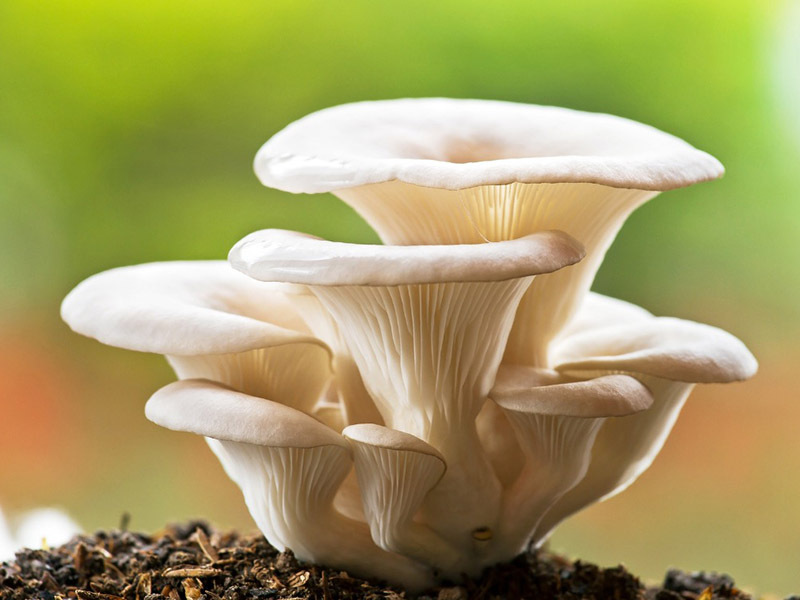
To successfully grow oyster mushrooms on coffee grounds, it’s crucial to prepare the substrate properly. This involves eliminating competing microorganisms that could hinder mycelial growth or cause contamination. Pasteurization or sterilization are the key methods to achieve this, ensuring a clean environment for your mushrooms to thrive.
The quality and preparation of your coffee grounds significantly impact the yield and health of your mushroom culture. By following specific steps for collection, storage, and treatment, you can create an optimal environment for oyster mushroom mycelium to colonize and produce abundant harvests.
Collecting and Storing Used Coffee Grounds
Proper collection and storage of used coffee grounds are the foundational steps for a successful mushroom cultivation project. This initial phase prevents the development of unwanted molds and bacteria before you even begin the sterilization or pasteurization process.
- Collection: Collect coffee grounds from your daily brewing. It’s best to use grounds from drip coffee makers or espresso machines. Avoid grounds that have been sitting out for extended periods, as they are more prone to contamination.
- Storage: Once collected, spread the coffee grounds thinly on a clean tray or baking sheet. Allow them to air dry for a day or two. This reduces the initial moisture content, making them less hospitable to contaminants. Store the dried grounds in a clean, airtight container or a breathable bag (like a cloth bag) in a cool, dry place until you are ready to prepare them for cultivation.
Avoid storing wet grounds, as this promotes rapid spoilage.
Achieving Ideal Moisture Content
Moisture content is a critical factor for mushroom mycelial growth. Too little moisture will prevent the mycelium from spreading, while too much can lead to anaerobic conditions, promoting bacterial growth and contamination. The goal is to achieve a moisture level that is consistently available to the mycelium without waterlogging the substrate.
A commonly recommended moisture content for coffee grounds used as mushroom substrate is around 50-60%. This can be assessed by the “squeeze test.” When you take a handful of prepared coffee grounds and squeeze it firmly, only a few drops of water should emerge, and the grounds should clump together without being overly soggy. If water runs freely, it’s too wet.
If it crumbles easily and no water comes out, it’s too dry.
The ideal moisture content is akin to that of a wrung-out sponge.
Sterilization vs. Pasteurization of Coffee Grounds
Both sterilization and pasteurization aim to reduce the microbial load in coffee grounds, but they differ in their intensity and effectiveness against various contaminants. The choice between them often depends on the resources available and the desired level of contamination control.
Pasteurization Methods
Pasteurization involves heating the substrate to a temperature that kills most harmful bacteria, molds, and other pathogens, but not all thermophilic organisms. This method is generally less energy-intensive than sterilization and can be effective for many mushroom species, especially when combined with a strong mycelium that can outcompete any remaining microbes.
Hot Water Bath Pasteurization:
- Mix your prepared coffee grounds with water to achieve the desired moisture content (50-60%).
- Place the moist coffee grounds into a heat-resistant bag (like a grow bag or a sturdy zip-top bag).
- Submerge the bag in a large pot of water, ensuring the bag is fully immersed.
- Heat the water to 65-75°C (149-167°F) and maintain this temperature for 60-90 minutes. Use a thermometer to monitor the water temperature accurately.
- After the heating period, carefully remove the bag and allow the coffee grounds to cool down completely to room temperature before inoculating with mushroom spawn.
Steam Pasteurization:
- Place the moist coffee grounds in a heat-resistant container or bag.
- Place this container within a larger pot or steamer, ensuring the coffee grounds are not directly in contact with boiling water.
- Cover the pot and steam for 60-90 minutes, maintaining a temperature between 65-75°C (149-167°F).
- Allow the substrate to cool completely before inoculation.
Sterilization Methods
Sterilization involves heating the substrate to a higher temperature, typically 121°C (250°F), under pressure, to eliminate virtually all living microorganisms, including bacterial spores. This offers a higher degree of contamination control, making it ideal for less aggressive mushroom species or when dealing with a higher risk of contamination.
Pressure Cooker Sterilization:
- Mix your prepared coffee grounds with water to achieve the ideal moisture content.
- Pack the moist coffee grounds into heat-resistant jars or autoclavable grow bags. Do not pack too tightly to allow for steam penetration.
- Place the jars or bags into a pressure cooker. Add a small amount of water to the bottom of the pressure cooker.
- Seal the pressure cooker and bring it up to 15 PSI (pounds per square inch).
- Maintain this pressure for 90 minutes.
- Allow the pressure cooker to cool down completely and depressurize naturally before opening. Let the substrate cool to room temperature before inoculating.
Comparison of Methods
Pasteurization is generally sufficient for many oyster mushroom strains, as they are vigorous colonizers and can often outcompete residual contaminants. It is also more accessible for home growers with limited equipment. However, it carries a slightly higher risk of contamination compared to sterilization.
Sterilization, on the other hand, provides a more sterile environment, significantly reducing the chances of contamination. This is particularly beneficial for beginners or when cultivating more sensitive mushroom species. The primary drawback is the requirement for specialized equipment like a pressure cooker, and it can be more time-consuming.
For most home cultivation of oyster mushrooms using coffee grounds, pasteurization via a hot water bath or steam is often the preferred and most practical method, offering a good balance between effectiveness and accessibility.
Oyster Mushroom Species Suitable for Coffee Grounds
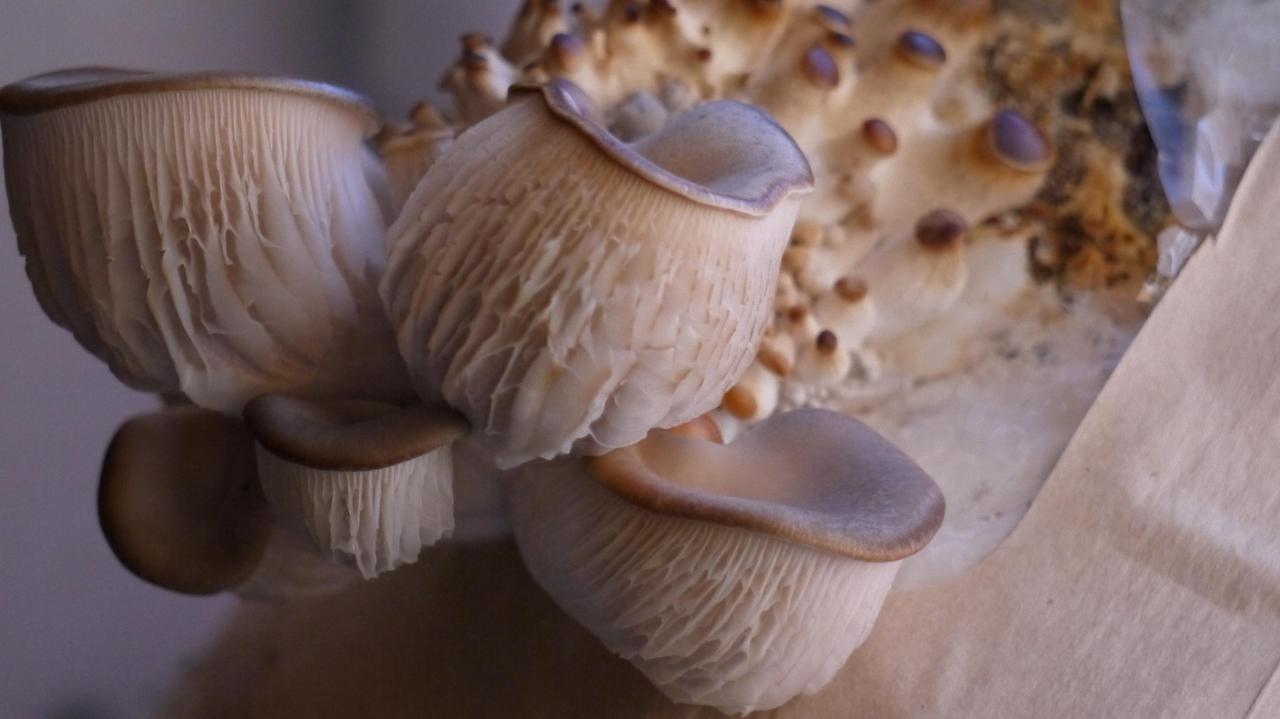
Coffee grounds, with their unique nutrient profile and texture, are an excellent substrate for growing several types of oyster mushrooms. These fungi are known for their adaptability and ability to break down a variety of organic materials. When selecting oyster mushroom species for cultivation on coffee grounds, it’s important to consider their specific growth requirements and optimal conditions to ensure a successful harvest.Certain oyster mushroom species have demonstrated a particular affinity for coffee grounds, often outperforming others in terms of yield and growth rate.
These species are generally robust and can tolerate the slightly acidic nature of coffee grounds. Understanding their preferences will significantly enhance your mushroom-growing endeavors.
Common Oyster Mushroom Species for Coffee Grounds
Several oyster mushroom varieties are well-suited for cultivation on coffee grounds. Their adaptability and willingness to colonize this substrate make them popular choices for both beginners and experienced growers.
- Pearl Oyster Mushroom (Pleurotus ostreatus): This is perhaps the most common and widely cultivated oyster mushroom. It is known for its mild flavor and versatility in cooking. Pearl oysters are relatively forgiving and can thrive on a variety of substrates, including coffee grounds, often colonizing them quickly.
- Blue Oyster Mushroom (Pleurotus ostreatus var. columbinus): A visually striking variety with bluish caps, the Blue Oyster mushroom is another excellent candidate. It shares many of the same growth characteristics as the Pearl Oyster and performs admirably on coffee grounds.
- Pink Oyster Mushroom (Pleurotus djamor): Known for its vibrant pink color and delicate, slightly sweet flavor, the Pink Oyster mushroom is a tropical variety. While it prefers warmer temperatures, it can successfully grow on coffee grounds, often yielding beautiful, fast-growing flushes.
- Golden Oyster Mushroom (Pleurotus citrinopileatus): This species boasts bright yellow caps and a pleasant, slightly fruity aroma. Golden Oysters are fast colonizers and can produce abundant yields on coffee grounds, especially in environments with moderate to high humidity.
Growth Requirements for Oyster Mushrooms on Coffee Grounds
While oyster mushrooms are generally adaptable, optimizing their growth conditions when using coffee grounds as a substrate is key to maximizing yields. Coffee grounds provide a good source of nitrogen and other nutrients, but they can also be prone to contamination if not prepared correctly.The optimal conditions will vary slightly between species, but general guidelines apply. Proper pasteurization or sterilization of the coffee grounds is crucial to eliminate competing microorganisms.
The moisture content of the substrate should be maintained at around 60-65%, ensuring it is damp but not waterlogged. Ventilation is also important to allow for gas exchange, preventing the buildup of CO2, which can inhibit fruiting.For Pearl and Blue Oyster mushrooms, a temperature range of 55-75°F (13-24°C) is generally ideal for colonization and fruiting. Pink Oyster mushrooms prefer warmer temperatures, typically between 65-85°F (18-29°C), while Golden Oyster mushrooms thrive in slightly warmer conditions, around 70-85°F (21-29°C).
All oyster mushrooms require indirect light to initiate pinning and fruiting.
Sourcing Spawn for Specific Oyster Mushroom Types
Acquiring high-quality spawn is fundamental for a successful mushroom cultivation project. Spawn is essentially the “seed” of the mushroom, containing the mycelium that will colonize the substrate and eventually produce mushrooms. For oyster mushrooms, spawn is typically available in grain spawn or sawdust spawn forms.It is advisable to source spawn from reputable suppliers who specialize in mushroom cultivation. These suppliers often offer a wide variety of strains and species, ensuring genetic purity and viability.
Purchasing spawn from established vendors minimizes the risk of introducing contaminants or receiving misidentified species.
- Online Mushroom Supply Stores: Numerous online retailers specialize in selling mushroom spawn. These stores often have detailed descriptions of their available species, including their growth characteristics and preferred substrates.
- Local Mycology Groups or Clubs: Connecting with local mushroom enthusiasts or mycology clubs can be an excellent way to find reliable spawn sources. Members may share or sell spawn from their own successful cultivations.
- Specialty Agricultural Suppliers: Some agricultural supply companies that cater to organic farming or permaculture may also carry mushroom spawn.
When ordering spawn, ensure you are selecting the specific oyster mushroom species you intend to grow. For instance, if you are aiming to cultivate Pink Oyster mushrooms, confirm that the spawn you purchase is indeedPleurotus djamor*. Reputable suppliers will clearly label their products, and it is always a good practice to read customer reviews or inquire about their quality control measures.
Inoculation and Incubation of Coffee Ground Substrate
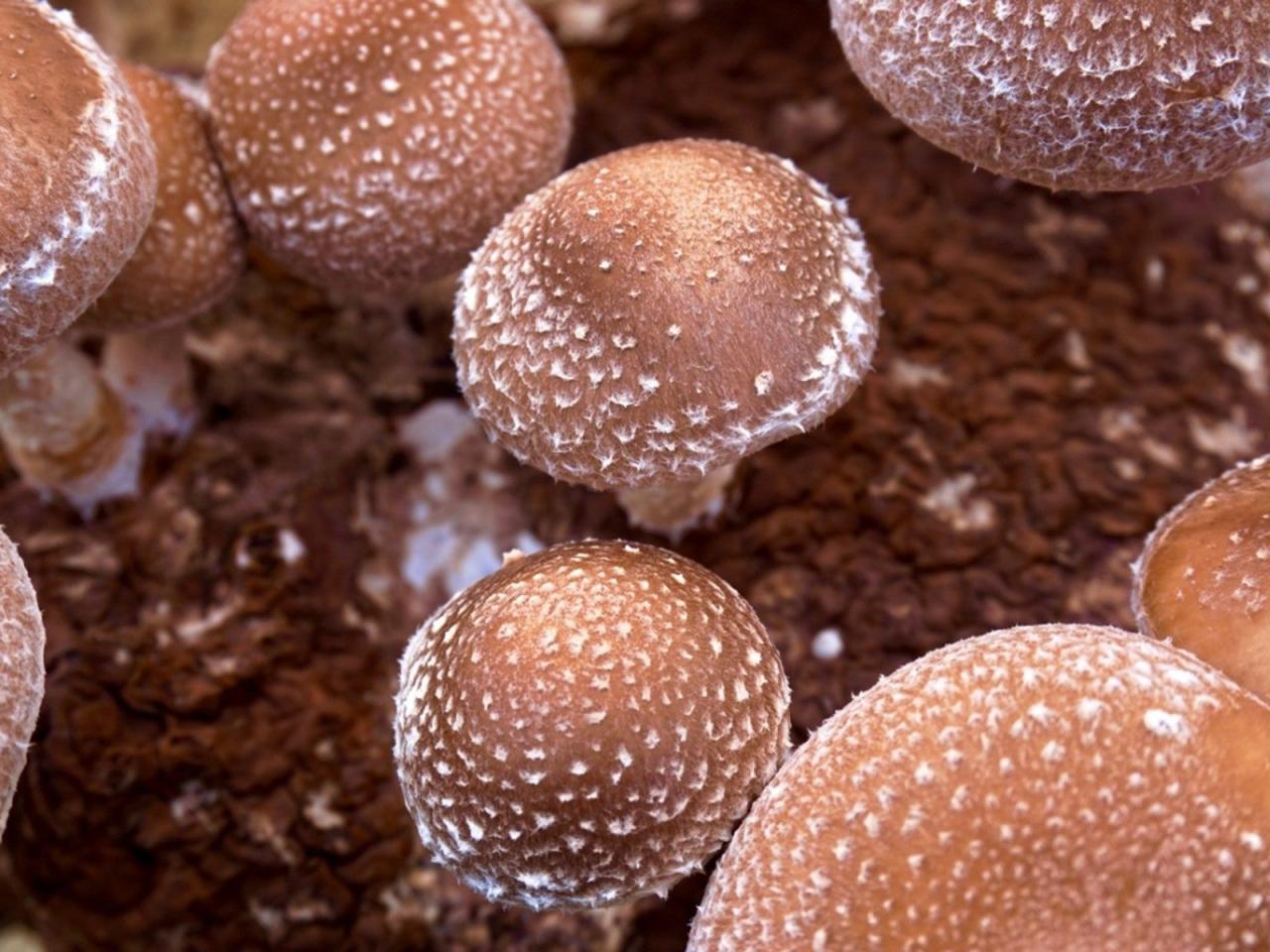
Once your coffee grounds have been prepared and are ready, the next crucial step is to introduce the oyster mushroom spawn. This process, known as inoculation, is where the magic of mushroom cultivation truly begins. Following inoculation, the substrate needs a controlled environment for the mycelium, the vegetative part of the fungus, to grow and colonize the coffee grounds. This incubation period is vital for establishing a healthy and vigorous mushroom crop.
Inoculation is the process of introducing living mushroom mycelium, known as spawn, into the prepared substrate. This spawn acts as the “seed” for your mushroom garden. The goal is to distribute the spawn evenly throughout the coffee grounds to ensure consistent and efficient colonization.
Demonstrating the Process of Inoculating Prepared Coffee Grounds
Inoculation is a delicate process that requires a sterile environment to prevent contamination from competing molds and bacteria. The spawn, which can be grain-based, sawdust-based, or plug spawn, needs to be mixed thoroughly with the cooled, hydrated coffee grounds. For grain spawn, this typically involves breaking up the grain and distributing it evenly. For sawdust spawn, a similar mixing process is employed.
The ratio of spawn to substrate is important; a common starting point is a 1:10 to 1:5 ratio of spawn to substrate by weight, though this can vary depending on the spawn provider and desired colonization speed.
Optimal Conditions for Incubation of Coffee Ground Substrates
The incubation phase is critical for the mycelium to establish itself within the coffee grounds. During this period, the substrate needs specific environmental conditions to thrive. These conditions are designed to encourage mycelial growth while inhibiting the development of contaminants. Maintaining these parameters consistently will significantly increase your chances of a successful harvest.
Temperature Requirements
The ideal temperature range for incubating most oyster mushroom species on coffee grounds is generally between 21-24°C (70-75°F). Some species may tolerate slightly cooler or warmer temperatures, but significant deviations can slow down or halt mycelial growth. Consistent temperature is more important than precise figures within the optimal range. Fluctuations can stress the mycelium and make it more susceptible to contamination.
Humidity Requirements
While the substrate itself provides moisture, the surrounding air during incubation also plays a role. A high humidity environment, typically between 90-95%, is beneficial for mycelial growth. This can be achieved by placing the inoculated substrate in a sealed container, such as a plastic tub or a grow bag, which traps the moisture released by the substrate. It’s important to ensure adequate air exchange, even in a humid environment, to prevent the buildup of CO2, which can hinder growth.
Light Requirements
During the incubation phase, oyster mushroom mycelium does not require light. In fact, it is often best to keep the substrate in complete darkness. Light can sometimes trigger premature fruiting or stress the mycelium. Once you observe significant colonization, you can begin to introduce indirect light, but direct sunlight should be avoided at all times.
Visual Cues During Mycelial Colonization
Observing the progress of mycelial colonization is key to understanding when your substrate is ready for fruiting. The appearance of the substrate will change as the mycelium grows and spreads. Recognizing these visual cues allows you to monitor the health of your mushroom culture and identify potential issues early on.
- White, Fuzzy Growth: The most common and desirable visual cue is the appearance of white, fluffy, or cottony growth spreading across the coffee grounds. This is the mycelium.
- Even Spread: Healthy colonization will show the white mycelium gradually covering the entire surface of the substrate, indicating it is actively growing and consuming the nutrients.
- Possible Speckling: In some cases, you might see small, dark specks within the white growth. These are often the beginnings of primordia (pinheads), which are tiny mushroom beginnings.
- Contamination Indicators: Be vigilant for any signs of contamination. These can include patches of green, black, pink, or orange mold, or a sour or foul smell emanating from the substrate. These are clear indicators that the substrate has been compromised and should be discarded.
Step-by-Step Procedure for Inoculating a Small Batch of Coffee Grounds
To provide a practical guide, here is a straightforward procedure for inoculating a small batch of coffee grounds. This method emphasizes cleanliness and thoroughness to maximize your success rate. It’s always advisable to work in a clean area, perhaps with a rubbing alcohol-cleaned surface, and wash your hands thoroughly before beginning.
- Gather Your Materials: You will need your prepared and cooled coffee grounds, oyster mushroom spawn (e.g., grain spawn), a clean container (like a food-grade plastic tub or a large glass jar), and sterile gloves or a clean spoon for mixing.
- Prepare the Spawn: If using grain spawn, gently break up any clumps to ensure individual grains are separated. This helps in distributing the spawn more evenly.
- Combine Spawn and Substrate: Open your container of coffee grounds. Add the oyster mushroom spawn to the grounds. A common starting ratio is about 1 part spawn to 5-10 parts substrate by weight. For example, if you have 500 grams of coffee grounds, you might add 50-100 grams of spawn.
- Mix Thoroughly: Using your clean hands (with gloves) or a sterile spoon, gently but thoroughly mix the spawn into the coffee grounds. Ensure the spawn is distributed as evenly as possible throughout the substrate. The goal is to have spawn pieces interspersed with the coffee grounds.
- Pack the Container: Transfer the inoculated mixture into your chosen growing container. You can loosely pack it down, but avoid compacting it too tightly, as this can impede air exchange and mycelial growth. Leave some headspace at the top.
- Seal and Incubate: Seal the container. If using a tub, a lid with some holes poked in it or a loosely fitted lid can allow for minimal air exchange. For grow bags, seal them according to the manufacturer’s instructions, ensuring some micropore tape or a filter patch is in place. Place the container in a dark location with a stable temperature between 21-24°C (70-75°F).
- Monitor for Colonization: Check the container every few days. You should begin to see white, fuzzy mycelial growth appearing within a week to ten days, gradually spreading through the coffee grounds.
Fruiting and Harvesting Oyster Mushrooms from Coffee Grounds
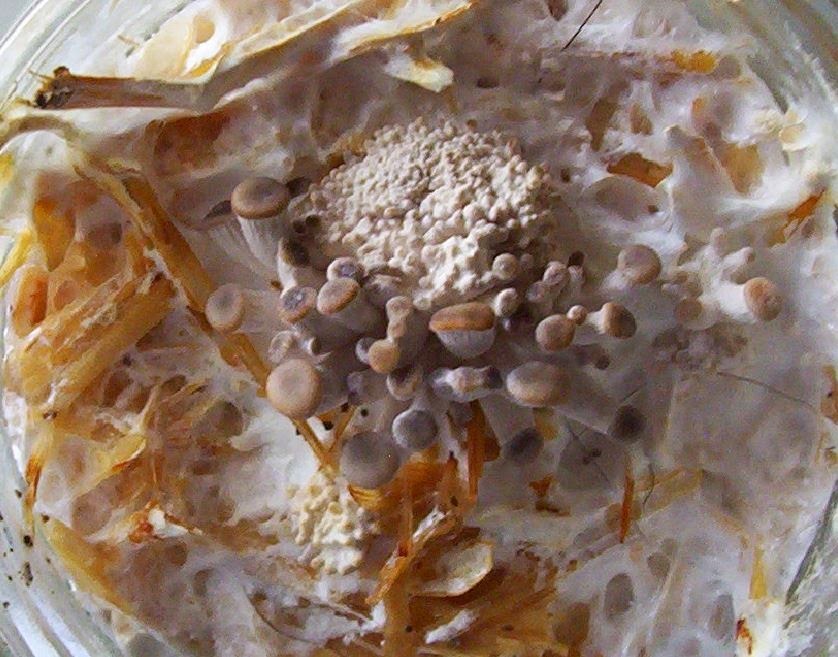
Once your coffee ground substrate has been fully colonized by the oyster mushroom mycelium, the next exciting stage is to initiate fruiting. This involves providing the right environmental cues to encourage the mycelium to develop into the delicious mushrooms we aim to harvest. Careful attention to humidity, fresh air exchange, and light will lead to successful fruiting.
Environmental Triggers for Fruiting
The transition from incubation to fruiting requires a shift in environmental conditions that mimic the natural world. These changes signal to the mycelium that it’s time to produce mushrooms.
- Temperature Drop: Many oyster mushroom species require a slight drop in temperature to initiate pinning, the formation of tiny mushroom primordia. For most common oyster varieties, a temperature between 50-70°F (10-21°C) is ideal for initiating fruiting, following a warmer incubation period.
- Increased Humidity: High humidity is crucial for mushroom development. Mycelium needs a moist environment to form pins and grow mushrooms. Aim for relative humidity levels between 85-95%.
- Introduction of Fresh Air Exchange (FAE): While mycelium thrives in CO2-rich environments during colonization, fruiting mushrooms require a constant supply of fresh oxygen and the removal of excess carbon dioxide. Insufficient FAE can lead to leggy, underdeveloped mushrooms.
- Light Exposure: While not a primary driver for fruiting initiation in the same way as temperature or humidity, light plays a role in directing mushroom growth and development. Indirect, ambient light is sufficient; direct sunlight should be avoided.
Maintaining Ideal Humidity and Fresh Air Exchange
Achieving and maintaining the correct balance of humidity and FAE is key to robust mushroom growth. This often involves a combination of passive and active techniques.
Humidity can be managed through various methods. Misting the substrate and the inside of your fruiting chamber with clean water several times a day is a common practice. For larger setups, a humidifier can be used. It’s important to mist the air around the mushrooms rather than directly onto developing pins, which can cause them to abort. The fruiting chamber itself should be designed to retain moisture, such as using a plastic tote with holes or a dedicated grow tent.
Fresh air exchange is equally important. In simple setups like a tote, holes drilled into the sides allow for passive air exchange. For more active control, a small fan can be used to periodically introduce fresh air into the fruiting environment. The frequency and duration of FAE will depend on the size of your grow space and the density of your substrate blocks.
Observing the mushrooms is the best indicator; if they appear leggy and have long stems with small caps, it suggests insufficient FAE.
Identifying Readiness for Harvest
Knowing when your oyster mushrooms are ready to be picked ensures you get the best flavor and texture. Harvesting at the right time also encourages the substrate to produce subsequent flushes of mushrooms.
Oyster mushrooms are typically ready for harvest when their caps begin to flatten out but before they start to curl upwards or drop spores. The edges of the caps should still be slightly in-rolled, indicating they are plump and full of moisture. If you see a significant amount of white powder (spores) falling from the gills, they are past their prime and may be slightly less flavorful.
Harvesting Techniques for Subsequent Flushes
The way you harvest your mushrooms significantly impacts the potential for future harvests, known as flushes. A clean and decisive harvest encourages the mycelium to rest and then regrow.
To harvest, grasp the entire cluster of mushrooms firmly at the base. With a gentle but firm twisting motion, detach the cluster from the substrate. Alternatively, a clean knife or scissors can be used to cut the cluster at the base, ensuring you remove as much of the mushroom stem as possible. It is crucial to remove the entire mushroom cluster to prevent rot from developing on the remaining stem, which can inhibit future growth.
After harvesting, you can rehydrate the substrate block by soaking it in clean water for a few hours or overnight. This replenishes the moisture content and can stimulate the mycelium to produce another flush of mushrooms within one to three weeks, depending on the species and environmental conditions.
Visual Description of Healthy Oyster Mushrooms on Coffee Grounds
Healthy oyster mushrooms grown on coffee grounds exhibit vibrant colors and desirable shapes, indicating a successful cultivation process.
When growing on a coffee ground substrate, healthy oyster mushrooms typically appear as dense clusters of fan-shaped or oyster-shaped caps. The color varies depending on the species: white or pale grey for pearl oyster mushrooms, vibrant yellow for yellow oyster mushrooms, and shades of pink for pink oyster mushrooms. The caps are generally smooth and have a velvety texture when young, becoming slightly more translucent as they mature.
The gills on the underside of the cap are typically white and evenly spaced. The stems are usually short and thick, often connecting multiple mushrooms within a cluster. The overall appearance is one of plumpness and vitality, with no signs of browning, sliminess, or discoloration, which would indicate spoilage or contamination.
Potential Challenges and Troubleshooting
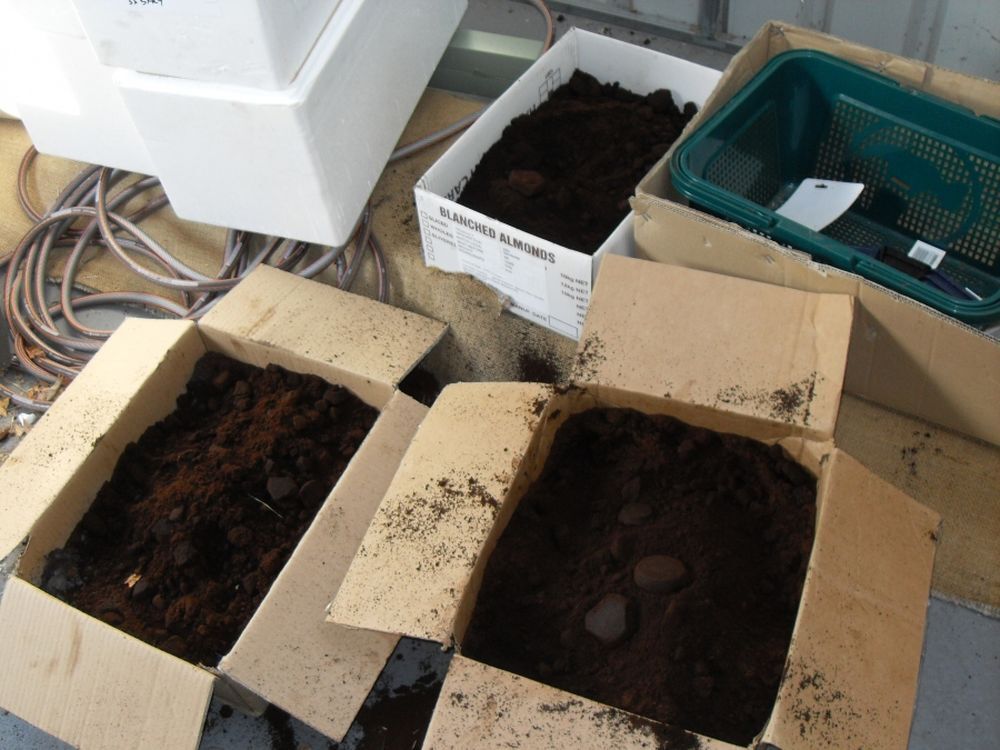
Embarking on oyster mushroom cultivation with coffee grounds is a rewarding endeavor, but like any biological process, it can present unique challenges. Understanding these potential hurdles and knowing how to address them proactively will significantly increase your chances of a successful harvest. This section will guide you through common issues and provide practical solutions to keep your mushroom project thriving.Successfully growing oyster mushrooms on coffee grounds relies on creating an optimal environment and maintaining its integrity throughout the cultivation cycle.
When things don’t go as planned, it’s usually a sign that something in this delicate balance has been disrupted. By identifying the symptoms early and applying the correct remedies, you can often salvage your grow and achieve a bountiful yield.
Common Contamination Issues
Contamination is perhaps the most frequent adversary in mushroom cultivation. Various molds and bacteria can compete with the oyster mushroom mycelium for resources, leading to an unsuccessful grow. Recognizing the signs of contamination is the first step toward managing it.The presence of unwanted organisms can manifest in several ways, often appearing before the oyster mushrooms themselves. Vigilance during the inoculation and incubation phases is crucial for early detection.
- Green Mold (Trichoderma spp.): This is one of the most common and aggressive contaminants. It typically appears as powdery patches of green, sometimes with white edges, spreading rapidly across the substrate.
- Black Mold (Aspergillus niger): Characterized by dark, powdery spots, this mold can also outcompete the mycelium and produce toxins.
- Bacterial Blotch: While not a mold, bacterial contamination can cause slimy, discolored patches on the substrate and can hinder mycelial growth. It often has a foul odor.
- Cobweb Mold (Dactylium spp.): This appears as a thin, wispy, grayish-white mold that can cover the surface of the substrate, resembling cobwebs. It’s generally less aggressive than Trichoderma but still problematic.
Troubleshooting Poor Mycelial Development
Weak or slow mycelial growth can be a frustrating problem, often stemming from suboptimal environmental conditions or issues with the substrate itself. Addressing these underlying causes is key to encouraging robust colonization.Several factors can impede the vigorous spread of oyster mushroom mycelium through the coffee grounds. Ensuring these conditions are met will promote healthy colonization.
- Insufficient Moisture: Mycelium requires adequate hydration to grow. If the coffee grounds are too dry, growth will be slow or stop altogether.
- Temperature Fluctuations: Extreme or inconsistent temperatures can stress the mycelium, slowing its development. Oyster mushrooms generally prefer consistent, moderate temperatures.
- Nutrient Imbalance: While coffee grounds are a good substrate, an imbalance or lack of essential nutrients can affect growth. Sometimes, supplementing with other materials like bran or sawdust can help, but this must be done carefully to avoid contamination.
- Poor Aeration: Mycelium needs oxygen to grow. If the substrate is too compacted or lacks adequate air exchange, growth can be stunted.
Managing Pests and Diseases
While less common in indoor, controlled environments, pests and diseases can still pose a threat to your coffee ground mushroom cultivation. Early detection and intervention are vital for protecting your crop.These issues can compromise the health of your mycelium and developing mushrooms, leading to reduced yields or complete crop failure if left unchecked.
- Fungus Gnats: These small flies are attracted to the moisture and fungi. Their larvae can feed on the mycelium and developing mushrooms. Maintaining proper humidity and using sticky traps can help manage populations.
- Mites: Certain types of mites can also infest mushroom grows, feeding on mycelium and mushrooms. Good hygiene and sterile practices are the best preventative measures.
- Viruses: Although less common and harder to identify, viruses can affect mushroom health, leading to deformities or poor fruiting. Strict sterile techniques are the primary defense against viral contamination.
Strategies for Remediation
When problems arise, prompt and appropriate action can often save your mushroom cultivation. The best strategy depends on the specific issue encountered.The approach to fixing a problem should be tailored to its nature. Some issues require immediate removal, while others can be addressed through environmental adjustments.
| Problem | Troubleshooting Strategy | Effectiveness |
|---|---|---|
| Green Mold (Trichoderma) | Immediately isolate and discard contaminated bags/containers away from your grow area. Sterilize the area thoroughly. For minor surface spots on a mostly colonized substrate, some growers attempt to cut away the affected portion, but this is often unsuccessful. | Highly effective for preventing spread, but recovery of the contaminated batch is unlikely. Prevention through sterile technique is paramount. |
| Weak Mycelial Growth | Ensure consistent temperature and humidity levels within the optimal range for oyster mushrooms. Verify substrate moisture content is adequate but not waterlogged. Increase FAE (Fresh Air Exchange) slightly if substrate appears too wet or stagnant. | Moderately to highly effective, depending on the underlying cause. Environmental adjustments are often sufficient if the issue is not severe contamination. |
| Fungus Gnats | Use yellow sticky traps placed around the grow area. Ensure good ventilation to reduce excess surface moisture. Consider introducing beneficial nematodes if the infestation is significant. | Moderately effective for population control. Prevention through sealing grow bags and maintaining a clean environment is more effective. |
| Cobweb Mold | Increase fresh air exchange (FAE) and reduce humidity slightly. Cobweb mold often thrives in stagnant, humid conditions. Sometimes, a gentle spray of hydrogen peroxide solution (diluted) can help, but use with caution. | Moderately effective. Improved airflow and reduced humidity are the primary solutions. |
Advanced Techniques and Substrate Amendments
While coffee grounds alone can be a fertile ground for oyster mushrooms, incorporating additional materials can significantly boost yields, improve mushroom quality, and enhance the overall success of your cultivation. These amendments cater to the specific nutritional and structural needs of the mycelium, leading to more robust growth and larger harvests.Supplementing coffee grounds involves a thoughtful approach to providing a balanced diet for the oyster mushroom mycelium.
Different amendments offer varying benefits, from increased nitrogen content to improved aeration and water retention. Experimenting with these additions can unlock the full potential of your coffee ground substrate.
Enhancing Yield and Mushroom Quality with Supplements
The primary goal of supplementing coffee grounds is to create a more nutrient-rich and balanced substrate. This provides the mycelium with a wider spectrum of essential nutrients, leading to faster colonization, increased fruiting body formation, and ultimately, a greater harvest. The quality of the mushrooms, including their size, texture, and flavor, can also be positively influenced by the right amendments.Commonly used supplements include:
- Bran (Wheat, Rice, or Oat): A rich source of carbohydrates and proteins, bran significantly boosts the nitrogen content of the substrate. This is crucial for mycelial growth and fruiting. A typical ratio might be 10-20% bran by dry weight to coffee grounds.
- Sawdust (Hardwood): Provides structural support and slow-release nutrients. It helps to aerate the substrate, preventing compaction and improving drainage. When using sawdust, it’s often beneficial to mix it with other nitrogen-rich materials like bran.
- Straw (Chopped): Offers a good source of cellulose and lignin, which can be broken down by the mushroom mycelium. Chopped straw also improves aeration and water-holding capacity.
- Hemp Hurd or Shives: These byproducts of hemp processing are excellent for improving aeration and moisture retention. They also contribute some nutrients.
- Nutritional Yeast: While not a primary bulk supplement, a small addition of nutritional yeast can provide essential vitamins and minerals that support mycelial health and vigor.
Role of Gypsum and Other Amendments in Substrate Improvement
Amendments like gypsum play a critical role in maintaining the physical and chemical integrity of the coffee ground substrate. They are not primarily for nutritional value but for improving the substrate’s structure and the availability of nutrients to the mycelium.
- Gypsum (Calcium Sulfate): This is a vital amendment for mushroom cultivation. Its primary functions include:
- pH Buffering: Gypsum helps to stabilize the pH of the substrate, preventing it from becoming too acidic, which can inhibit mushroom growth.
- Preventing Compaction: It acts as a flocculant, binding fine particles together and preventing the substrate from becoming dense and waterlogged. This improves aeration, allowing the mycelium to breathe and grow more freely.
- Providing Calcium and Sulfur: While not a primary nutrient source, gypsum contributes essential minerals like calcium and sulfur, which are important for overall mycelial health. A common addition is 1-2% gypsum by dry weight.
- Lime (Agricultural): In some cases, a small amount of lime might be used to adjust pH, but it’s generally less preferred than gypsum due to its potential to raise pH too high and create ammonia, which can be toxic to mycelium.
- Oyster Shell Flour: Similar to gypsum, it provides calcium and can help buffer pH, though it’s less commonly used than gypsum.
Methods for Larger-Scale Cultivation Systems Using Coffee Grounds
Scaling up coffee ground cultivation involves transitioning from small home setups to more substantial systems designed for increased production. This often requires more sophisticated equipment and careful environmental control.Methods for larger-scale cultivation include:
- Bag Cultivation: This remains a popular method for larger scales. Large filter patch grow bags are filled with the prepared and pasteurized coffee ground substrate, inoculated, and then incubated. These bags can be hung or placed on shelves.
- Bucket Cultivation: Similar to home methods but using larger food-grade buckets with drilled holes. These are often used for outdoor or semi-controlled environments.
- Monotub Systems: Modified plastic storage totes can be adapted for larger volumes of substrate, often with modified lids for air exchange. These are suitable for controlled indoor environments.
- Flow-Through Systems: For very large commercial operations, specialized systems that allow for continuous flushing of fresh air and removal of CO2 are employed. While coffee grounds can be a component, they are often mixed with other bulk materials.
For larger operations, pasteurization methods also need to be scaled up. This might involve steam pasteurization in large vats or using hot water baths for bulk substrate.
Design for a Basic Tiered Fruiting Chamber Utilizing Coffee Grounds
A tiered fruiting chamber is an efficient way to maximize space and maintain optimal fruiting conditions for oyster mushrooms grown on coffee grounds. This design focuses on airflow, humidity, and light control.A basic plan for a tiered fruiting chamber could involve:
- Structure: Construct a frame using PVC pipes, wood, or metal shelving units. The shelves should be spaced to accommodate the size of your fruiting bags or blocks. A typical height for each tier might be 18-24 inches.
- Enclosure: Cover the frame with clear plastic sheeting or a grow tent material. Ensure it is sealed well to maintain humidity but has provisions for air exchange.
- Airflow: Incorporate small, quiet computer fans at the bottom and top of the chamber to ensure gentle, continuous air circulation. This helps to prevent stagnant air and the buildup of CO2. Small vents or adjustable openings can be added for manual air exchange.
- Humidity: A humidifier or a simple ultrasonic fogger can be placed at the bottom of the chamber. Alternatively, a tray of perlite or water can be placed on the bottom shelf to increase ambient humidity. Misting the walls of the chamber directly can also be employed.
- Lighting: Oyster mushrooms do not require high-intensity light. A low-wattage LED grow light or even ambient room light is sufficient. Place the light at the top of the chamber, ensuring it doesn’t generate excessive heat.
- Fruiting Bodies: Place your inoculated and incubated coffee ground bags or blocks on the shelves. As they begin to pin, they will develop into mushrooms.
The tiered design allows for multiple harvests from different stages of development simultaneously, optimizing the use of space and environmental controls. Careful monitoring of temperature, humidity, and CO2 levels is crucial for successful fruiting in such a chamber.
End of Discussion
In conclusion, harnessing the potential of used coffee grounds for growing oyster mushrooms presents a remarkably accessible and rewarding venture. By carefully following the Artikeld preparation, inoculation, and fruiting stages, you can transform a common household waste product into a source of fresh, nutritious food. This sustainable approach not only benefits your kitchen but also contributes positively to reducing waste, making it a truly commendable endeavor for any aspiring home cultivator.