Embarking on the journey of mushroom cultivation begins with the fundamental step of inoculating substrate with mushroom spores. This process is the cornerstone of bringing forth new fungal life, transforming simple materials into fertile grounds for growth. Understanding the intricacies of spore inoculation is key to unlocking the potential of a successful harvest.
This comprehensive guide delves into the essential aspects of spore inoculation, covering everything from the basic principles and necessary components to the critical importance of sterile techniques. We will explore the various forms in which spores can be acquired and provide a detailed roadmap for preparing your substrate, ensuring it is perfectly primed for colonization. Furthermore, we will illuminate practical inoculation methods, discuss the vital equipment and sterilization procedures, and offer solutions for common challenges encountered along the way.
Finally, we will guide you through the post-inoculation incubation and monitoring phases, and touch upon more advanced concepts for those looking to deepen their understanding.
Understanding Mushroom Spore Inoculation Basics
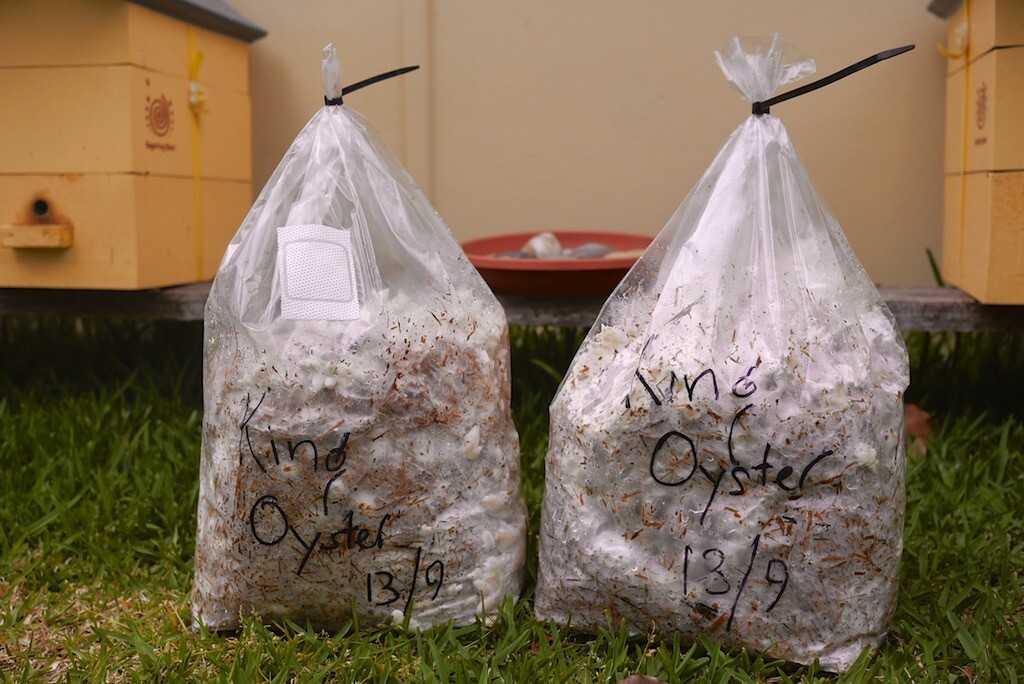
Embarking on the journey of mushroom cultivation often begins with the fundamental step of inoculating a suitable substrate with mushroom spores. This process is the cornerstone of introducing the genetic material of a desired mushroom species into an environment conducive to its growth and eventual fruiting. Mastering spore inoculation is crucial for successful mushroom cultivation, laying the groundwork for healthy mycelial development.The core purpose of inoculating substrate with mushroom spores is to introduce the reproductive cells of a specific mushroom species into a nutrient-rich medium.
This medium, known as the substrate, provides the necessary food and moisture for the spores to germinate and develop into a vegetative network of fungal threads called mycelium. Once the mycelium colonizes the substrate, it signifies the successful establishment of the fungal organism, paving the way for the formation of mushrooms.
Essential Components of Spore Inoculation
Successful spore inoculation relies on a few key elements working in synergy. These components ensure that the spores have the best possible chance to germinate and that the developing mycelium can thrive without competition from undesirable microorganisms.The essential components involved in the spore inoculation process include:
- Mushroom Spores: The reproductive units of the mushroom, containing the genetic blueprint for the species.
- Sterile Inoculation Tool: Typically a syringe filled with sterile water and spores, or a sterile needle used to transfer spores.
- Sterile Substrate: A prepared medium, such as grain, sawdust, or compost, that has been sterilized to eliminate competing microorganisms.
- Sterile Environment: A clean and controlled space, like a laminar flow hood or a still air box, to minimize airborne contaminants.
- Incubation Conditions: Controlled temperature and humidity to promote mycelial growth after inoculation.
The Paramount Importance of Sterile Technique
When handling mushroom spores and substrate, sterile technique is not merely a recommendation; it is an absolute necessity. Mushroom spores, while resilient, are microscopic and can easily be outcompeted by bacteria and molds that are ubiquitous in the environment.The primary reasons why sterile technique is paramount when handling spores and substrate are:
- Preventing Contamination: The most critical reason is to prevent the introduction of unwanted microorganisms. Bacteria and molds can quickly colonize the substrate, consuming nutrients and producing toxins that inhibit or kill the desired mushroom mycelium.
- Ensuring Spore Viability: While spores themselves are robust, the process of preparing them for inoculation can expose them to contaminants that can hinder their germination. Sterility protects the spores.
- Promoting Healthy Mycelial Growth: A clean inoculation ensures that the developing mycelium faces no competition from other fungi or bacteria, allowing it to grow vigorously and colonize the substrate efficiently.
- Maximizing Yields: A contaminant-free inoculation is directly linked to healthier mycelial networks and, consequently, a higher probability of successful and abundant mushroom harvests.
In essence, sterile technique acts as a protective shield, safeguarding the delicate process of mushroom cultivation from the pervasive threats of microbial invaders.
Forms of Mushroom Spores for Inoculation
Mushroom spores can be acquired and prepared for inoculation in several distinct forms, each with its own advantages and handling considerations. The choice of spore form often depends on the cultivator’s experience level, available equipment, and desired inoculation method.The different forms mushroom spores can be acquired in for inoculation include:
- Spore Syringes: This is a very common and user-friendly method. Spores are suspended in sterile water within a syringe, making them easy to inject directly into a sterile substrate. The spore concentration can vary, and it’s important to ensure the syringe has been properly prepared and stored.
- Spore Prints: A spore print is created by placing a mushroom cap on a sterile surface (like foil or glass) and allowing the spores to drop and accumulate. This creates a concentrated collection of spores. Spore prints are then typically scraped into sterile water or directly onto a sterile medium.
- Spore Vials: Similar to spore syringes, these are small, sterile vials containing spores, often in a dry form or suspended in a sterile solution. They are used for transferring spores to a sterile medium.
- Live Mycelium Cultures (from spores): While not directly spores, many cultivators start by germinating spores on an agar plate in a sterile laboratory setting. Once the spores germinate and form mycelium, a small piece of this colonized agar is then used to inoculate the substrate. This bypasses the germination step in the substrate itself.
Each of these forms requires careful handling under sterile conditions to ensure the integrity of the spores and the success of the inoculation.
Preparing the Substrate for Inoculation
Successfully inoculating mushroom spores hinges significantly on the substrate’s readiness. This stage involves selecting appropriate materials and preparing them to provide the ideal environment for mycelial growth while minimizing the risk of competing microorganisms. A well-prepared substrate is a cornerstone of a productive mushroom cultivation journey.The substrate acts as the food source and habitat for the developing mushroom mycelium. Its composition, moisture level, and sterility directly influence the speed and success of colonization.
Understanding these factors allows cultivators to create optimal conditions for their chosen mushroom species.
Common Substrate Types for Mushroom Spore Inoculation
Various organic materials can serve as excellent substrates for mushroom cultivation, each offering different nutritional profiles and textures that favor specific species. The choice of substrate often depends on the mushroom species being cultivated, its natural habitat, and the desired scale of cultivation.
- Hardwood Sawdust: Particularly effective for gourmet species like Shiitake, Oyster, and Lion’s Mane. It provides a good balance of carbon and nitrogen and holds moisture well. Oak, maple, and beech are commonly used.
- Straw: A popular choice for species like Oyster mushrooms. It is rich in cellulose and can be readily pasteurized. Chopped straw is generally preferred for easier colonization.
- Coco Coir: Derived from coconut husks, this substrate is excellent at retaining moisture and is often used in combination with other materials like vermiculite and gypsum for bulk substrates in monotubs. It is relatively resistant to contamination.
- Grain: Grains such as rye, wheat, millet, and sorghum are frequently used as “spawn” – the colonized substrate that is then used to inoculate a larger bulk substrate. They are nutrient-dense and colonize quickly but are also prone to contamination if not properly sterilized.
- Manure: Composted manure, especially from herbivores like cows or horses, is highly nutritious and favored by certain species like Psilocybe cubensis. Proper composting is crucial to reduce pathogens and undesirable compounds.
- Wood Chips: Larger wood chips can be used for outdoor cultivation or for certain wood-loving species, often requiring longer colonization times.
Bulk Substrate Preparation Procedure
Preparing a bulk substrate, such as a mixture of sawdust and straw, involves several key steps to ensure it is nutritious, hydrated, and free from contaminants. This process transforms raw materials into a hospitable environment for mycelial expansion.
- Gather Materials: Collect your chosen substrate components, such as hardwood sawdust and chopped straw. A common ratio for a balanced substrate might be 50% sawdust and 50% straw, but this can vary by species.
- Hydrate the Substrate: Thoroughly moisten the dry materials. This can be done by soaking them in water for several hours or overnight. The goal is to get the materials damp but not waterlogged.
- Drain Excess Water: After soaking, drain the substrate thoroughly. Squeeze a handful; only a few drops of water should come out. If more water drips, it is too wet.
- Mix Components (if applicable): If using a blend of materials, mix them thoroughly to ensure an even distribution of nutrients and moisture.
- Supplement (Optional): For some species, supplements like gypsum (calcium sulfate) or bran can be added to increase nutritional value and improve substrate structure. Gypsum also helps prevent clumping. Add supplements at this stage and mix well.
- Bag or Containerize: Pack the prepared substrate loosely into breathable mushroom grow bags or heat-resistant containers. Do not pack it too tightly, as this can impede air exchange and mycelial growth. Leave some headspace at the top.
Importance of Moisture Content in Substrate
The moisture level of the substrate is critical for mushroom growth. Mycelium requires water for its metabolic processes, but excessive moisture can create anaerobic conditions, promoting the growth of bacteria and molds, which are detrimental to mushroom cultivation.The ideal moisture content ensures that the substrate is hydrated enough to support mycelial development without becoming a breeding ground for contaminants. This balance is often described by the “squeeze test.”
When a handful of substrate is squeezed firmly, only a few drops of water should emerge. If water streams out, it is too wet. If no water comes out, it is too dry.
Achieving optimal moisture levels involves careful hydration and thorough draining. For dry materials like sawdust or straw, soaking is usually required. For materials like coco coir, which are often sold dehydrated, rehydration is necessary. After soaking, allowing the substrate to drain until it passes the squeeze test is essential. For bulk substrates in bags, this can involve letting them sit in a colander or on a screen for a period.
Methods for Sterilizing or Pasteurizing Substrate
Eliminating competing microorganisms from the substrate is paramount to prevent contamination and ensure the mushroom mycelium can colonize unimpeded. Sterilization and pasteurization are two common methods to achieve this, with the choice depending on the substrate type and the specific mushroom species.
Sterilization
Sterilization aims to kill all living organisms, including bacteria, molds, and fungi. This is typically achieved through high-pressure steam.
- Pressure Cooker Sterilization: This is the most common method for sterilizing grain spawn and some smaller substrate batches. Substrate is placed in heat-resistant jars or bags and processed in a pressure cooker at 15 PSI (pounds per square inch) for 90 minutes to 2 hours. The high pressure and temperature (around 121°C or 250°F) effectively kill all microorganisms.
Pasteurization
Pasteurization reduces the number of microorganisms to a level where beneficial fungi can outcompete the remaining ones. This method is less aggressive than sterilization and is often used for bulk substrates like straw or composted manure.
- Hot Water Bath Pasteurization: This involves immersing the substrate in hot water at a specific temperature for a set duration. For straw, a common method is to soak it in water heated to 70-80°C (158-176°F) for 1 to 2 hours. This kills most harmful bacteria and mold spores while leaving beneficial thermophilic organisms.
- Steam Pasteurization: Substrate can be placed in a large pot with a few inches of water at the bottom, covered tightly, and heated with steam. The goal is to maintain a temperature between 60-70°C (140-158°F) for several hours. This method is effective for larger batches of substrate.
The choice between sterilization and pasteurization is crucial. Sterilization is necessary for nutrient-rich substrates like grains that are highly susceptible to contamination. Pasteurization is often sufficient and sometimes preferable for bulk substrates, as it leaves behind some beneficial microorganisms that can help protect the substrate from aggressive contaminants.
Inoculation Techniques with Mushroom Spores
Once your substrate is prepared and sterilized, the next crucial step is introducing the mushroom spores. This process, known as inoculation, is where the magic of mushroom cultivation truly begins. Careful technique and sterile practices are paramount to ensure a successful colonization and prevent contamination. We will explore various methods for inoculating your substrate, from creating your own spore syringes to directly applying spores onto agar.
Spore Syringe Creation for Inoculation
A spore syringe is a fundamental tool for many mushroom cultivators, offering a sterile and precise way to introduce spores. Creating one involves carefully transferring spores from a spore print into sterile water and then drawing this mixture into a sterile syringe. This method allows for easy and controlled inoculation of various substrates.To create a spore syringe, you will need:
- A sterile spore print (obtained from a mature mushroom).
- Sterile distilled water.
- A sterile syringe (typically 10-20cc) with a sterile needle.
- A sterile container (like a mason jar with a lid).
- A flame source (like a lighter or alcohol lamp) for sterilization.
The process involves:
- Sterilizing the needle and syringe by passing them through a flame until red-hot, then allowing them to cool.
- Adding a small amount of sterile distilled water to the sterile container.
- Carefully scraping a small portion of the spore print into the water.
- Agitating the water to disperse the spores.
- Drawing the spore-water mixture into the sterile syringe.
- Flushing the needle with flame sterilization between draws if necessary to maintain sterility.
It is vital to work in a sterile environment, such as a laminar flow hood or a still air box, to minimize airborne contaminants.
Inoculating Grain Spawn Using a Spore Syringe
Grain spawn serves as an excellent nutrient-rich medium for mushroom mycelium to grow and expand before being transferred to bulk substrates. Using a spore syringe to inoculate grain spawn is a common and effective method. The key is to inject the spore solution into the grain in multiple locations to promote even colonization.The inoculation process for grain spawn with a spore syringe involves:
- Ensuring your grain jars or bags are properly prepared and sterilized.
- Sterilizing the needle of the spore syringe by flaming it until red-hot and allowing it to cool.
- Injecting approximately 1-2 cc of spore solution into the grain through the inoculation port or a small hole created in the lid.
- Repeating this injection in several different spots within the jar or bag to increase the chances of successful germination and colonization.
- Sealing any inoculation holes with sterile tape or a self-healing port.
Proper sterile technique during this step is crucial. Work in a clean, still air environment and flame sterilize the needle between each injection if inoculating multiple jars.
Direct Spore Inoculation onto Agar Plates
Agar plates provide a sterile environment for observing spore germination and isolating healthy mycelial cultures. Direct inoculation of spores onto agar is a foundational technique for starting cultures from spore prints. This method allows for early detection of contamination and the selection of vigorous mycelial growth.To perform direct spore inoculation onto agar plates:
- Prepare sterile agar plates according to your chosen recipe and pour them in a sterile environment.
- Allow the agar to solidify completely.
- Sterilize a needle or a scalpel using a flame until red-hot and let it cool.
- Carefully scrape a small amount of spores from a spore print.
- Streak the spores across the surface of the agar plate in a sterile manner, typically in a pattern that allows for isolation of individual colonies.
- Incubate the plates under appropriate conditions.
The goal is to distribute the spores thinly enough that individual spores can germinate and grow into distinct mycelial colonies, which can then be transferred to other media.
Advantages and Disadvantages of Spore Syringes Versus Spore Prints
Both spore syringes and spore prints are valuable tools for starting mushroom cultures, each with its own set of benefits and drawbacks. Understanding these differences can help cultivators choose the most suitable method for their needs.Spore Syringes:
- Advantages: Convenient for direct inoculation, sterile when prepared correctly, allows for precise dosage, can be stored for later use.
- Disadvantages: Requires sterile preparation, risk of contamination if not handled properly, may contain a mixture of genetics leading to varied results.
Spore Prints:
- Advantages: Pure collection of spores directly from the mushroom, allows for visual inspection of spore quality, can be stored for very long periods, relatively easy to obtain.
- Disadvantages: Requires sterilization of spores before use, prone to contamination during collection and handling, germination rates can be lower and slower compared to syringes.
Comparison of Inoculation Methods for Different Mushroom Species
The optimal inoculation method can vary depending on the specific mushroom species being cultivated. Some species are more forgiving and readily germinate from spores, while others require more specialized techniques for successful cultivation.Generally, these methods are applicable across many species, but considerations include:
- Fast-growing species (e.g., Oyster mushrooms): Often germinate readily from spore syringes and can be directly inoculated onto agar or grain.
- Slower-growing or more finicky species (e.g., certain gourmet or medicinal mushrooms): May benefit from the isolation of single spores or mycelial sectors from agar plates to ensure genetic purity and vigorous growth. Direct inoculation from spore prints to agar is often preferred to select for the strongest germinating spores.
- Species prone to contamination: Employing sterile techniques rigorously and starting cultures on agar plates is highly recommended to isolate clean mycelium before moving to grain spawn.
It is always advisable to research the specific requirements and known successful cultivation methods for the particular mushroom species you intend to grow. For instance, some species might show better germination rates when spores are first germinated on a nutrient-rich agar before being transferred to grain.
The success of mushroom cultivation hinges on meticulous sterile technique at every stage, especially during inoculation.
Essential Equipment and Sterilization Procedures
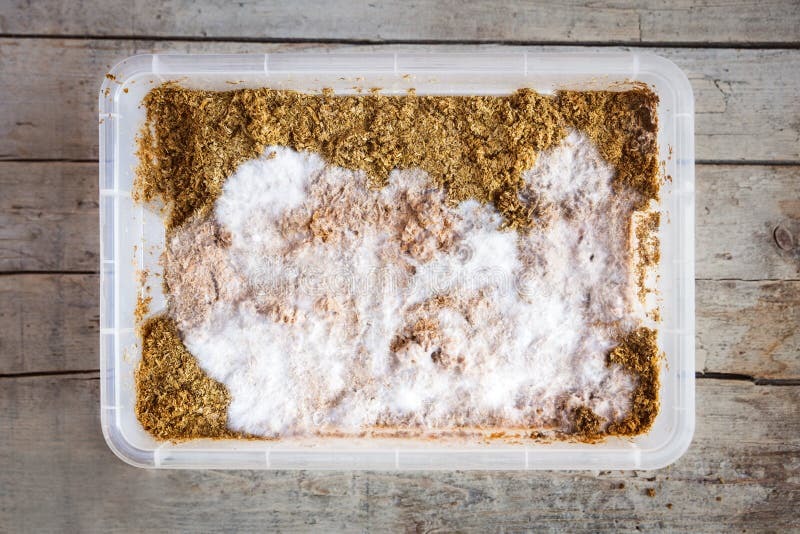
Maintaining a sterile environment is paramount for successful mushroom spore inoculation. Even microscopic contaminants can outcompete your mushroom mycelium, leading to failed cultures. This section will guide you through the critical equipment needed and the robust sterilization procedures essential for a clean and productive inoculation process. Adhering to these steps will significantly increase your chances of cultivating healthy mushroom cultures.
Critical Equipment for Sterile Spore Inoculation
To ensure a contamination-free inoculation, several key pieces of equipment are indispensable. These tools, when used correctly and maintained properly, create the controlled conditions necessary for introducing mushroom spores to their substrate.
- Sterile Gloves: Nitrile or latex gloves that have been properly sterilized are crucial to prevent introducing skin bacteria and oils to your inoculation environment.
- Face Mask: A clean face mask prevents respiratory droplets from contaminating your sterile workspace and substrate.
- Alcohol Wipes (70% Isopropyl Alcohol): These are used extensively for surface disinfection of equipment, workspace, and even your gloved hands.
- Sterile Syringe with Needle: For liquid spore cultures, a sterile syringe is used to draw and inject the spore solution. For spore prints, a sterile scalpel or needle is used.
- Sterile Scalpel or Blade: Essential for manipulating spore prints, scraping colonized material, or making precise cuts in agar or substrate.
- Lighter or Alcohol Lamp: Used for sterilizing metal inoculation tools (like needles or scalpels) by flaming them red-hot.
- Still Air Box (SAB) or Laminar Flow Hood: These are vital for creating a localized sterile environment. A SAB is a DIY enclosure that minimizes air currents, while a flow hood provides a constant stream of filtered air.
- Autoclave or Pressure Cooker: Necessary for sterilizing bulk substrates and reusable equipment like jars and glassware.
- Heat-Resistant Gloves: For safely handling hot sterilized jars or equipment.
- Storage Containers: Sterile jars, bags, or petri dishes for the inoculated substrate.
Principles of Maintaining a Sterile Environment
The core principle behind sterile inoculation is the elimination and prevention of microbial contaminants. This involves a multi-faceted approach that addresses airborne particles, surface contamination, and direct contact.
“Sterility is not a destination, but a continuous practice.”
The goal is to create an environment where the only living organism you intend to grow is the mushroom mycelium. This requires understanding how contaminants spread and implementing measures to counteract them. Airborne contaminants are a significant threat, which is why still air boxes and flow hoods are so important. They create a barrier or a filtered zone that drastically reduces the number of airborne spores and bacteria reaching your work area.
Surface contamination is addressed through thorough cleaning and disinfection with alcohol. Finally, preventing direct contact with non-sterile objects or your own skin is achieved through the use of sterile gloves and proper handling techniques.
Sterilizing Inoculation Tools and Workspace
Effective sterilization is the cornerstone of successful mushroom cultivation. This process involves rigorous cleaning and the application of methods that kill or inactivate all forms of microbial life.
Workspace Sterilization
Before beginning any inoculation, your workspace must be meticulously cleaned and disinfected. This typically involves setting up your still air box or flow hood and thoroughly wiping down all interior surfaces with 70% isopropyl alcohol. The air within the enclosure should also be allowed to settle for a period (e.g., 15-30 minutes) to let airborne particles fall.
Tool Sterilization
Metal tools such as scalpels, needles, and syringes must be sterilized before each use. The most common and effective method for these items is flame sterilization.
- Heat the metal tool (e.g., needle, scalpel blade) in the flame of a lighter or alcohol lamp until it glows red-hot.
- Allow the tool to cool for a few seconds before use. Do not touch it or place it on any non-sterile surface while cooling.
- For plastic syringes or other disposable items, ensure they are purchased as sterile and kept in their original packaging until the moment of use.
Other items like glass jars and bulk substrates are typically sterilized using a pressure cooker or autoclave.
Pressure Cooking/Autoclaving Substrate and Equipment
This method uses steam under pressure to reach temperatures higher than boiling, effectively killing all microorganisms.
- Ensure your substrate is properly prepared in heat-resistant jars or bags.
- Place the jars or bags in a pressure cooker or autoclave.
- Follow the manufacturer’s instructions for your specific device, but generally, this involves bringing the cooker up to 15 PSI and maintaining that pressure for at least 90 minutes for quart-sized jars, or longer for larger volumes.
- Allow the pressure cooker to cool down completely on its own before opening to avoid explosive decompression and potential injury.
Checklist of Necessary Sterile Supplies
To ensure you have everything prepared for a sterile inoculation, a comprehensive checklist is invaluable. Having these items readily accessible and properly sterilized will streamline the process and minimize the risk of contamination.
| Category | Item | Sterilization Method/Notes |
|---|---|---|
| Personal Protection | Sterile Nitrile/Latex Gloves | Wear new pair for each inoculation. |
| Face Mask | Clean and new for each session. | |
| Sterile Lab Coat/Apron (Optional) | Helps minimize shedding of fibers. | |
| Workspace & Environment | Still Air Box (SAB) or Laminar Flow Hood | Clean interior with 70% isopropyl alcohol before use. |
| 70% Isopropyl Alcohol Spray Bottles | For wiping surfaces and hands. | |
| Butane Torch or Alcohol Lamp | For flame sterilization of metal tools. | |
| Disinfectant Wipes (e.g., for surfaces) | Use in conjunction with alcohol. | |
| Inoculation Tools | Sterile Syringe with Needle (for liquid culture) | Purchase sterile, keep sealed until use. |
| Sterile Scalpel or Blade | Flame sterilize before each use. | |
| Sterile Inoculation Loop (Optional) | Flame sterilize before each use. | |
| Tweezers (Sterile) | Flame sterilize before each use. | |
| Parafilm or Sterilized Tape | For sealing culture containers. | |
| Substrate & Culture Vessels | Sterilized Grain Jars/Bags | Prepared and sterilized via pressure cooker/autoclave. |
| Sterilized Agar Plates (if applicable) | Prepared and sterilized via pressure cooker/autoclave. | |
| Sterilized Spore Syringe/Vial | Purchased sterile or prepared aseptically. | |
| Waste Disposal | Biohazard Bag or Designated Container | For disposing of contaminated materials. |
Common Challenges and Troubleshooting in Spore Inoculation
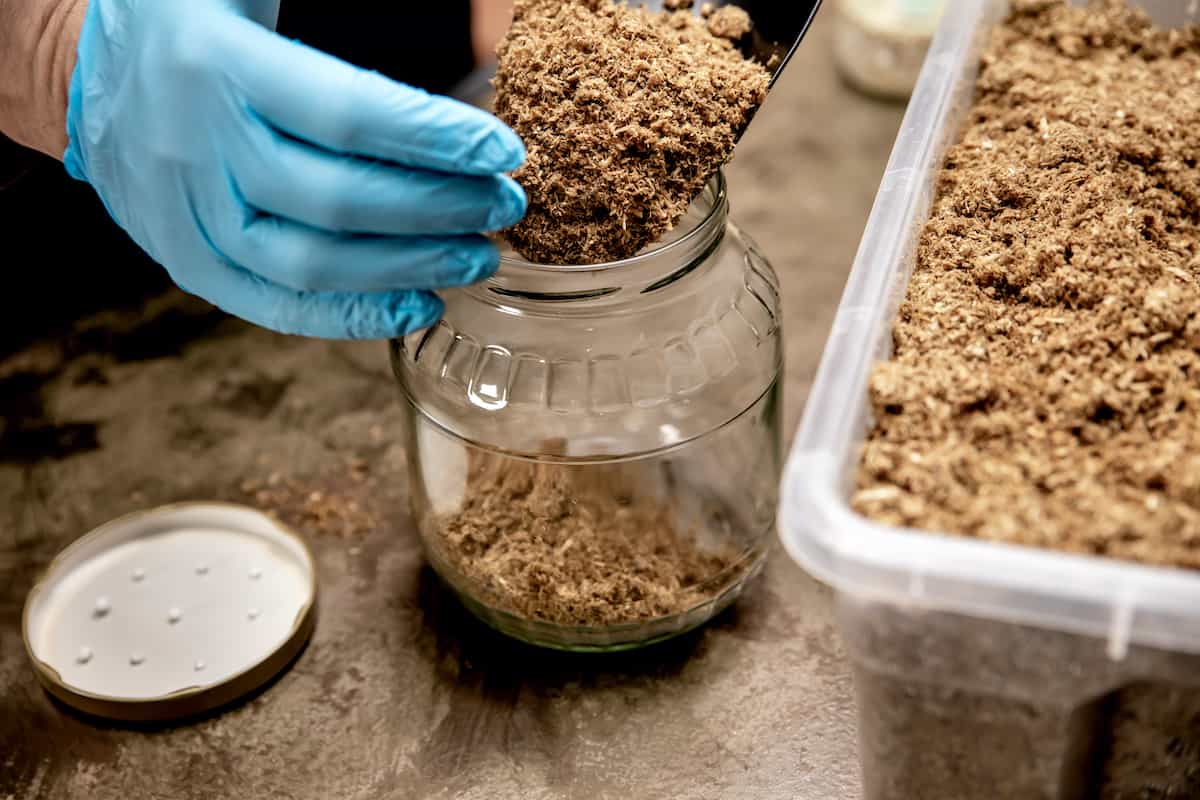
Embarking on the journey of mushroom cultivation through spore inoculation is an exciting endeavor, but it’s not without its potential hurdles. Understanding and preparing for common challenges will significantly increase your success rate. This section will guide you through troubleshooting issues that may arise, from contamination to slow growth, ensuring you can effectively address them and nurture your mycelial network.One of the most critical aspects of successful spore inoculation is maintaining a sterile environment.
Contamination is the primary adversary, and vigilance is key. This section will equip you with the knowledge to identify, prevent, and rectify common problems, fostering a robust and healthy mycelial development.
Contamination Prevention Strategies
Preventing contamination during spore inoculation is paramount to achieving a successful harvest. Contaminants, such as bacteria and mold, compete with mushroom mycelium for resources and can quickly overtake your substrate, rendering it unusable. Implementing strict sterile techniques throughout the entire process is the most effective defense.Key strategies for contamination prevention include:
- Sterilization of all equipment and materials: This includes syringes, needles, jars, bags, and any tools that come into contact with the substrate or spores. Autoclaving or using a pressure cooker is highly recommended for thorough sterilization.
- Working in a sterile environment: A still air box (SAB) or a laminar flow hood provides a clean workspace to minimize airborne contaminants. Regularly sanitize the surface of your SAB or flow hood with isopropyl alcohol.
- Proper handling of spore syringes: Avoid touching the needle tip with anything other than the sterile stopper of the spore solution or the inoculation port of your substrate.
- Using high-quality spore syringes: Ensure your spore syringes are sourced from reputable suppliers to minimize the risk of pre-existing contamination within the spore solution itself.
- Maintaining optimal incubation temperatures: While not directly a prevention technique during inoculation, maintaining the correct temperature for your specific mushroom species can promote faster mycelial growth, giving the mushroom mycelium a competitive edge over slower-growing contaminants.
Reasons for Slow or Absent Mycelial Growth
Several factors can contribute to slow or nonexistent mycelial growth after spore inoculation. Understanding these common reasons allows for targeted troubleshooting and adjustments to your cultivation process.Common causes for delayed or absent mycelial growth include:
- Non-viable spores: Spores have a shelf life and can lose viability over time or if stored improperly. If the spore syringe was old or exposed to extreme temperatures, the spores may not germinate.
- Incorrect incubation temperature: Each mushroom species has an optimal temperature range for mycelial colonization. Temperatures too high or too low can significantly slow down or halt growth. For example, many gourmet mushrooms thrive between 70-75°F (21-24°C), while some medicinal species prefer slightly cooler conditions.
- Insufficient moisture content in the substrate: Mycelium requires adequate moisture to grow. If the substrate is too dry, germination and colonization will be severely hampered. Conversely, overly wet substrate can lead to anaerobic conditions and promote bacterial contamination, which can inhibit mycelial growth.
- Substrate composition: While most mushroom species are adaptable, some may have specific nutrient or pH requirements for optimal colonization. An imbalanced substrate can lead to poor mycelial development.
- Contamination: Even low levels of bacterial or mold contamination can compete with the mycelium for nutrients and space, leading to stunted or stalled growth. The presence of a greenish or blackish fuzzy growth alongside your desired mycelium is a clear indicator of contamination.
Identifying and Addressing Common Contaminants
Recognizing common contaminants is a crucial skill for any mushroom cultivator. Early identification allows for prompt action, preventing the spread of contamination to other cultures or future projects.Common contaminants and their characteristics include:
- Trichoderma (Green Mold): This is perhaps the most prevalent contaminant. It typically appears as powdery or fuzzy patches that start white and quickly turn vibrant green. It spreads rapidly and is highly competitive.
- Penicillium (Blue/Green Mold): Similar to Trichoderma, Penicillium presents as fuzzy patches, often blue or green in color. It can also have a distinct smell.
- Bacterial Blotch (Slimy Patches): Bacteria often manifest as wet, slimy, or mucoid patches on the substrate. They may have a foul odor and can inhibit mycelial growth by producing inhibitory substances.
- Mucor (Bread Mold): This contaminant appears as white, fluffy, cotton-like growth that can spread quickly. It often has a greyish tinge as it matures.
If contamination is identified, the general recommendation is to discard the contaminated substrate immediately and safely.
“When in doubt, throw it out.”
This adage is particularly relevant in mushroom cultivation. Attempting to salvage heavily contaminated substrates is rarely successful and risks spreading spores of the contaminant to other cultures or your grow area. For minor, localized contamination in a bulk substrate, some experienced cultivators might attempt to cut out the affected area, but this is a risky practice and generally not recommended for beginners.
Addressing Weak Initial Spore Germination
Weak or slow initial spore germination can be disheartening, but it doesn’t always mean failure. Several factors can influence the initial burst of mycelial activity.Guidance for addressing weak initial spore germination includes:
- Patience: Spore germination can sometimes take longer than expected, especially depending on the species and environmental conditions. Some species may take 1-3 weeks or even longer to show initial signs of germination.
- Optimizing incubation temperature: Reconfirm that your incubation temperature is within the ideal range for your specific mushroom species. A slight adjustment to the warmer end of the recommended range (if not already there) might encourage germination.
- Checking moisture levels: Ensure the substrate is adequately hydrated but not waterlogged. If it appears dry, consider very carefully misting the surface, but be extremely cautious not to introduce contaminants.
- Using a liquid culture or agar: If you suspect your spore syringe has low viability or you are struggling with germination directly in substrate, consider germinating the spores on agar plates or creating a liquid culture. These methods allow for easier observation of germination and selection of healthy germinating spores to transfer to new media.
- Considering a second inoculation: If after a significant period (e.g., 3-4 weeks) there is still no visible growth, and you have other viable spore syringes, a second inoculation into a fresh batch of sterilized substrate might be considered. This helps rule out a faulty spore syringe as the primary issue.
Post-Inoculation Incubation and Monitoring
Once your substrate has been successfully inoculated with mushroom spores, the critical phase of incubation begins. This period is dedicated to allowing the spores to germinate and develop into a healthy mycelial network. Careful attention to environmental conditions and diligent monitoring are paramount to ensuring a robust colonization and ultimately, a successful mushroom harvest. This section will guide you through creating the optimal environment and recognizing the signs of healthy growth.
Ideal Environmental Conditions for Incubation
The success of mycelial development hinges on maintaining specific environmental parameters. Spores require a stable and controlled environment to germinate and spread effectively. Deviations from these ideal conditions can lead to slow growth, contamination, or complete failure of the inoculation.The primary factors to control are temperature and humidity. Different mushroom species have slightly varying preferences, but general guidelines apply to most common cultivated varieties.
- Temperature: For most common gourmet and medicinal mushrooms, an incubation temperature ranging from 70-75°F (21-24°C) is considered optimal. Some species may tolerate slightly cooler or warmer temperatures, but significant fluctuations should be avoided. Consistent temperature is key to preventing stress on the developing mycelium.
- Humidity: While direct, heavy moisture is not ideal during the initial colonization phase, maintaining a humid environment is crucial for spore germination and mycelial growth. Aim for a relative humidity of 90-95%. This can be achieved through various methods, such as placing the inoculated substrate in a sealed container or incubation chamber with a source of moisture, like damp perlite or a humidifier.
Monitoring Inoculated Substrate for Mycelial Colonization
Observing the inoculated substrate regularly is essential to track the progress of mycelial growth and to detect any potential issues early on. This proactive monitoring allows for timely intervention if contamination or suboptimal conditions arise.Visual inspection is the primary method for monitoring. You will be looking for specific changes in the appearance of the substrate that indicate the germination of spores and the subsequent spread of mycelium.
Visual Cues of Successful Mycelial Growth
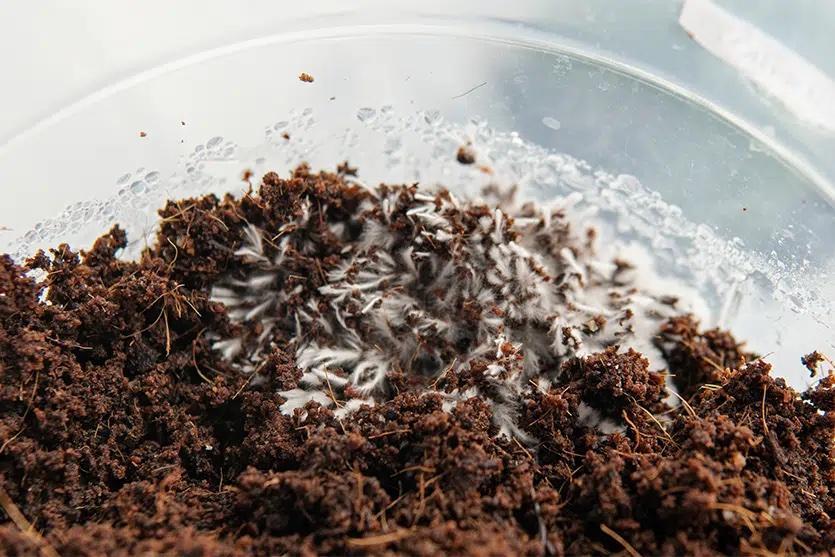
Recognizing the signs of healthy mycelial development is a vital skill for any mushroom cultivator. The transformation from a seemingly inert substrate to a vibrant, white network signifies that your inoculation has been successful.The appearance of mycelium can vary slightly depending on the mushroom species, but it generally presents as a white, fuzzy, or thread-like growth.
- Initial Germination: In the early stages, you may notice tiny, almost imperceptible white specks or a slight fuzziness appearing around the inoculation points. This indicates that the spores have germinated and are beginning to send out hyphae.
- Mycelial Expansion: As colonization progresses, these small white areas will expand and merge. The mycelium will appear as a dense, white, cottony or web-like structure spreading throughout the substrate. It should look uniform and healthy, without any unusual colors or textures.
- Fruiting Body Formation: While not directly a sign of spore colonization, the eventual formation of primordia (baby mushrooms) is the ultimate indicator of successful mycelial development and readiness for fruiting. This typically occurs after the substrate is fully colonized.
Timeline of Expected Development Stages Following Spore Inoculation
Understanding the typical progression of mycelial growth from spores can help set realistic expectations and guide your monitoring efforts. This timeline is an approximation and can vary significantly based on the mushroom species, the viability of the spores, and the environmental conditions.For many common species, the journey from spore to fully colonized substrate can take several weeks.
- Week 1-2: Spore Germination and Initial Hyphal Growth: During this initial period, you may observe very subtle signs of white growth, often concentrated around the inoculation sites. The substrate might appear slightly fuzzy in these areas.
- Week 2-4: Mycelial Spreading and Network Formation: The white mycelial threads will begin to visibly spread outwards from the initial germination points. The substrate will start to show patches of white, which will gradually increase in size and density.
- Week 4-6 (or longer): Full Colonization: The entire substrate should be covered in a dense, white mycelial network. It will appear opaque and uniformly white, with little to no exposed substrate visible. This indicates that the mycelium has consumed the nutrients and is ready for the next stage.
- Post-Colonization: Primordia Formation: After full colonization, and often with a slight shift in environmental conditions (like a drop in temperature or introduction of fresh air), you will begin to see tiny bumps or knots forming on the surface of the mycelium. These are the primordia, the very first stages of mushroom development.
It is important to note that some spore syringes may take longer to show signs of life than others, and some may not colonize at all due to low spore viability or contamination. Patience and consistent observation are key.
Advanced Inoculation Concepts
Moving beyond the fundamental techniques of spore inoculation opens up a world of possibilities for the dedicated mushroom cultivator. This section delves into more sophisticated approaches, exploring the advantages of different inoculation methods, the intricate process of isolating specific genetic lines, and strategies for overcoming the challenges posed by recalcitrant spores. Understanding these advanced concepts will empower you to achieve greater control over your cultivation projects and unlock the full potential of your chosen mushroom species.
Spore Inoculation Versus Liquid Culture
While spore inoculation is the foundational method for introducing genetic material, liquid culture offers distinct advantages in terms of speed, purity, and efficiency for initiating mushroom growth. Spores are the reproductive units of fungi, analogous to seeds in plants. When germinated on a suitable medium, they produce mycelium, the vegetative body of the fungus. However, the germination rate of spores can vary significantly, and each spore represents a unique genetic individual, leading to potential variability in the resulting mycelial colony.
Liquid culture, on the other hand, involves suspending actively growing mycelium in a sterile nutrient broth. This method bypasses the initial germination phase, providing a ready-to-use inoculum that is typically faster to colonize substrate.
| Feature | Spore Inoculation | Liquid Culture |
|---|---|---|
| Initiation Speed | Slower, requires spore germination | Faster, bypasses germination |
| Genetic Purity | High variability, each spore is unique | Can be standardized to a specific strain, if prepared correctly |
| Contamination Risk | Higher during germination phase | Lower if sterile techniques are maintained |
| Ease of Use for Beginners | Generally easier to start with | Requires more advanced sterile techniques |
| Scalability | Can be challenging to scale reliably due to variability | Easily scalable for larger inoculation volumes |
Isolating Specific Mycelial Strains from Spore Inoculations
The inherent genetic variability of spore-derived cultures presents both a challenge and an opportunity. Each spore germinates into a distinct mycelial strain, meaning that a single spore syringe can yield multiple genetically different mycelial lines. For cultivators seeking to propagate desirable traits, such as aggressive colonization, robust fruiting, or specific morphology, the process of isolating specific strains is crucial. This involves germinating spores on an agar medium, observing the resulting mycelial growth, and then transferring sectors of the most promising mycelium to new agar plates or other sterile media.The process typically involves the following steps:
- Spore Syringe Preparation: Sterilize a spore syringe and inject a small amount of spore solution onto the surface of sterile agar in a Petri dish.
- Incubation and Observation: Incubate the agar plate under appropriate conditions and observe the germination and growth of mycelial hyphae.
- Strain Selection: Identify colonies exhibiting desirable characteristics, such as rapid growth, dense rhizomorphic structure, or absence of contamination.
- Sectoring: Using a sterile scalpel or loop, carefully cut out a small section (sector) of the selected mycelium and transfer it to a fresh agar plate. This process is repeated multiple times to ensure genetic purity and to isolate the desired strain from any potential contaminants.
- Subculturing: Once a pure and vigorous strain is established on agar, it can be further propagated through subculturing onto new agar plates or by creating liquid cultures from the isolated mycelium.
Genetic Variability Inherent in Spore-Derived Cultures
Understanding the genetic variability of spore-derived cultures is fundamental to advanced mushroom cultivation. Unlike vegetative propagation, where genetically identical clones are produced, sexual reproduction through spores introduces a significant degree of genetic diversity. This is due to the processes of meiosis and recombination, which shuffle the genetic material from the parent mushrooms.
Each spore represents a unique genetic individual, leading to a wide spectrum of potential traits within a single species.
This variability means that when you inoculate a substrate with spores, you are essentially planting a diverse garden of potential mycelial strains. Some may colonize rapidly and fruit prolifically, while others may be slower, more susceptible to contamination, or exhibit different morphological characteristics. For experienced cultivators, this variability is an opportunity for selective breeding and strain development. By consistently selecting and propagating the best-performing mycelial lines, it is possible to develop highly adapted and vigorous strains for specific cultivation environments.
This process is akin to how plant breeders develop new varieties of crops.
Protocol for Germinating Difficult-to-Germinate Mushroom Spores
Some mushroom species, particularly those from arid or challenging environments, possess spores with thicker outer walls or require specific environmental cues for germination. These “difficult-to-germinate” spores may require specialized protocols to overcome their dormancy. The key is often to mimic natural conditions that trigger germination or to break down the spore’s protective layers.A protocol for germinating difficult-to-germinate spores might involve the following steps:
- Surface Sterilization: While general spore syringes are often used directly, for difficult spores, a mild surface sterilization might be considered. This could involve a brief rinse in a dilute hydrogen peroxide solution (e.g., 3%) or sterile distilled water, followed by thorough rinsing. Extreme caution is advised to avoid damaging the spores.
- Pre-soaking: Soaking spores in sterile distilled water for 12-24 hours at room temperature can help to hydrate the spores and initiate metabolic activity.
- Agar Medium Selection: Use nutrient-rich agar media, such as Malt Extract Agar (MEA) or Potato Dextrose Agar (PDA), supplemented with a small amount of activated charcoal. Activated charcoal can help to absorb inhibitory compounds and provide a more favorable germination environment.
- UV or Cold Shock Treatment: Some research suggests that brief exposure to UV light or a period of cold stratification (e.g., a few days in the refrigerator) can break dormancy in certain spore types. This should be done with extreme care and research specific to the species.
- Incubation Temperature: Experiment with slightly elevated incubation temperatures, within the species’ known optimal range, or consider fluctuating temperatures to mimic diurnal cycles.
- Longer Incubation Periods: Be patient. Difficult spores may take significantly longer to germinate, sometimes weeks or even months.
- Use of Growth Promoters: In some advanced research settings, specific growth promoters or co-factors might be added to the agar, though this is generally beyond the scope of typical home cultivation.
It is important to note that working with difficult-to-germinate spores often requires meticulous sterile technique and a willingness to experiment. Success rates can be lower, and multiple attempts may be necessary.
Closing Summary
Successfully inoculating substrate with mushroom spores is a rewarding endeavor that opens the door to cultivating your own unique fungal varieties. By mastering the techniques discussed, from meticulous preparation and sterile handling to careful incubation and troubleshooting, you are well-equipped to nurture healthy mycelial growth and achieve bountiful harvests. This guide has provided the foundational knowledge and practical steps to empower your cultivation journey, encouraging continued exploration and experimentation in the fascinating world of mycology.