Mastering the art of mushroom cultivation hinges on a fundamental principle: precise temperature control. This guide delves into the crucial aspects of maintaining optimal thermal conditions, ensuring your mycelial networks thrive and your harvests are bountiful. We will explore the science behind why temperature is paramount, examine effective heating and cooling strategies, and equip you with the knowledge to monitor and troubleshoot any environmental challenges.
Understanding the delicate balance of temperature is essential for every stage of mushroom growth, from delicate mycelial development to robust fruiting. Fluctuations can lead to diminished yields, compromised quality, and even the complete failure of your crop. This comprehensive overview will illuminate the ideal temperature ranges for various species and the distinct impacts of both excessive heat and cold on your cultivation efforts.
Understanding the Importance of Temperature Control in Mushroom Cultivation

Maintaining the correct temperature is paramount in mushroom cultivation, acting as a key environmental factor that directly influences the success of your grow. This is particularly true during the fruiting stages, where precise temperature regulation is essential for triggering the development of mushrooms and ensuring optimal growth. Deviations from ideal conditions can lead to a cascade of negative consequences, impacting both the quantity and the overall quality of your harvest.The delicate balance required for mushroom growth means that even slight temperature fluctuations can disrupt the biological processes at play.
This section will delve into why temperature control is so critical, explore the detrimental effects of inconsistent temperatures, and provide guidance on ideal temperature ranges for popular mushroom species, as well as the impact of extreme temperatures on mycelial development.
Critical Role of Consistent Temperature in Mushroom Fruiting Stages
The fruiting stage is when the mycelial network, the vegetative part of the fungus, transitions into producing the visible mushroom structures. This transition is highly sensitive to environmental cues, with temperature being one of the most significant. Consistent and appropriate temperatures signal to the mycelium that conditions are favorable for reproduction, initiating the formation of primordia (the initial pinheads) and subsequently promoting their development into mature mushrooms.
Fluctuations can interrupt this signaling process, leading to stunted growth, malformed mushrooms, or even a complete failure to fruit.
Negative Impacts of Temperature Fluctuations on Yield and Quality
When temperatures fluctuate significantly during the fruiting cycle, several negative outcomes can occur. Rapid temperature drops can shock the mycelium, halting or slowing down the pinning process. Conversely, prolonged periods of excessive heat can accelerate growth but often result in smaller, less dense mushrooms with reduced flavor and texture. Furthermore, inconsistent temperatures can increase the susceptibility of mushrooms to contamination by bacteria and molds, as these opportunistic organisms often thrive in unstable environments.
This can lead to spoiled crops and a significantly diminished yield.
Ideal Temperature Ranges for Common Mushroom Species
Different mushroom species have evolved to thrive in specific temperature environments, and understanding these preferences is crucial for successful cultivation. While general ranges exist, it is always advisable to research the precise requirements for the species you are growing.Here are the ideal temperature ranges for some common mushroom species during their fruiting phase:
- Oyster Mushrooms (e.g.,
-Pleurotus ostreatus*,
-Pleurotus pulmonarius*): Generally prefer cooler to moderate temperatures, typically between 15-24°C (59-75°F). Some strains may tolerate slightly cooler or warmer conditions. - Shiitake Mushrooms (*Lentinula edodes*): Often require a temperature drop to initiate fruiting, with ideal fruiting temperatures ranging from 13-21°C (55-70°F).
- Button Mushrooms (*Agaricus bisporus*): These are commercially popular and typically fruit best in a temperature range of 15-21°C (59-70°F).
- Lion’s Mane (*Hericium erinaceus*): Prefers moderate temperatures, generally between 18-24°C (64-75°F).
Effects of High and Low Temperatures on Mycelial Growth
Temperature plays a critical role not only in the fruiting stage but also during the vegetative growth of the mycelium. Both excessively high and low temperatures can significantly impede or halt mycelial development.The impact of extreme temperatures on mycelial growth can be summarized as follows:
- High Temperatures: Temperatures exceeding the optimal range for a specific species can stress the mycelium. This stress can lead to slower growth rates, increased susceptibility to contamination, and in severe cases, can kill the mycelium. For many common species, temperatures above 30°C (86°F) can be detrimental.
- Low Temperatures: While mycelium is generally more tolerant of cooler temperatures than high temperatures, prolonged exposure to very low temperatures can significantly slow down or completely stop its growth. For some species, temperatures near freezing can cause irreversible damage to the mycelial structure. For instance, if the incubation temperature for oyster mushroom mycelium drops consistently below 10°C (50°F), its colonization rate will be drastically reduced.
Understanding these effects helps in establishing appropriate incubation and fruiting conditions, ensuring a robust mycelial network and a successful transition to mushroom production.
Methods for Heating Your Grow Room
Maintaining the optimal temperature range is paramount for successful mushroom cultivation, and when ambient temperatures drop, proactive heating becomes essential. Fortunately, several effective methods can be employed to gently warm your grow room, ensuring your mycelium thrives and your fruiting bodies develop properly. This section will explore common heating solutions, their advantages and disadvantages, and how to implement them safely and efficiently.The choice of heating method often depends on the size of your grow space, your budget, and your personal comfort level with different technologies.
Understanding the nuances of each option will allow you to make an informed decision that best suits your specific cultivation needs.
Comparison of Common Heating Methods
Several heating devices are suitable for mushroom grow rooms, each offering a distinct approach to temperature regulation. Selecting the right one involves weighing their operational characteristics against your grow room’s requirements and your priorities regarding energy consumption and safety.
- Electric Heaters: These devices convert electrical energy into heat, often through resistance coils or ceramic elements. They are widely available and come in various forms, including fan heaters, oil-filled radiators, and ceramic heaters.
- Heat Mats: Specifically designed to provide gentle, consistent warmth from below, heat mats are often used for warming substrates or small grow tents. They typically use a low-wattage heating element embedded in a flexible mat.
- Space Heaters: This is a broad category that encompasses various portable heating units designed to warm a specific area or room. It can include many types of electric heaters but often refers to larger, more powerful units intended for general room heating.
Pros and Cons of Heating Methods
Each heating method presents a unique set of benefits and drawbacks, particularly concerning energy efficiency and safety, which are critical considerations for any cultivator.
Electric Heaters
- Pros:
- Quick to heat up and provide immediate warmth.
- Many models offer adjustable thermostats for precise temperature control.
- Portable and easy to reposition as needed.
- Available in a wide range of sizes and wattages to suit different grow room volumes.
- Cons:
- Can be energy-intensive, leading to higher electricity bills, especially if not used with a thermostat.
- Some models can dry out the air, potentially affecting humidity levels in the grow room, which is detrimental to mushrooms.
- Fan heaters can circulate air, which might be undesirable if you are trying to maintain specific environmental conditions or if it blows dust around.
Heat Mats
- Pros:
- Highly energy-efficient due to their low wattage and targeted heating.
- Provide consistent, gentle warmth directly to the substrate, mimicking natural conditions.
- Ideal for germination and early growth stages where consistent bottom heat is beneficial.
- Low risk of drying out the air or substrate when used correctly.
- Cons:
- Limited heating capacity; primarily suitable for smaller areas or direct substrate warming, not for heating an entire large room.
- Require careful placement to ensure even heat distribution and prevent hot spots.
- Can be less effective in very cold environments without additional room heating.
Space Heaters
- Pros:
- Effective at heating larger grow rooms or enclosed spaces.
- Many models come with safety features like tip-over protection and overheat shut-off.
- Can offer a good balance of heating power and portability.
- Cons:
- Energy consumption can be high, similar to other electric heaters.
- Some models may not have precise temperature controls, leading to fluctuations.
- Potential for drying out the air if not monitored.
Effective Heat Mat Setup for Substrate Warming
Heat mats are an excellent tool for providing controlled warmth directly to your mushroom substrate, which is particularly beneficial during the colonization phase. A well-designed setup ensures even heat distribution and optimal conditions for mycelial growth.To set up a heat mat effectively for substrate warming, consider the following:
- Placement: Position the heat mat on a flat, stable surface. Avoid placing it directly on the floor if it’s cold or damp. A heat-resistant mat or a thin layer of insulation can be placed underneath the heat mat to further prevent heat loss.
- Substrate Container: Place your substrate trays, jars, or bags directly on top of the heat mat. Ensure good contact for efficient heat transfer. If using multiple containers, arrange them to cover as much of the heat mat’s surface as possible without overcrowding.
- Temperature Regulation: Crucially, use a thermostat with a probe to control the heat mat’s temperature. Place the thermostat probe directly within or in close proximity to the substrate, ideally in the center of one of the substrate containers, to get an accurate reading of the temperature your mycelium is experiencing. Set the thermostat to your desired substrate temperature, typically between 75-80°F (24-27°C) for many common mushroom species during colonization.
- Insulation: To further optimize heat retention and create a more stable microclimate, consider enclosing the substrate containers and the heat mat. This can be achieved by placing them inside a larger container, a grow tent, or even wrapping them loosely with an insulating material like a reflective tarp or thick blankets. This helps prevent heat from escaping and reduces the workload on the heat mat, improving energy efficiency.
- Monitoring: Regularly monitor the temperature using your thermostat and, if possible, a separate thermometer placed in different locations to ensure there are no significant hot or cold spots.
Potential Fire Hazards and Preventative Measures
Heating devices, while essential for temperature control, can pose fire risks if not used or maintained properly. Awareness of these hazards and implementing preventative measures is paramount for a safe growing environment.Potential fire hazards associated with heating devices include:
- Overheating: Devices can overheat if their ventilation is blocked, if they are placed too close to flammable materials, or if their internal safety mechanisms fail.
- Electrical Malfunctions: Damaged cords, faulty wiring, or internal component failures can lead to short circuits and fires.
- Placement Near Flammables: Placing heaters too close to substrates, grow media, packaging materials, or other combustible items significantly increases the risk of ignition.
- Unattended Operation: Leaving heating devices running unattended for extended periods, especially older or less sophisticated models, increases the risk of an undetected malfunction.
To mitigate these risks, implement the following preventative measures:
- Read and Follow Manufacturer Instructions: Always adhere to the manufacturer’s guidelines for installation, operation, and maintenance of any heating device.
- Ensure Adequate Ventilation: Never block the air vents of any heater. Ensure there is ample space around the unit for air circulation.
- Maintain Safe Distances: Keep all heating devices at a safe distance from flammable materials, including your mushroom substrates, grow bags, packaging, and any other combustible items. A minimum clearance of 3 feet (approximately 1 meter) is often recommended, but check the device’s specific requirements.
- Use Certified Devices: Purchase heaters that have been certified by reputable safety organizations (e.g., UL, CE).
- Inspect Regularly: Periodically inspect power cords for damage, frayed wires, or loose connections. Check the heating elements and casing for any signs of wear or damage.
- Use Thermostats and Timers: Employ reliable thermostats to prevent overheating and timers to limit the duration of operation, especially for devices that do not have built-in temperature regulation.
- Install Smoke Detectors and Fire Extinguishers: Ensure your grow room is equipped with working smoke detectors. Have a fire extinguisher readily accessible and know how to use it.
- Never Leave Unattended (if possible): While sometimes unavoidable, try to avoid leaving heating devices running unattended for excessively long periods. If you must, ensure all safety features are functioning correctly and that the area is clear of any potential ignition sources.
Methods for Cooling Your Grow Room

Maintaining the optimal temperature in your mushroom grow room is a delicate balancing act, and just as heating is crucial, so too is effective cooling. Uncontrolled heat buildup can lead to stalled growth, increased susceptibility to pests and diseases, and ultimately, a diminished harvest. This section will explore various strategies and technologies designed to efficiently lower the temperature within your cultivation space, ensuring a stable and conducive environment for your mushrooms.Effective cooling strategies focus on removing excess heat generated by environmental factors and the cultivation process itself.
By understanding the principles behind different cooling methods, you can implement a robust system tailored to your specific grow room needs. This involves not only selecting the right equipment but also strategically integrating it into your overall environmental control plan.
Ventilation for Heat Management
Ventilation is a fundamental aspect of temperature control, serving to exchange warm, stale air with cooler, fresh air from the outside. This process is vital for removing not only heat but also excess humidity and CO2, which can accumulate and negatively impact mushroom development. A well-designed ventilation system acts as the first line of defense against overheating.The operational principle of ventilation relies on creating airflow.
This is typically achieved through a combination of intake and exhaust points. Cool, fresh air is drawn into the grow room, displacing the warmer, more humid air, which is then expelled. The rate of air exchange is critical; too little, and heat and CO2 build up; too much, and you can lose valuable humidity and struggle to maintain temperature.To implement an effective ventilation system for managing heat buildup, consider the following strategy:
- Assess Heat Load: Determine the primary sources of heat in your grow room. This includes ambient outside temperature, heat generated by lighting, substrate metabolism, and any heating equipment.
- Calculate Air Exchange Rate: A common guideline for mushroom cultivation is to exchange the air in the grow room at least once every few minutes. This can be calculated by multiplying the volume of your grow room by the desired air changes per hour (ACH). For example, a 10x10x8 foot room (800 cubic feet) needing 20 ACH would require 16,000 cubic feet per minute (CFM) of total fan capacity.
- Install Intake and Exhaust Fans: Strategically place intake vents or fans to draw in fresh air, ideally from a shaded or cooler area. Exhaust fans should be positioned to effectively pull out the warmest air, typically near the ceiling.
- Use Ducting: Employ ducting to direct airflow efficiently, ensuring that incoming air is distributed evenly and outgoing air is expelled away from intake points to prevent recirculation of warm air.
- Incorporate Thermostatic Control: Connect your fans to a thermostat. This allows the fans to automatically turn on when the temperature exceeds your set point and turn off when it drops back down, optimizing energy usage and maintaining a stable environment.
- Consider Passive Ventilation: In smaller setups or during cooler periods, passive ventilation using screened vents can be sufficient. However, for active heat management, powered fans are essential.
Exhaust Fans for Targeted Heat Removal
Exhaust fans are specifically designed to forcefully remove air from a space, making them a powerful tool for combating heat buildup in grow rooms. Unlike general ventilation which might involve passive intake, exhaust fans actively pull air out, creating negative pressure that draws cooler air in through passive vents or other intake points.The operational principle of exhaust fans is straightforward: a motor drives a fan blade, which pushes air out of the enclosure.
The effectiveness of an exhaust fan is measured in cubic feet per minute (CFM), indicating the volume of air it can move. Choosing an exhaust fan with adequate CFM for your grow room size is crucial for efficient heat removal.When selecting and implementing exhaust fans for your mushroom grow room, keep these points in mind:
- CFM Rating: Ensure the fan’s CFM rating is sufficient to exchange the air in your room multiple times per hour, as discussed in the ventilation section. Over-sizing is generally better than under-sizing.
- Static Pressure: If using ducting, consider the fan’s static pressure rating. High static pressure fans can overcome the resistance of long duct runs and filters.
- Placement: Mount exhaust fans high in the room, near the ceiling, as heat rises. This ensures that the warmest air is efficiently expelled.
- Ducting Integration: Connect the exhaust fan to ducting that leads directly outside. Avoid venting back into the same space or into living areas.
- Noise Levels: Some exhaust fans can be noisy. If this is a concern, consider sound-dampening materials or inline silencers.
- Timers and Thermostats: Integrate exhaust fans with timers or thermostats for automated control, ensuring they operate only when necessary to maintain desired temperatures.
Evaporative Coolers for Humid Cooling
Evaporative coolers, often referred to as swamp coolers, offer a unique cooling solution that also increases humidity, which can be beneficial for certain stages of mushroom cultivation. They work on the principle of water evaporation, a process that naturally absorbs heat from the surrounding air.The operational principle of an evaporative cooler involves drawing warm, dry air over water-soaked pads. As the water evaporates, it cools the air.
The cooled, humidified air is then circulated back into the grow room. This method is most effective in dry climates where the rate of evaporation is high. In humid environments, their cooling efficiency is significantly reduced, and they can lead to excessive humidity levels.When considering evaporative coolers for your mushroom grow room, consider these factors:
- Climate Suitability: Evaporative coolers are best suited for arid or semi-arid regions. Their effectiveness diminishes in high humidity.
- Water Reservoir: These units have a water reservoir that needs to be regularly refilled. Some models have direct water line connections for continuous operation.
- Airflow and Coverage: Ensure the cooler’s airflow capacity is adequate for your grow room size. Multiple units may be necessary for larger spaces.
- Maintenance: Regular cleaning of the water reservoir and pads is essential to prevent the growth of mold and bacteria, which could contaminate your grow room.
- Humidity Control: While they add humidity, it’s crucial to monitor and manage overall humidity levels to prevent issues like mold growth on the mushrooms themselves or the substrate.
- Energy Efficiency: Compared to traditional air conditioners, evaporative coolers are generally more energy-efficient.
Air Conditioning Units for Precise Temperature Control
Air conditioning (AC) units offer the most precise and robust method for controlling temperature in a grow room, providing both cooling and dehumidification capabilities. Unlike evaporative coolers, AC units use a refrigerant cycle to actively remove heat and moisture from the air, allowing for a stable and predictable environment.The operational principle of an air conditioner involves a closed-loop system with a refrigerant.
The refrigerant absorbs heat from the indoor air (in the evaporator coil), turning into a gas. This gas is then compressed, increasing its temperature and pressure, and sent to the outdoor unit (condenser coil), where it releases heat to the outside air and condenses back into a liquid. This liquid then passes through an expansion valve, reducing its pressure and temperature, and the cycle repeats.When considering the use of air conditioning units in a grow room environment, several important considerations come into play:
- Type of Unit: Window units, portable ACs, or split systems can all be used. Split systems are generally the most efficient and quietest but also the most expensive and complex to install.
- Sizing: It is critical to select an AC unit with the appropriate BTU (British Thermal Unit) rating for your grow room size and heat load. An undersized unit will struggle to cool effectively, while an oversized unit can cycle too frequently, leading to poor dehumidification and temperature fluctuations.
- Dehumidification: AC units inherently dehumidify. While this is beneficial for preventing mold, excessive dehumidification can be detrimental to mushroom growth. You may need to supplement humidity using a humidifier if the AC dries the air out too much.
- Thermostat Accuracy: Ensure the AC unit has an accurate and responsive thermostat. Some units have integrated thermostats, while others may benefit from an external thermostat for more precise control.
- Energy Consumption: AC units can be energy-intensive. Factor this into your operating costs. Energy-efficient models (e.g., with high SEER ratings) can help mitigate this.
- Air Circulation: While the AC cools the air, it’s still important to maintain good air circulation within the grow room using fans to ensure even temperature distribution and prevent stagnant air pockets.
- Exhaust Heat: If using a portable AC, ensure the hot air exhaust is properly vented outside. For window units, the unit itself exhausts heat outdoors. Split systems have an outdoor condenser unit that handles heat exhaust.
“The ideal temperature range for most mushroom species is between 65-75°F (18-24°C), with slight variations depending on the specific strain and growth stage.”
Monitoring and Regulation of Grow Room Temperature
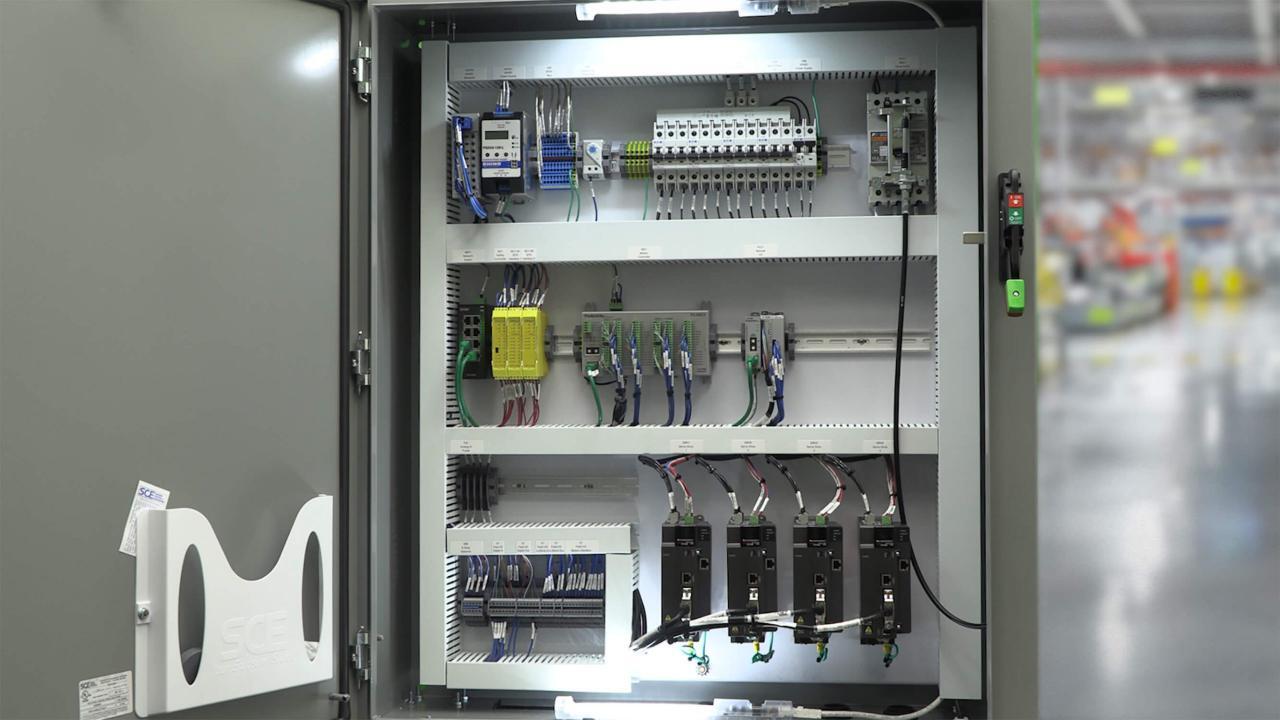
Maintaining the optimal temperature range is paramount for successful mushroom cultivation, directly impacting mycelial growth, fruiting body development, and overall yield. Consistent and accurate monitoring ensures that your efforts to heat or cool the grow room are effective and that the environment remains stable. This section will guide you through the essential tools and techniques for precisely controlling your mushroom grow room’s temperature.Accurate temperature monitoring devices are the cornerstone of effective grow room management.
Without reliable readings, any adjustments made to heating or cooling systems are essentially guesswork, potentially leading to suboptimal conditions that can stress your mushrooms or encourage undesirable contaminants. Investing in quality monitoring equipment provides the necessary feedback to make informed decisions and maintain the ideal microclimate for your specific mushroom species.
Reliable Thermometers and Hygrometers for Grow Rooms
Selecting the right temperature and humidity monitoring tools is crucial for capturing precise environmental data. For mushroom cultivation, it is recommended to use devices that offer accuracy and durability, capable of withstanding the humid conditions often found in grow environments.
- Digital Thermometers: These offer clear, easy-to-read displays and often have a wider temperature range and greater accuracy than analog counterparts. Many digital thermometers also include features like minimum/maximum temperature logging, which is invaluable for understanding temperature fluctuations over time.
- Hygrometers: Essential for measuring relative humidity, which is as critical as temperature for mushroom growth. Similar to thermometers, digital hygrometers provide precise readings and are often integrated into combination temperature and humidity units.
- Combination Thermometer/Hygrometers: These devices offer a convenient all-in-one solution, displaying both temperature and humidity levels simultaneously. Look for models with data logging capabilities to track environmental trends.
- Data Loggers: For advanced monitoring, data loggers record temperature and humidity at set intervals, allowing for detailed analysis of environmental stability and the identification of patterns or issues that might not be apparent from spot readings.
Digital Thermostats and Humidistats
Digital thermostats and humidistats are sophisticated control devices that automate the regulation of temperature and humidity within your grow room. They take the guesswork out of environmental control by actively managing your heating, cooling, and humidification/dehumidification equipment based on pre-set parameters.The primary function of a digital thermostat is to maintain a specific temperature range. You set a target temperature or a narrow range (e.g., 70-75°F), and the thermostat will automatically turn on or off your heating or cooling devices to keep the environment within those limits.
This proactive approach prevents drastic temperature swings that can be detrimental to mushroom development. Similarly, a digital humidistat controls the humidity level, activating humidifiers when levels drop too low and dehumidifiers or ventilation when they rise too high.The benefits of using these devices are numerous:
- Precise Environmental Control: They ensure a stable and consistent microclimate, ideal for promoting healthy mycelial growth and fruiting.
- Energy Efficiency: By only activating heating or cooling when necessary, they can significantly reduce energy consumption compared to manual adjustments.
- Reduced Labor: Automation frees up your time, as you no longer need to constantly monitor and manually adjust environmental controls.
- Prevention of Stress: Consistent conditions minimize environmental stress on your mushrooms, leading to better yields and healthier specimens.
Calibrating Temperature Monitoring Equipment
Even the most accurate monitoring equipment can drift over time, necessitating periodic calibration to ensure reliable readings. Proper calibration guarantees that the data you are collecting accurately reflects the environmental conditions in your grow room.To calibrate a thermometer, you can use a known temperature reference. A simple and effective method involves using ice water.
- Fill a clean container with ice cubes.
- Add a small amount of water to create a slurry.
- Insert the thermometer probe into the ice-water mixture, ensuring it does not touch the sides or bottom of the container.
- Allow the thermometer to stabilize for at least two minutes.
- A properly calibrated thermometer should read 32°F (0°C) in this ice-water slurry. If there is a significant deviation, note the difference. Some digital thermometers allow for offset adjustments to correct for minor inaccuracies.
For hygrometers, calibration is often done using a salt test.
- You will need a sealed container (like a zip-top bag or a plastic tub with a lid), a small dish or cap, and a saturated salt solution. A common solution is made by mixing table salt (sodium chloride) with distilled water until no more salt will dissolve.
- Place the small dish containing the saturated salt solution inside the sealed container.
- Place the hygrometer inside the sealed container as well, ensuring it does not come into contact with the salt solution.
- Seal the container tightly and let it sit undisturbed for at least 6-8 hours, or preferably overnight.
- After the equilibration period, the relative humidity inside the sealed container should be approximately 75% at room temperature. Check your hygrometer’s reading. If it deviates significantly from 75%, note the difference. Some digital hygrometers have calibration functions that allow you to adjust the reading.
Regular calibration is key to maintaining the integrity of your environmental data.
Setting Up a Thermostat to Maintain a Target Temperature Range
Setting up a digital thermostat to maintain a specific temperature range is a straightforward process that ensures your grow room remains within the optimal parameters for your mushroom species. The goal is to establish a “deadband” or differential, which is the temperature range within which the thermostat will operate.Here’s a general guide on how to set up a thermostat:
- Identify Your Target Temperature Range: Consult the cultivation guide for your specific mushroom species to determine the ideal temperature range for both the colonization and fruiting stages. For example, many species thrive between 70-75°F (21-24°C) during colonization and may prefer a slightly cooler range for fruiting.
- Connect the Thermostat to Your Heating/Cooling Device: Follow the manufacturer’s instructions to wire your thermostat to your chosen heating element (e.g., heat mat, space heater) or cooling device (e.g., fan, air conditioner). Ensure the thermostat is placed in a location that accurately reflects the ambient temperature of the grow room, away from direct heat sources or drafts.
- Set the “On” and “Off” Temperatures: This is where you define your target range. For instance, if your ideal range is 70-75°F:
- For Heating: Set the thermostat to turn the heater ON when the temperature drops below 70°F and OFF when it reaches 75°F.
- For Cooling: Set the thermostat to turn the fan/AC ON when the temperature rises above 75°F and OFF when it drops to 70°F.
- Test the System: After setting the parameters, monitor the temperature closely for a few hours to ensure the thermostat is cycling your equipment correctly and maintaining the desired range. Make minor adjustments as needed.
- Consider a Programmable Thermostat: For more advanced control, programmable thermostats allow you to set different temperature ranges for different times of the day or for specific stages of mushroom growth, offering even greater precision.
By carefully setting up and monitoring your thermostat, you create a stable and predictable environment that supports vigorous mushroom growth and maximizes your cultivation success.
Advanced Temperature Control Strategies
While basic heating and cooling methods are essential, achieving optimal mushroom growth often requires a more nuanced approach to temperature management. This section delves into advanced strategies that ensure precise and uniform temperature distribution, crucial for maximizing yields and preventing cultivation issues. Understanding and implementing these techniques can elevate your mushroom cultivation from a hobby to a professional endeavor.
Temperature Stratification in Grow Environments
Temperature stratification refers to the phenomenon where different layers within a grow tent or room exhibit distinct temperature variations. This occurs due to natural convection, where warmer air rises and cooler air sinks, leading to warmer zones at the top and cooler zones at the bottom. This uneven distribution can negatively impact mycelial growth and fruiting, as different areas experience suboptimal conditions.
For instance, the top of a grow tent might become too warm, inhibiting pinhead formation, while the bottom remains too cool, slowing down overall development.
Achieving Uniform Temperature Distribution
Creating a consistent temperature throughout your grow space is paramount. This involves actively moving air to break down thermal layers and ensure an even environment for your mushrooms. The goal is to eliminate hot and cold spots, providing a stable climate that supports vigorous and consistent growth.
- Consistent Airflow: Regular circulation of air is the most fundamental method. This can be achieved through the strategic placement of fans.
- Fan Placement: Position fans to create a gentle, continuous breeze that circulates air from floor to ceiling and across all surfaces. Avoid directing fans directly at your substrate or developing mushrooms, as this can cause drying.
- Exhaust Fan Integration: The exhaust fan, when properly sized and timed, plays a critical role in temperature regulation by removing stale, warm air and drawing in fresh, cooler air.
- Monitoring at Multiple Points: Utilize multiple thermometers or sensors placed at different heights within the grow space to accurately gauge temperature stratification and identify any remaining inconsistencies.
Inline Fans and Ducting for Air Circulation
Inline fans and ducting are sophisticated tools for managing air circulation and temperature within enclosed grow spaces. They allow for controlled intake and exhaust of air, facilitating precise environmental control and enabling the transport of conditioned air to specific areas.
- Functionality: Inline fans are powerful fans designed to be installed within ductwork. They efficiently move large volumes of air, creating positive or negative pressure within the grow tent or room. Ducting, typically made of flexible or rigid material, connects these fans to intake and exhaust points, guiding airflow.
- Temperature Uniformity: By strategically placing intake and exhaust ports and using the inline fan to create a consistent air exchange rate, temperature stratification can be significantly reduced. The continuous movement of air prevents pockets of warm or cool air from forming. For example, an inline fan can be used to pull cooler air from a lower vent and push it upwards, circulating it throughout the grow tent.
- Humidity Management: Beyond temperature, this system is also crucial for humidity control, as it facilitates the removal of excess moisture and the introduction of fresh air.
- Noise Reduction: When used with silencers and properly insulated ducting, inline fan systems can also help to mitigate noise associated with ventilation.
Designing a Multi-Zone Temperature Control System
For larger cultivation spaces or commercial operations, a multi-zone temperature control system offers the highest level of precision. This approach divides the growing area into distinct zones, each with its own independent temperature regulation capabilities.
- Zoning Concept: The grow room is divided into several smaller, manageable sections, or “zones.” Each zone is equipped with its own dedicated heating, cooling, and ventilation equipment, allowing for tailored environmental conditions.
- Independent Control: Thermostats or environmental controllers are installed in each zone, monitoring temperature and humidity levels independently. These controllers then activate the specific heating or cooling devices within that zone to maintain the set parameters.
- Benefits: This system is particularly advantageous for growing different mushroom species with varying temperature requirements simultaneously. It also allows for micro-adjustments to address localized environmental fluctuations, ensuring optimal conditions across the entire facility. For instance, one zone might be set for incubation at 75°F (24°C), while another, dedicated to fruiting, is maintained at 65°F (18°C).
- Complexity and Cost: While offering superior control, multi-zone systems are more complex and require a larger initial investment in equipment and installation.
Passive Cooling Techniques Versus Active Cooling Solutions
The choice between passive and active cooling methods depends on the scale of your operation, environmental conditions, and budget. Both have their advantages and disadvantages in maintaining the ideal temperature for mushroom cultivation.
- Passive Cooling: These methods rely on natural processes and do not require electricity to operate. They are often simpler and more energy-efficient but offer less precise control.
- Examples:
- Shading: Preventing direct sunlight from entering the grow room by using reflective materials or blackout curtains.
- Natural Ventilation: Opening vents or windows to allow for the exchange of air with the outside environment, especially during cooler parts of the day.
- Evaporative Cooling (limited): While often considered active, simple methods like placing open containers of water can contribute to a slight cooling effect through evaporation.
- Advantages: Low cost, energy efficient, quiet operation.
- Disadvantages: Limited effectiveness in hot climates, less precise control, dependent on external conditions.
- Examples:
- Active Cooling: These methods utilize powered equipment to actively reduce the temperature within the grow space. They provide more robust and precise temperature control.
- Examples:
- Air Conditioners (AC Units): Window units, portable ACs, or split systems designed to lower ambient air temperature.
- Refrigeration Systems: More sophisticated systems used in larger commercial setups to maintain very specific temperature ranges.
- Chilled Water Systems: Circulating chilled water through coils in the grow room to absorb heat.
- Inline Fans with Air Conditioning Units: Using inline fans to draw air through an AC unit and into the grow tent.
- Advantages: High effectiveness, precise temperature control, ability to overcome external heat.
- Disadvantages: Higher cost, energy consumption, potential for noise, requires maintenance.
- Examples:
Environmental Factors Influencing Temperature
Understanding the environmental factors that influence your mushroom grow room’s temperature is crucial for maintaining optimal conditions. External and internal elements can significantly impact your ability to regulate the climate, requiring proactive adjustments to your heating and cooling strategies.
Ambient External Temperatures
The temperature outside your grow room has a direct correlation with the effort required to maintain your desired internal climate. During extreme weather, whether it’s a scorching summer day or a frigid winter night, your heating or cooling systems will work harder and consume more energy to counteract the external influence. For instance, a grow room located in an uninsulated shed in a desert climate will experience much higher temperature fluctuations compared to a room in a climate-controlled basement in a temperate region.
This necessitates a robust insulation strategy and potentially more powerful HVAC systems to compensate for significant temperature gradients.
Lighting Types and Heat Generation
Different types of lighting used in mushroom cultivation generate varying amounts of heat, which directly impacts the grow room’s internal temperature. High-intensity discharge (HID) lamps, such as High-Pressure Sodium (HPS) and Metal Halide (MH) bulbs, are known for producing substantial heat. This heat output can necessitate increased cooling efforts to prevent overheating. In contrast, Light Emitting Diode (LED) grow lights are significantly more energy-efficient and produce much less heat.
While LEDs are a more sustainable option, their lower heat output might require supplemental heating in cooler environments to maintain the ideal temperature range for certain mushroom species. For example, a room using HPS lights might need an exhaust fan running at a higher capacity during the “lights on” period, whereas a room with LEDs might require a small space heater to maintain consistent temperatures during the “lights off” period.
Substrate Moisture Content and Temperature Regulation
The moisture content of your mushroom substrate plays a surprisingly significant role in temperature regulation within the grow room. As the substrate dries out, it becomes more susceptible to external temperature fluctuations. A well-hydrated substrate acts as a thermal buffer, absorbing some of the ambient heat and releasing it slowly, thus moderating temperature swings. Conversely, a dry substrate offers little thermal resistance, allowing heat to dissipate or penetrate more easily.
This is particularly relevant during the colonization phase when substrates are often kept at higher moisture levels. For example, a substrate that has begun to dry prematurely might lead to localized hot spots within the grow bags or trays, negatively impacting mycelial growth.
Humidity Levels and Temperature Interaction
Humidity and temperature are intrinsically linked, and their interaction can significantly influence the perceived and actual temperature within your grow room. High humidity levels can make warmer temperatures feel even hotter, creating a less hospitable environment for both the cultivator and the mushrooms. Conversely, in cooler conditions, high humidity can lead to condensation, which can foster the growth of unwanted molds and bacteria.
The dew point, the temperature at which air becomes saturated with water vapor and condensation forms, is a critical factor. For instance, if your grow room is maintained at 75°F with 90% humidity, the air feels much warmer and more oppressive than 75°F with 60% humidity. Managing both factors in tandem is essential for a healthy grow.
External Influences Requiring Adjustments
Several external influences can necessitate adjustments to your grow room’s heating or cooling systems. These can range from seasonal weather patterns to the presence of other heat-generating equipment in the vicinity.
- Seasonal Weather Changes: Significant shifts in outside temperature, such as the onset of summer heatwaves or winter cold snaps, will require corresponding adjustments to your HVAC system’s setpoints and operational cycles.
- Sunlight Exposure: Direct sunlight entering the grow room, even through windows, can drastically increase internal temperatures. Shading or blackout curtains are often necessary to mitigate this effect.
- Adjacent Heat Sources: Equipment located near the grow room, such as computers, refrigerators, or other grow tents, can contribute to the ambient temperature, requiring your cooling system to work harder.
- Ventilation System Performance: The efficiency of your intake and exhaust fans is directly influenced by external air conditions. For example, drawing in hot outside air will require more cooling capacity within the room.
- Building Insulation: The quality of insulation in the walls, ceiling, and floor of your grow room significantly impacts how well it retains conditioned air, affecting the workload of your climate control systems.
Troubleshooting Common Temperature Issues
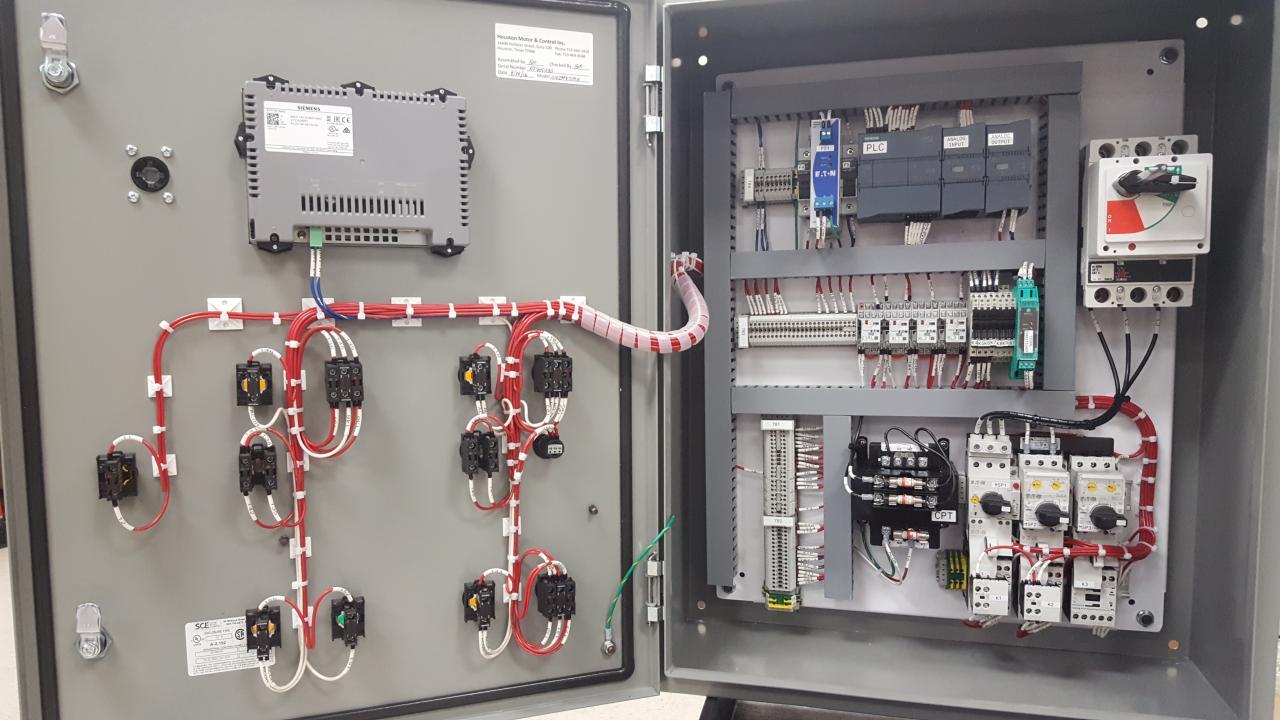
Maintaining the optimal temperature range is crucial for successful mushroom cultivation. However, growers may encounter unexpected fluctuations that can negatively impact their harvest. This section provides practical guidance on identifying and resolving common temperature-related problems in your mushroom grow room.Addressing temperature anomalies requires a systematic approach. By following a structured diagnostic process, you can pinpoint the root cause of the issue and implement effective solutions to restore a stable and conducive environment for your mushrooms.
Diagnosing Sudden Temperature Drops or Spikes
Sudden changes in grow room temperature can be alarming, but a methodical investigation can quickly reveal the cause. Begin by observing the pattern of the fluctuation and cross-referencing it with any recent changes or events.A step-by-step procedure for diagnosing sudden temperature drops or spikes involves:
- Immediate Observation: Note the exact temperature reading at the moment of the anomaly and the direction of the change (increase or decrease).
- Check Environmental Conditions: Assess external factors. Was there a sudden change in ambient temperature outside the grow room? Was a door or window left open?
- Review Equipment Status: Visually inspect your heating and cooling equipment. Are they running as expected? Are there any unusual noises or error indicators?
- Examine Airflow: Ensure that air circulation fans are functioning correctly and that vents are not obstructed. Blocked airflow can lead to localized temperature extremes.
- Verify Thermostat/Controller Settings: Double-check that the setpoint on your temperature controller has not been accidentally altered.
- Monitor Over Time: If the issue is intermittent, set up continuous monitoring to capture data when the problem occurs. This can help identify patterns.
Identifying and Resolving Malfunctioning Heating or Cooling Equipment
Faulty equipment is a frequent culprit behind temperature instability. A thorough inspection and testing process is essential to pinpoint and rectify these issues.To identify and resolve malfunctioning heating or cooling equipment:
- Visual Inspection: Look for any obvious signs of damage, such as frayed wires, leaks, or blockages in vents or filters.
- Operational Test: Manually activate the heating or cooling system to observe its performance. Listen for unusual sounds and check if it reaches the desired temperature.
- Check Power Supply: Ensure the equipment is receiving adequate power and that circuit breakers have not tripped.
- Filter Maintenance: Clogged filters in HVAC systems or fans can significantly reduce efficiency and cause temperature fluctuations. Clean or replace filters as per manufacturer recommendations.
- Sensor Calibration: Temperature sensors can become inaccurate over time. Calibrate or replace sensors if readings appear consistently off.
- Professional Servicing: For complex issues or if you are uncomfortable performing checks, consult a qualified HVAC technician or equipment specialist.
Strategies for Correcting Inconsistent Temperature Readings
Inconsistent temperature readings, where the thermometer shows rapid fluctuations or disagrees with the perceived room temperature, can be misleading and hinder effective control. Addressing these discrepancies is vital for accurate environmental management.Strategies for correcting inconsistent temperature readings include:
- Multiple Sensors: Deploying several calibrated temperature sensors in different locations within the grow room provides a more comprehensive picture of the actual temperature distribution.
- Sensor Placement: Ensure sensors are placed away from direct heat sources, cooling vents, or drafts that could skew readings. They should be positioned at the canopy level where mushrooms are growing.
- Calibration: Regularly calibrate your temperature sensors against a known accurate reference thermometer. This can often be done by adjusting a dial or setting on the sensor itself, or by using a calibration kit.
- Controller Settings: Verify that your temperature controller’s hysteresis (or deadband) is set appropriately. A too-narrow hysteresis can cause frequent cycling, leading to perceived inconsistency, while a too-wide setting can result in larger temperature swings.
- Data Logging: Utilize a data logger to record temperature over time. This can reveal subtle fluctuations that might be missed with manual checks and help identify patterns of inconsistency.
Methods for Addressing Temperature Imbalances Between Different Areas of the Grow Room
Uneven temperature distribution within a grow room can lead to varying growth rates and even affect the health of your mycelium. This imbalance often stems from inadequate airflow or the placement of heating/cooling elements.Methods for addressing temperature imbalances between different areas of the grow room include:
- Enhanced Air Circulation: Install additional oscillating fans or strategically reposition existing ones to ensure air moves evenly throughout the entire space. Aim for gentle, consistent airflow that mixes the air without creating direct drafts on the mushrooms.
- Ventilation System Optimization: If using a ducted ventilation system, ensure that the ductwork is designed to distribute air equally to all zones. Check for any obstructions or leaks in the ducts.
- Strategic Placement of Heating/Cooling: Position heating elements (like heat mats or small space heaters) and cooling sources (like fans drawing in cooler air or exhaust fans) to promote a more uniform temperature. Avoid placing them directly above or below sensitive areas.
- Insulation and Sealing: Ensure the grow room is well-insulated and sealed to prevent heat loss or gain from the exterior. Drafts from gaps in walls, doors, or windows can create significant temperature differences.
- Zoning (Advanced): For larger or more complex grow rooms, consider implementing zoning with separate temperature control for distinct areas, though this is a more advanced setup.
Checklist for Regular Maintenance of Temperature Control Systems
Proactive maintenance is the most effective strategy for preventing temperature issues and ensuring the longevity of your control systems. A regular maintenance schedule helps identify potential problems before they escalate.A checklist for regular maintenance of temperature control systems includes:
Daily Checks:
- Visually inspect all heating and cooling equipment for unusual noises or operational anomalies.
- Check thermostat/controller display for any error codes or unexpected readings.
- Verify airflow from fans and ventilation outlets.
Weekly Checks:
- Clean or replace air filters in HVAC units and fans.
- Wipe down temperature sensors to ensure accuracy.
- Inspect wiring for any signs of wear or damage.
Monthly Checks:
- Test the functionality of both heating and cooling systems to ensure they are operating within their expected parameters.
- Calibrate temperature sensors against a reliable reference.
- Check and tighten any loose connections on equipment.
Quarterly/Bi-Annual Checks:
- Deep clean heating and cooling units, removing dust and debris.
- Inspect ductwork for leaks or blockages (if applicable).
- Consider professional servicing for complex systems to ensure optimal performance and safety.
Energy Efficiency and Cost-Saving Tips

Maintaining the ideal temperature in your mushroom grow room is crucial for successful cultivation, but it doesn’t have to come with an exorbitant energy bill. By implementing smart strategies and making informed choices, you can significantly reduce energy consumption and save money without compromising your grow. This section focuses on practical, cost-effective methods to achieve optimal temperatures efficiently.Effective insulation is the cornerstone of any energy-efficient grow room.
It acts as a barrier, preventing your carefully regulated temperature from escaping into the surrounding environment, whether you’re trying to keep it warm or cool. This means your heating and cooling systems won’t have to work as hard, leading to substantial energy savings.
Insulation Strategies for Temperature Retention
Proper insulation minimizes heat transfer, keeping your grow room at the desired temperature for longer periods. This reduces the frequency and duration your heating or cooling equipment needs to operate, directly impacting energy usage and costs.
Effective insulation involves addressing all potential points of heat loss or gain:
- Walls: Use materials with a high R-value, such as rigid foam boards (polystyrene or polyisocyanurate) or spray foam insulation. For existing structures, consider adding a layer of insulation within the wall cavities.
- Ceiling: The ceiling is a significant area for heat loss in cooler climates and heat gain in warmer ones. Insulate generously with fiberglass batts, mineral wool, or blown-in cellulose.
- Floor: If your grow room is on a concrete slab, insulating underneath can prevent significant heat loss. Rigid foam boards are a good option here. For raised floors, ensure adequate insulation is installed between the joists.
- Doors and Windows: These are common weak points. Ensure doors are well-sealed with weatherstripping. If windows are present, consider double or triple-paned glass, or use insulated window coverings. For dedicated grow rooms, minimizing or eliminating windows is often the most energy-efficient approach.
- Air Sealing: Beyond bulk insulation, meticulously seal any gaps, cracks, or openings where air can infiltrate or escape. Use caulk, expanding foam, and weatherstripping to create an airtight envelope.
Optimizing Heating and Cooling Equipment Use
The efficiency of your heating and cooling equipment plays a vital role in energy consumption. By using them strategically, you can achieve the desired temperature with minimal energy expenditure.
Here are key strategies for optimizing equipment usage:
- Right-Sizing Equipment: Ensure your heater or cooler is appropriately sized for your grow room’s volume. An oversized unit will cycle on and off frequently, wasting energy, while an undersized unit will struggle to maintain the target temperature, running constantly.
- Regular Maintenance: Clean filters, coils, and vents on your HVAC systems. Dirty equipment works harder and consumes more energy. Schedule professional check-ups periodically.
- Zoning: If your grow room is part of a larger space, consider zoning to heat or cool only the area you need. This can be achieved with separate thermostats or by isolating the grow room.
- Ventilation Efficiency: While ventilation is necessary, ensure it’s managed efficiently. Use inline fans with variable speed controls to adjust airflow as needed, rather than running them at full power constantly. Consider heat recovery ventilators (HRVs) or energy recovery ventilators (ERVs) if you have significant air exchange needs.
- Passive Heating/Cooling: In cooler months, leverage natural sunlight by positioning your grow room to receive sun exposure. In warmer months, utilize shading or reflective materials to minimize solar gain.
Benefits of Using Timers for Temperature Regulation
Timers are indispensable tools for automating and optimizing temperature control, leading to significant energy savings and consistent environmental conditions for your mushrooms.
The advantages of incorporating timers are manifold:
- Automated Control: Timers allow you to pre-set specific temperature ranges and durations for heating or cooling cycles. This eliminates the need for manual adjustments and ensures the environment remains stable, even when you’re not present.
- Reduced Energy Waste: By programming timers to operate heating or cooling equipment only when necessary, you prevent unnecessary energy consumption. For example, you can set a slightly wider temperature band during “off-peak” hours or when mycelial growth is less sensitive to minor fluctuations.
- Consistent Conditions: Mushrooms thrive on stability. Timers ensure that temperature fluctuations are minimized, providing a consistent environment that supports optimal growth and reduces stress on the mycelium. This can lead to healthier, more robust flushes.
- Simulated Day/Night Cycles: For certain stages of mushroom cultivation, mimicking natural day and night temperature shifts can be beneficial. Timers can be programmed to achieve these subtle changes automatically.
- Cost Savings: The direct result of reduced energy consumption is a lower electricity bill. Investing in timers is a low-cost solution with a high return on investment through energy savings.
“Timers transform your temperature control from a reactive task into a proactive, energy-saving system.”
Cost-Effective Solutions for Maintaining Optimal Temperatures
Achieving ideal growing conditions doesn’t require breaking the bank. Many affordable solutions can significantly contribute to maintaining stable temperatures efficiently.
Here are several cost-effective approaches:
- Smart Power Strips: These can be used in conjunction with timers to control multiple devices, ensuring they only draw power when needed.
- Reflective Insulation: Bubble wrap with a reflective foil backing can be a budget-friendly way to add an insulating layer to walls and ceilings, reflecting heat back into the room.
- DIY Air Sealing: Use readily available materials like caulk, foam sealant, and weatherstripping to seal drafts around doors, windows, and any penetrations in your grow room’s structure.
- Used Equipment: Consider purchasing gently used heating or cooling equipment from reputable sources. Ensure it’s in good working condition before purchasing.
- Insulated Tarps/Blankets: For temporary or smaller setups, heavy-duty insulated tarps or blankets can be used to wrap around grow tents or equipment to help retain heat.
- Ventilation Management: Instead of relying solely on active cooling, explore passive ventilation options like strategically placed vents that can be opened or closed to regulate airflow and temperature.
Simple Budget for Essential Temperature Control Equipment
Creating a basic budget helps in planning your investments for effective and efficient temperature control. This sample budget is for a small to medium-sized grow room and can be adjusted based on your specific needs and local pricing.
| Equipment | Estimated Cost Range (USD) | Notes |
|---|---|---|
| Digital Thermostat with Timer Function | $20 – $75 | Essential for automated control and energy savings. |
| Small Space Heater (Ceramic or Oil-Filled) | $30 – $100 | Choose one with an adjustable thermostat. |
| Small Fan (for air circulation) | $15 – $50 | Crucial for even temperature distribution. |
| Insulation Materials (e.g., Rigid Foam Board or Fiberglass Batts) | $50 – $200 (depending on room size) | For walls, ceiling, and floor. |
| Caulk and Weatherstripping | $10 – $30 | For sealing air leaks. |
| Hygrometer/Thermometer (for monitoring) | $10 – $30 | A reliable secondary measurement device. |
| Total Estimated Budget: | $135 – $485 | This is a baseline; costs can vary significantly. |
Closure
By diligently applying the principles of temperature control discussed herein, you will be well-equipped to cultivate a thriving mushroom environment. From selecting the right equipment to implementing advanced strategies and understanding external influences, this guide provides a holistic approach to achieving consistent and successful mushroom harvests. Embrace these techniques to unlock the full potential of your grow room and enjoy the rewards of your meticulous efforts.