Embarking on the journey of mushroom cultivation requires a keen understanding of the environment your delicate fungi thrive in. At the heart of successful growth lies the critical element of clean air, a factor often underestimated but profoundly impactful. This guide delves into the essential techniques and considerations for ensuring your mushroom cultures are shielded from the myriad of airborne contaminants that can threaten their development.
We will explore the fundamental importance of air filtration, detailing the common threats posed by microscopic particles and volatile organic compounds. Understanding these risks is the first step toward safeguarding your mycelial networks and optimizing both the yield and quality of your harvest. From identifying the right filtration components to designing systems tailored for various scales of cultivation, this comprehensive overview aims to equip you with the knowledge to create an optimal growing environment.
Understanding the Importance of Air Filtration for Mushroom Cultures
The successful cultivation of mushrooms hinges significantly on maintaining a pristine environment, and paramount among these environmental factors is the quality of the air supplied to your growing cultures. Mycelium, the vegetative part of a fungus, is incredibly sensitive to its surroundings, and introducing clean, filtered air is not merely a best practice but a fundamental requirement for healthy growth, robust yields, and superior mushroom quality.
Unfiltered air carries a multitude of microscopic threats that can undermine your efforts before they even become visible.Airborne contaminants are ubiquitous and diverse, posing a constant challenge to the delicate balance required for mushroom development. These microscopic invaders can originate from various sources, both inside and outside your cultivation space. Understanding these contaminants is the first step in effectively mitigating their impact.
Common Airborne Contaminants in Mushroom Cultivation
Several types of airborne particles can jeopardize your mushroom cultures. These contaminants compete with the mycelium for nutrients, introduce diseases, or physically impede growth.
- Bacterial Spores: Bacteria are prolific in most environments and release spores that are easily dispersed through the air. These can quickly colonize mushroom substrates, outcompeting the mycelium and leading to contamination, often manifesting as slimy or discolored patches on the substrate.
- Mold Spores: Various species of mold, including common household molds and specialized molds that target fungi, release microscopic spores. These spores can infect mushroom cultures, leading to a range of issues from slow growth and stunted development to outright culture death. Green, blue, or black fuzzy patches are typical visual indicators of mold contamination.
- Fungal Contaminants: Beyond the molds that directly compete with mushroom mycelium, other wild fungi can also contaminate cultures. These can range from harmless saprophytic fungi that simply consume available nutrients to more aggressive parasitic fungi that can attack the developing mushroom fruiting bodies.
- Dust and Particulates: General dust, including organic debris, fabric fibers, and skin cells, can harbor microorganisms. These particulates can physically block the pores of substrates, reduce gas exchange, and provide a landing ground for more harmful contaminants.
- Insects and Mites: While not strictly airborne in the same way as spores, microscopic insect eggs and mites can be carried on air currents or introduced through inadequate sealing of the cultivation area. These can cause direct damage to mycelium and developing mushrooms.
Negative Impacts of Unfiltered Air on Mushroom Yield and Quality
The presence of airborne contaminants directly translates into tangible losses for the cultivator. The effects are not limited to the aesthetic appearance of the mushrooms but extend to their overall viability and marketability.
- Reduced Yield: Contamination by competing microorganisms diverts nutrients and energy away from the intended mushroom mycelium, leading to significantly lower yields. In severe cases, an entire flush can be lost.
- Poor Fruitbody Development: Unfiltered air can cause malformed or stunted mushrooms. This can manifest as small, misshapen caps, stunted stems, or a complete failure to fruit.
- Decreased Potency and Flavor: For gourmet or medicinal mushrooms, the quality of the final product is paramount. Contaminants can alter the biochemical pathways of the mushroom, potentially reducing its desired compounds, flavor profile, or texture.
- Increased Susceptibility to Disease: Mycelium weakened by competition or stress from environmental factors is more vulnerable to further pathogenic attacks, creating a downward spiral of declining culture health.
- Complete Culture Loss: In the most severe scenarios, widespread contamination from unfiltered air can lead to the complete death of a mushroom culture, resulting in the loss of time, resources, and potential profit.
Specific Vulnerabilities of Different Mushroom Species to Air Quality
While all mushroom cultures benefit from clean air, some species exhibit a heightened sensitivity to airborne contaminants due to their specific growth habits, substrate preferences, and genetic makeup.
- Oyster Mushrooms (Pleurotus spp.): These are generally robust growers but can be susceptible to bacterial contamination, which can cause slimy, foul-smelling growths on the substrate. Their rapid colonization can also make them vulnerable to being outcompeted by faster-growing molds if the environment is not sterile.
- Shiitake Mushrooms (Lentinula edodes): Shiitake mycelium is known for its slower colonization compared to some other species. This slower pace makes it more susceptible to being overtaken by aggressive contaminants like Trichoderma mold during the colonization phase.
- Lion’s Mane Mushrooms (Hericium spp.): These delicate mushrooms require very clean air during the fruiting stage. Poor air quality can lead to malformed fruiting bodies, often appearing stringy or stringy rather than dense and club-like.
- Psilocybe Mushrooms: For many hobbyists and researchers cultivating species within the Psilocybe genus, maintaining sterile conditions is absolutely critical. These species are often grown on nutrient-rich agar or grain, which are prime targets for a wide array of contaminants, making stringent air filtration non-negotiable.
- Medicinal Mushrooms (e.g., Reishi, Cordyceps): The cultivation of high-value medicinal mushrooms often demands exceptionally clean environments to ensure the purity and potency of the active compounds. Contamination can not only reduce yield but also compromise the therapeutic efficacy of the final product.
Identifying Essential Air Filtration Components
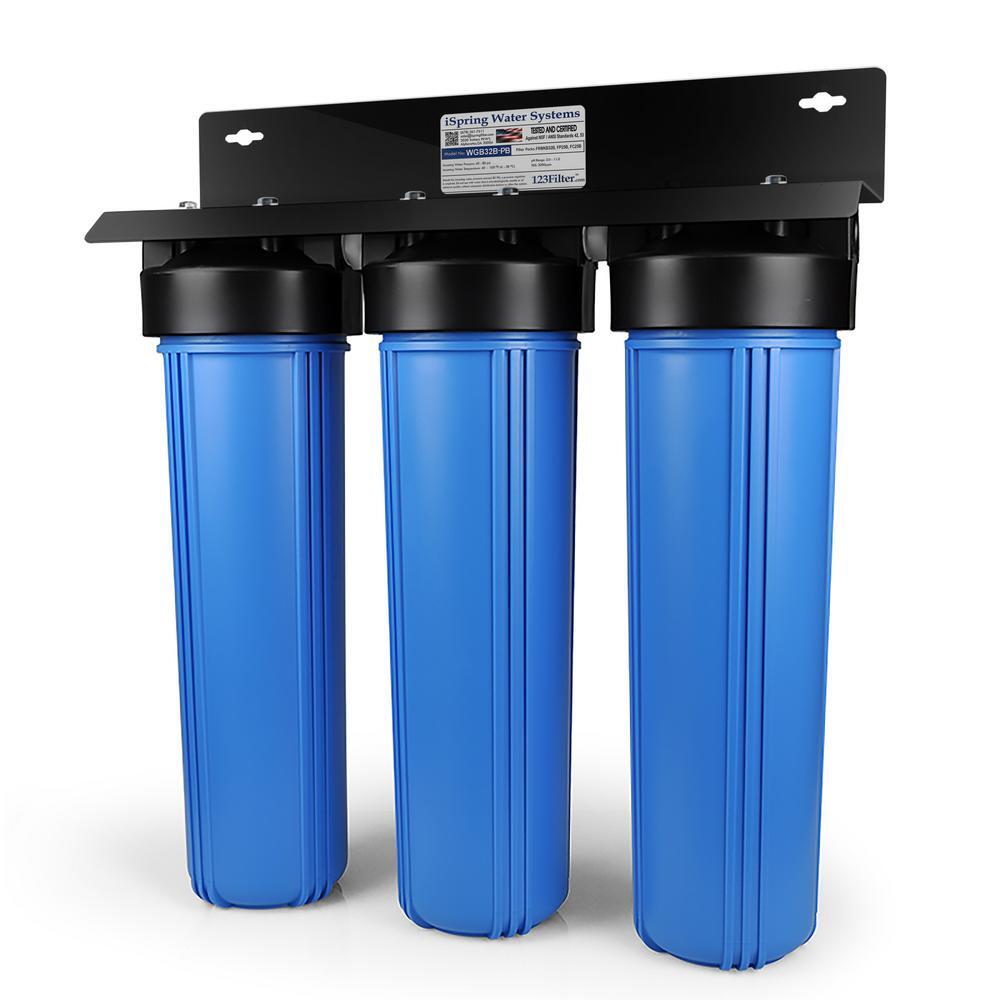
Selecting the right air filtration components is paramount for creating a pristine environment for your mushroom cultures. This involves understanding the different types of filters available, their specific functions, and how they work in synergy to maintain optimal air quality. A well-chosen filtration system acts as a robust defense against airborne contaminants that can compromise your cultivation’s success.The effectiveness of your filtration system hinges on the careful selection and integration of its individual components.
Each plays a crucial role in purifying the air, from removing large debris to trapping the smallest microbial spores. Understanding these components will empower you to make informed decisions that safeguard your valuable mushroom cultures.
Primary Types of Filters for Mushroom Cultivation
Different stages of mushroom cultivation may benefit from specific types of filtration. However, a comprehensive system typically incorporates a combination of filters to address a broad spectrum of airborne impurities. The primary categories of filters suitable for mushroom cultivation environments are mechanical filters, which physically trap particles, and adsorptive filters, which chemically remove gases and odors.
- Mechanical Filters: These filters work by forcing air through a dense medium that captures particulate matter. The effectiveness is often measured by the percentage of particles of a specific size that are removed.
- Adsorptive Filters: These filters utilize materials with a high surface area to attract and hold gas molecules and volatile organic compounds (VOCs).
Functionality of HEPA Filters
High-Efficiency Particulate Air (HEPA) filters are a cornerstone of sterile air environments, and their role in mushroom cultivation is indispensable. These filters are engineered to capture an exceptionally high percentage of microscopic particles that can threaten delicate mushroom mycelium and fruiting bodies. Their design ensures that even the smallest airborne threats are effectively removed from the air supply.A HEPA filter is defined by its ability to remove at least 99.97% of airborne particles 0.3 micrometers (µm) in diameter.
This specific size is considered the most penetrating particle size (MPPS), meaning particles both larger and smaller are captured with even greater efficiency. This rigorous standard makes HEPA filters ideal for removing common contaminants such as:
- Bacterial spores
- Fungal spores (including those from competing molds)
- Dust mites
- Pollen
- Viruses
- Other microscopic debris
By consistently removing these particles, HEPA filters create a significantly cleaner air environment, reducing the risk of contamination and promoting healthy growth for your mushroom cultures.
Activated Carbon Filters for Odors and VOCs
While HEPA filters excel at removing solid particles, activated carbon filters are specifically designed to address gaseous contaminants, including unpleasant odors and volatile organic compounds (VOCs). These filters are crucial for maintaining a neutral and healthy atmosphere within the cultivation space, preventing the buildup of substances that could negatively impact mushroom development or introduce unwanted scents.Activated carbon is a highly porous material that has been treated to increase its surface area exponentially.
This vast surface area allows it to adsorb, or attract and hold, gas molecules onto its surface. This process is highly effective against a wide range of airborne chemicals.The effectiveness of activated carbon filters in mushroom cultivation can be attributed to their ability to remove:
- Ammonia, which can be produced by decaying organic matter or microbial activity.
- Terpenes and other aromatic compounds released by some fungi, which can be overpowering or indicate imbalances.
- VOCs emitted from building materials, cleaning agents, or cultivation substrates, which can be toxic to delicate mycelium.
- General odors that can indicate the presence of unwanted microbial growth or anaerobic conditions.
By integrating activated carbon filters, you ensure that not only are particles removed, but also the invisible chemical threats and malodors that can signal underlying issues.
Importance of Pre-Filters
Pre-filters are an often-overlooked but critically important component of any multi-stage air filtration system. Their primary function is to capture larger particles before they reach the more sensitive and expensive main filters, such as HEPA and activated carbon filters. This strategic placement significantly extends the lifespan and maintains the efficiency of the primary filtration media.The role of pre-filters is to act as the first line of defense against the bulk of airborne debris.
This includes:
- Larger dust particles
- Hair and fibers
- Insects
- Other macroscopic contaminants
By removing these larger particles, pre-filters prevent them from clogging the finer pores of HEPA and activated carbon filters. This reduction in clogging means that the main filters can operate more efficiently for longer periods, requiring less frequent replacement. Consequently, this leads to cost savings and a more consistent level of air purification over time. Pre-filters are typically made of less expensive materials and are designed for easy and frequent cleaning or replacement.
Airflow Rates (CFM) and Filter Selection
The efficiency of an air filtration system is not solely determined by the quality of the filters themselves, but also by the volume of air that passes through them. Airflow rate, typically measured in Cubic Feet per Minute (CFM), is a critical factor in selecting the appropriate filters and fan for your mushroom cultivation environment. It dictates how quickly the air in your space is cycled and filtered.The significance of CFM in filter selection is multi-faceted:
- Coverage Area: A higher CFM rating indicates that the fan and filter system can process a larger volume of air, making it suitable for larger cultivation spaces or for achieving faster air exchange rates.
- Air Changes Per Hour (ACH): CFM directly influences the number of times the entire volume of air in your cultivation space is filtered within an hour. For sterile environments like mushroom cultivation, a higher ACH is generally desirable to minimize the chance of airborne contaminants settling. A common recommendation for sterile cultivation is to aim for 10-20 ACH.
- Filter Resistance: Filters, especially HEPA filters, create resistance to airflow. The fan must be powerful enough to overcome this resistance and move the desired volume of air. Selecting a fan with a CFM rating that accounts for the resistance of your chosen filters is essential for optimal performance.
To determine the required CFM, you can use the following formula:
CFM = (Cultivation Space Volume in cubic feet) x (Desired Air Changes per Hour) / 60 (minutes per hour)
For example, a 100 cubic foot grow tent aiming for 15 ACH would require a fan with a minimum CFM of:
CFM = (100 cubic feet) x (15 ACH) / 60 = 25 CFM
However, it is often advisable to select a fan with a CFM rating that is at least 25-50% higher than the calculated minimum to account for filter loading and other inefficiencies, ensuring a consistent and effective level of air purification.
Designing Filtration Systems for Different Cultivation Scales
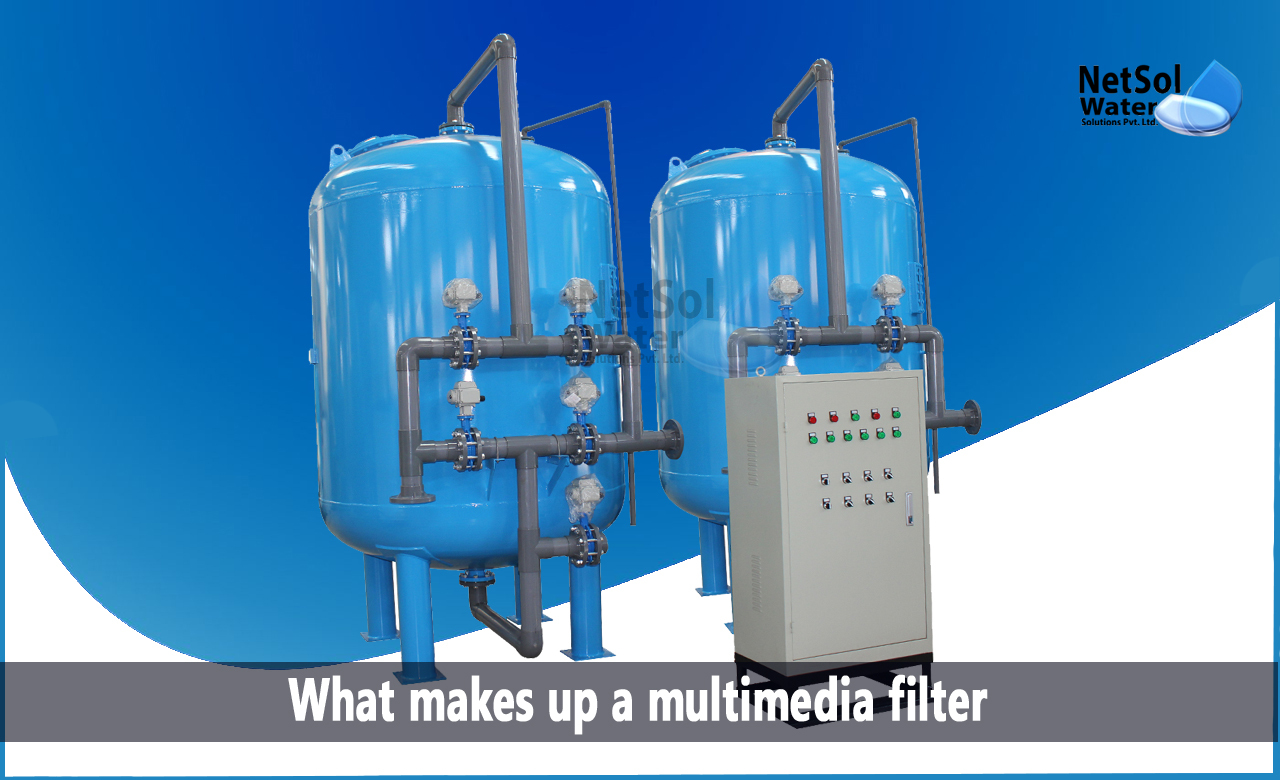
As we move beyond understanding the fundamentals of air filtration for mushroom cultures, it’s crucial to tailor these systems to the specific needs and scale of your cultivation operation. Whether you’re a hobbyist nurturing a few tubs in a spare room or a commercial grower managing vast quantities of substrate, an appropriately designed filtration system is paramount for success. This section will explore practical approaches to designing and implementing filtration strategies across various cultivation scales, from simple setups to complex commercial operations.
The effectiveness of your filtration system directly correlates with the health and productivity of your mushroom cultures. By carefully considering the scale of your operation, the type of mushrooms you are cultivating, and the environmental conditions, you can design a system that minimizes contamination risks and optimizes growth. We will delve into practical designs, integration strategies, and the important concept of pressure control within your grow space.
Basic Filtration Setup for a Small Home Hobbyist Grow Tent
For the home hobbyist working with a small grow tent, the primary goal is to provide a clean air environment without excessive cost or complexity. These setups typically focus on preventing airborne contaminants from entering the tent while allowing for adequate gas exchange. The emphasis is on simplicity and effectiveness for a limited volume of air.
Components and Configuration:
- Inlet Filtration: A high-efficiency particulate air (HEPA) filter, often a furnace filter with a MERV 13 or higher rating, should be placed over the air intake. This physically traps spores, bacteria, and other particulate matter. For tents with active intake fans, the filter should be securely attached to the fan’s inlet.
- Outlet Ventilation: While not strictly filtration, controlled exhaust is essential. A simple inline fan connected to a duct can vent stale air. To prevent contaminants from escaping and potentially spreading spores into the home environment, a secondary HEPA filter can be attached to the exhaust duct outlet.
- Sealing: Ensure the grow tent is as airtight as possible to direct airflow through the filtration system. Any gaps or leaks will compromise the effectiveness of the filters.
- Fan Selection: Choose an inline fan with sufficient CFM (cubic feet per minute) to exchange the air volume of the tent at least once per minute, considering the static pressure resistance introduced by the filters.
Multi-Stage Filtration Strategy for a Larger Commercial Mushroom Farm
Commercial mushroom farms require robust, multi-stage filtration systems to manage the significant volumes of air involved and to maintain strict environmental controls across larger cultivation areas. These systems are designed to handle high airflow rates, remove a wide spectrum of contaminants, and ensure consistent air quality for optimal yields and product safety. The approach involves layering different filtration types to progressively clean the air.
System Design and Stages:
A typical multi-stage system for a commercial farm would include the following, often integrated into a central air handling unit (AHU) or a series of distributed units:
- Pre-filtration: This stage uses coarse filters (e.g., MERV 8) to capture larger particles like dust and debris. This protects the more expensive downstream filters from premature clogging, extending their lifespan and reducing operational costs.
- Intermediate Filtration: MERV 13 or higher filters are employed here to capture smaller airborne particles, including fungal spores and bacteria. These filters are critical for preventing contamination from entering the cultivation zones.
- HEPA Filtration: Absolute HEPA filters (rated for 99.97% of particles 0.3 microns and larger) are typically the final stage of filtration for critical areas, such as incubation rooms and fruiting chambers. This level of filtration is essential for safeguarding against the most challenging contaminants.
- Activated Carbon Filtration: In some cases, especially where specific odors or volatile organic compounds (VOCs) are a concern, activated carbon filters are incorporated. These filters adsorb gases and odors, contributing to a cleaner and more pleasant environment, and can also remove certain airborne chemicals.
- UV Sterilization: For an added layer of microbial control, some advanced systems may include UV-C germicidal lamps within the ductwork. These lamps kill airborne microorganisms as air passes through, further reducing the risk of contamination.
The entire system is managed by powerful, variable-speed fans that ensure consistent airflow and pressure control throughout the facility. Regular monitoring of filter pressure drop is essential to determine when filters need replacement.
Conceptual Blueprint for a DIY Air Filtration Unit
Creating a DIY air filtration unit offers a cost-effective solution for growers looking to build their own filtration system using readily available materials. The principle remains the same: forcing air through a filtering medium. This blueprint Artikels a modular approach that can be adapted to various needs.
Materials and Construction:
- Housing: A sturdy, airtight container is needed. Options include a plastic storage tote, a wooden box, or even a modified furnace filter housing. The size will depend on the fan and filter chosen.
- Fan: An inline duct fan or a box fan can be adapted. For inline fans, the housing will need to accommodate duct connections. For box fans, they can be mounted directly to one side of the housing.
- Filtration Media: MERV 13 furnace filters are a good starting point. Multiple filters can be used in series for enhanced filtration. For higher efficiency, a HEPA filter can be incorporated, though it will require a more powerful fan due to increased resistance.
- Sealing: Weatherstripping, duct tape, or silicone sealant should be used to ensure an airtight seal between the filter(s), the fan, and the housing. This prevents air from bypassing the filters.
- Assembly: Cut an opening in the housing for the filter(s) to attach securely. Mount the fan so it either draws air through the filter(s) and exhausts it, or draws air from the room and exhausts it through the filter(s). The former is generally more effective for intake filtration.
For example, a simple unit could be constructed by attaching a MERV 13 furnace filter to the intake of an inline fan using a duct adapter and sealing all connections with foil tape. This unit can then be positioned to draw air from outside the grow space and into the cultivation area.
Integrating Filtration into Existing Grow Room Infrastructure
Integrating filtration into an existing grow room requires careful planning to ensure it complements the current setup and enhances, rather than hinders, the environmental controls. The goal is to create a seamless airflow path that maximizes contaminant removal without negatively impacting temperature, humidity, or CO2 levels.
Integration Strategies:
- Positive Pressure Systems: To create a positive pressure environment, filtered fresh air is introduced into the grow room at a slightly higher rate than it is exhausted. This means the air leaving the room is typically filtered. Filtration units can be placed on the intake side of supply fans, pushing clean air into the room. The exhaust fan then vents air that has passed through the room’s environment, potentially with a less stringent filter or no filter if the primary concern is keeping contaminants out.
- Negative Pressure Systems: In a negative pressure setup, air is exhausted from the grow room at a higher rate than fresh air is supplied. This is often used to contain odors or prevent airborne contaminants from escaping the grow space. Filtration units are typically placed on the exhaust side, ensuring that any air leaving the room is filtered before it is released.
Fresh air intake can be passive or use a filter to clean incoming air.
- Recirculating Systems: For rooms where fresh air intake is limited or undesirable, filtration can be used to clean and recirculate the existing air. This involves placing a filter on the intake of a fan that circulates air within the room. While this helps remove contaminants, it does not provide fresh air for the mushrooms’ metabolic needs, so it must be combined with controlled fresh air exchange.
- Ducting and Placement: Ensure adequate ducting is used to connect filtration units to the grow room’s ventilation system. Placement should consider airflow patterns within the room and minimize noise and vibration. Filters should be accessible for regular maintenance and replacement.
For instance, in a grow tent with an existing exhaust fan, a HEPA filter can be added to the exhaust duct. If fresh air is passively drawn in through vents, a MERV 13 filter can be fitted over these vents to clean incoming air, creating a basic form of positive pressure.
Considerations for Creating Positive or Negative Pressure Environments Using Filtration
The manipulation of air pressure within a grow room, achieved through strategic use of filtration and ventilation, plays a critical role in contamination control and environmental stability. Understanding the principles of positive and negative pressure allows for targeted design to meet specific cultivation goals.
Positive Pressure Environment:
A positive pressure environment is characterized by slightly higher air pressure inside the grow room compared to the surrounding area. This is achieved by supplying more filtered fresh air than is being exhausted. The primary benefit is that it prevents unfiltered external air from entering the grow space, acting as a barrier against airborne contaminants.
- Filtration Role: Filtration is paramount on the intake side. All air entering the room must pass through a high-efficiency filter (e.g., HEPA) to ensure it is clean. Exhaust can be less filtered or unfiltered, as the outward flow of air prevents ingress.
- Benefits: Significantly reduces the risk of airborne contamination from the external environment, ideal for sterile cultivation stages like inoculation and incubation.
- Drawbacks: Can lead to higher energy consumption due to increased fan operation. May also lead to increased humidity if not properly managed, as humid air is pushed outwards.
- Example: In a sterile laboratory setting, all incoming air is HEPA filtered, and the room is maintained at a positive pressure to prevent any external contaminants from entering, ensuring the integrity of sensitive cultures.
Negative Pressure Environment:
A negative pressure environment has lower air pressure inside the grow room than in the surrounding area. This is achieved by exhausting more air than is being supplied. The main advantage is that it contains any airborne contaminants or odors within the grow space, preventing them from escaping into other areas or the external environment.
- Filtration Role: Filtration is critical on the exhaust side. All air leaving the room must pass through a robust filter (e.g., HEPA or activated carbon for odor control) to ensure that any expelled air is clean and odorless. Intake air may be filtered, but the primary focus is on cleaning outgoing air.
- Benefits: Excellent for odor containment and preventing the spread of potentially infectious spores from a grow room to other parts of a building or neighborhood. Useful for post-harvest processing areas where fungal dust might be present.
- Drawbacks: Unfiltered external air can be drawn into the room through any leaks or gaps, potentially introducing contaminants. Requires careful monitoring to ensure adequate airflow and pressure differential.
- Example: A commercial mushroom farm might use negative pressure in their fruiting rooms and post-harvest processing areas to contain the high spore loads generated during these stages, with HEPA and carbon filters on the exhaust to protect the environment.
The choice between positive and negative pressure depends on the specific stage of cultivation and the primary contamination risks being addressed. Often, different areas within a larger facility may employ different pressure strategies.
Implementing and Maintaining Air Filtration Practices
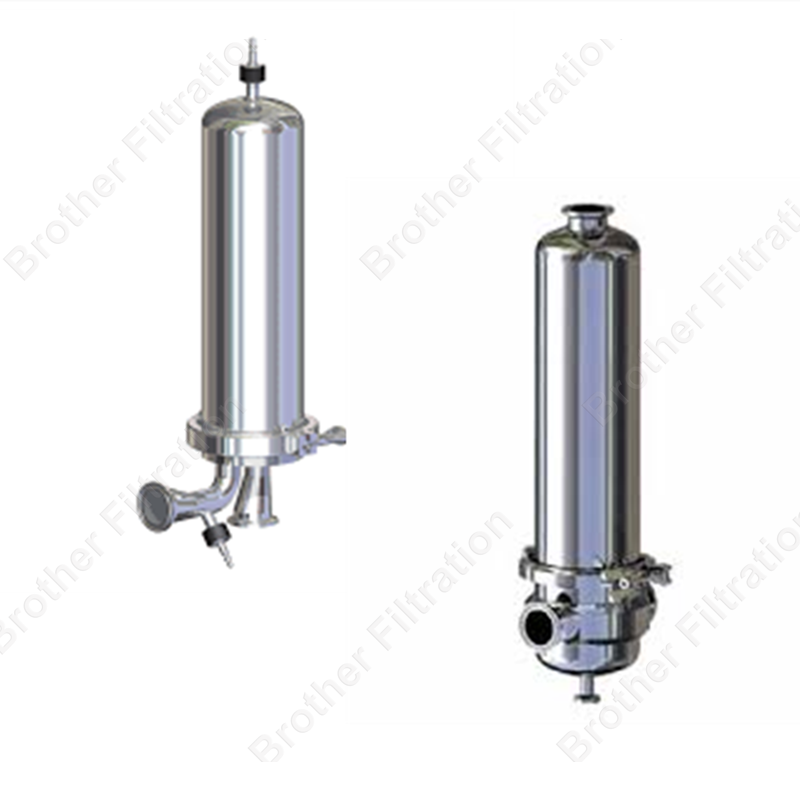
Having carefully selected and designed your air filtration system, the next crucial step involves its proper implementation and ongoing maintenance. This ensures that your system operates at peak efficiency, effectively safeguarding your delicate mushroom cultures from airborne contaminants. Diligence in these practices directly correlates with successful cultivation outcomes, minimizing the risk of contamination and maximizing your yield.Implementing a robust air filtration strategy requires attention to detail at every stage, from initial installation to routine upkeep.
This section will guide you through the essential steps to ensure your filtration system provides the reliable protection your mushroom cultures deserve.
Filter Installation and Sealing
Proper installation is paramount to prevent air from bypassing the filter media, which would render the filtration system ineffective. A bypass means that unfiltered air, carrying potential contaminants, can directly enter your cultivation environment. Ensuring a tight seal around the filter housing and the filter itself is the primary goal.The process begins with selecting filters that are appropriately sized for your ventilation system’s fan and ductwork.
Once the filter is chosen, it needs to be securely seated within its housing. For HEPA filters, which are commonly used in mushroom cultivation due to their high efficiency, this often involves a gasket or a compression seal.
A perfect seal is the difference between filtered air and contaminated air.
When installing filter housings into ductwork, use appropriate sealing materials such as mastic, foil tape, or silicone sealant to close any gaps between the housing and the duct. For fan inlets or outlets, ensure that the fan itself creates a tight seal with the filter housing. Regular visual inspection of these seals is a critical part of ongoing maintenance.
Filter Replacement Schedule
The lifespan of an air filter is not fixed and depends heavily on the environmental conditions of your cultivation space. Factors such as the ambient dust levels, the type and intensity of cultivation activities, and the overall air exchange rate will influence how quickly a filter becomes saturated or clogged.A general guideline for replacement can be established, but it should be adapted based on observation.
In a typical indoor mushroom cultivation setting with moderate dust levels, HEPA filters might need replacement every 3 to 6 months. However, in environments with higher particulate loads, such as those near construction sites or areas with significant outdoor air ingress, this interval could be as short as 1 to 2 months. Conversely, in very clean environments, filters might last longer.It is recommended to establish a baseline and then monitor the pressure drop across the filter.
As the filter becomes clogged, the resistance to airflow increases, leading to a higher pressure drop. Many industrial filtration systems include manometers to measure this. When the pressure drop reaches a predetermined level, or when visual inspection reveals significant discoloration or particulate buildup, it’s time for replacement.
Filtration Equipment Inspection Checklist
Regular, systematic inspection of your filtration equipment is vital to catch potential issues before they compromise your culture’s integrity. A comprehensive checklist ensures that no critical component is overlooked.Here is a sample checklist for regular inspection:
- Filter Integrity: Visually inspect the filter media for tears, punctures, or signs of degradation. For pleated filters, check that the pleats are intact and not collapsed.
- Seal Condition: Examine all seals around the filter housing and between the filter and the housing for any signs of cracking, drying out, or detachment.
- Housing Condition: Inspect the filter housing for any damage, corrosion, or loose fittings that could create air leaks.
- Pre-filter Condition (if applicable): If using pre-filters, check for clogging and wear. Pre-filters protect the main HEPA filter and extend its life.
- Fan and Motor: Listen for unusual noises from the fan motor, check for excessive vibration, and ensure the fan blades are clean and free from obstruction.
- Ductwork and Connections: Inspect all ductwork connected to the filtration system for leaks, damage, or loose connections.
- Mounting Hardware: Ensure all screws, clamps, or other hardware securing the filter and housing are tight and in good condition.
This checklist should be performed at least monthly, or more frequently if environmental conditions are challenging.
Air Quality Monitoring
Monitoring air quality within your cultivation space provides objective data on the effectiveness of your filtration system and helps identify potential issues. This goes beyond just relying on the visual appearance of filters.Several methods can be employed:
- Particulate Counters: These devices measure the number and size of airborne particles in real-time. They are invaluable for assessing the efficiency of HEPA filters and identifying spikes in particulate matter. For mushroom cultivation, a target of < 100,000 particles per cubic foot of size 0.5 microns or larger is often considered a good benchmark for clean environments, though specific needs may vary.
- Microbial Air Samplers: These specialized samplers capture airborne microorganisms onto culture media. Subsequent incubation and analysis reveal the types and quantities of bacteria and fungi present in the air, directly indicating the risk to your mushroom cultures.
- Odor Detection: While subjective, persistent or unusual odors can be an indicator of contamination or a failing filtration system.
- Visual Inspection: Regularly observing the cultivation environment for dust accumulation on surfaces can also be an indirect indicator of filtration system performance.
Consistent monitoring allows for proactive adjustments to your filtration strategy and environmental controls.
Cleaning and Sterilizing Filtration Components
While disposable filters are common, some components of your filtration system may be designed for cleaning and sterilization. This is particularly relevant for reusable pre-filters or certain parts of the housing and ductwork.Pre-filters, if made of washable materials, should be cleaned according to the manufacturer’s instructions. This typically involves rinsing with water and mild detergent, followed by thorough drying. Ensure they are completely dry before reinstallation to prevent mold growth.For reusable housings or duct sections, periodic cleaning might be necessary.
This can involve wiping down surfaces with a disinfectant solution. The specific cleaning agents should be compatible with the materials and not leave residues that could harm your cultures.
Sterilization of components that come into direct contact with the airflow path, where feasible, is a best practice, especially after a contamination event.
If sterilization is required, methods such as autoclaving (for heat-resistant components) or chemical sterilization using appropriate agents like isopropyl alcohol (IPA) or hydrogen peroxide solutions may be employed. Always allow components to fully air dry and off-gas any residual cleaning agents before reassembling the filtration system. The frequency of cleaning and sterilization will depend on the intensity of use and the environmental conditions.
Exploring Advanced Filtration Techniques and Considerations
:max_bytes(150000):strip_icc()/APECTopTier5-StageUltraSafeReverseOsmosisDrinkingWaterFilterSystem-5bd9acf0c9e77c0052348e6d.jpg "Filter Filter - Industrial Press Malaysia")
As we delve deeper into optimizing mushroom cultivation environments, advanced filtration techniques and careful consideration of environmental parameters become paramount. Beyond basic HEPA filtration, several sophisticated methods and crucial environmental factors significantly impact the success and purity of your cultures. This section explores these advanced aspects to further refine your air filtration strategies.
Electrostatic Precipitators in Mushroom Cultivation
Electrostatic precipitators (ESPs) offer a unique approach to air purification by utilizing electrostatic charges to remove airborne particles. In mushroom cultivation, ESPs can be particularly effective in capturing microscopic spores, bacteria, and other contaminants that might evade traditional mechanical filters. The process involves passing air through an ionization section, where particles acquire an electrical charge. These charged particles are then attracted to and collected on oppositely charged plates.
- Mechanism: ESPs ionize airborne particles, making them easier to capture.
- Particle Capture: Highly efficient at removing very fine particles, including fungal spores and bacteria.
- Maintenance: Requires periodic cleaning of collection plates to maintain efficiency.
- Considerations: May produce a small amount of ozone, which can be detrimental to some delicate cultures if not managed properly. Ventilation and monitoring are essential.
Laminar Flow Hoods Versus Filtered Intake Systems
Both laminar flow hoods and filtered intake systems are designed to provide clean air for mushroom cultivation, but they serve slightly different purposes and operate with distinct advantages and disadvantages. Understanding these differences is key to selecting the appropriate solution for your specific needs.
- Laminar Flow Hoods: These systems create a unidirectional, non-turbulent airflow that sweeps contaminants away from the work area. They are ideal for sterile inoculation, agar work, and tissue culture, providing a highly controlled sterile zone. The air is typically drawn from the room, passed through a HEPA filter, and then directed downwards or horizontally across the workspace.
- Benefits: Creates a localized sterile field, excellent for aseptic techniques, reduces contamination risk during critical handling steps.
- Drawbacks: Limited to a specific work area, can be expensive, requires dedicated space and power.
- Filtered Intake Systems: These systems filter the air entering the entire cultivation space, ensuring a cleaner overall environment. They are crucial for maintaining a low bioburden in grow rooms, incubation chambers, and fruiting tents. This is often achieved by filtering the air supplied by your ventilation system or a dedicated air handler.
- Benefits: Protects the entire cultivation environment, reduces overall contamination pressure, can be integrated with HVAC systems.
- Drawbacks: Does not create a localized sterile zone for direct manipulation, relies on efficient sealing of the cultivation space.
Air Exchange Rates in Conjunction with Filtration
While filtration removes contaminants from the air, air exchange rates dictate how frequently fresh, filtered air replaces the air within the cultivation space. This is a critical factor in preventing the buildup of metabolic byproducts and maintaining optimal atmospheric conditions for mushroom growth.
An adequate air exchange rate, when combined with effective filtration, ensures a continuous supply of oxygen and removes excess carbon dioxide and volatile organic compounds (VOCs) produced by both the mushrooms and any potential contaminants.
The ideal air exchange rate will vary depending on the scale of cultivation, the species of mushroom, and the stage of growth. For instance, fruiting mushrooms often require higher fresh air exchange rates than the colonization phase. Over-filtration without sufficient air exchange can lead to stale air, while insufficient filtration with high air exchange can still introduce contaminants.
Maintaining Optimal Humidity and Temperature Alongside Air Purity
Achieving and maintaining the correct humidity and temperature is intrinsically linked to air purity for successful mushroom cultivation. Air filtration systems play a role in this delicate balance, but they must be managed in concert with other environmental controls.
- Humidity: High humidity environments are essential for mushroom development but can also encourage the growth of mold and bacteria if not managed properly. HEPA filtration helps prevent airborne spores of competing molds from entering the environment. Furthermore, ensuring that incoming air is not excessively humid (through pre-filters or dehumidifiers if necessary) can prevent condensation issues that can harbor contaminants.
- Temperature: Temperature directly influences metabolic rates and the growth of both desired mycelium and unwanted microbes. While air filters themselves do not directly control temperature, maintaining a stable temperature is crucial for the effectiveness of filtration. Extreme temperature fluctuations can affect the efficiency of filters and the integrity of seals. Consistent temperatures also minimize condensation, which can create breeding grounds for contaminants.
Integrating air filtration into a robust environmental control system that precisely manages humidity and temperature is key to preventing contamination and promoting healthy mushroom growth.
Filtration Solutions for Specific Sterilization Protocols
The choice of filtration solution can be tailored to specific sterilization protocols, such as Still Air Boxes (SABs). These protocols are designed to create highly controlled micro-environments for critical tasks.
- Still Air Boxes (SABs): SABs are simple enclosures that aim to minimize air movement, thereby reducing the introduction of airborne contaminants during sterile work. While the primary goal of a SAB is to still the air, filtration plays a supporting role.
- For SABs: For very basic SABs, the focus is on preventing contaminants from entering through manual actions. However, for more advanced SAB designs or when introducing air into a SAB, a HEPA filter on the intake can significantly enhance its effectiveness.
This ensures that any air entering the box, even if minimal, is purified. The goal is to create a localized clean zone within the SAB, complementing the “still air” aspect by ensuring the air that
-is* present is as clean as possible.
- For SABs: For very basic SABs, the focus is on preventing contaminants from entering through manual actions. However, for more advanced SAB designs or when introducing air into a SAB, a HEPA filter on the intake can significantly enhance its effectiveness.
- Modified Flow Hoods for SAB-like Environments: Some setups might involve creating a more sophisticated “SAB-like” environment using smaller, filtered fan units that provide a gentle, filtered airflow within a confined space, mimicking the benefits of a flow hood but on a smaller scale. These often incorporate HEPA filters to purify the air directed into the workspace.
- Pre-filtration for SABs: Even if not directly filtering the air entering a SAB, ensuring that the room in which the SAB is used has good general air filtration (e.g., through filtered intake systems) will reduce the baseline bioburden, making the SAB more effective.
Final Summary
Mastering the art of air filtration is a cornerstone of successful mushroom cultivation, transforming potential challenges into opportunities for robust growth. By diligently implementing and maintaining appropriate filtration strategies, you not only protect your precious cultures from detrimental contaminants but also foster an environment conducive to superior yield and quality. This exploration has illuminated the path to pristine air, empowering you to cultivate with confidence and achieve remarkable results.