As How to Incubate Your Mushroom Substrate Successfully takes center stage, this opening passage beckons readers into a world of careful cultivation and dedicated growth. Understanding the intricacies of mushroom substrate incubation is paramount for any aspiring mycologist, paving the way for bountiful harvests and successful mushroom cultivation endeavors. This comprehensive guide will navigate you through the essential steps, from grasping the fundamental components of a healthy substrate to mastering the art of creating the perfect incubation environment.
We will delve into the critical processes of sterilization and pasteurization, explore the diverse array of substrates commonly employed, and pinpoint the ideal moisture levels crucial for robust mycelial development. Furthermore, this exploration will equip you with the knowledge to prepare your substrate meticulously, including the precise methods for sterilization, pasteurization, and the vital step of mixing spawn. Ensuring proper substrate hydration before inoculation is a cornerstone of success, and we will illuminate why this step is so indispensable for initiating healthy colonization.
Understanding Mushroom Substrate Basics
The foundation of successful mushroom cultivation lies in understanding and preparing the substrate, the nutrient-rich medium that nourishes fungal growth. A well-prepared substrate provides the necessary moisture, nutrients, and physical structure for mycelial colonization and subsequent fruiting. This section will delve into the essential components, preparation methods, common types, and ideal moisture levels for mushroom substrates.The substrate is more than just a growing medium; it is the life support system for your mushrooms.
Its composition directly influences the health of the mycelium, its ability to resist contamination, and the yield and quality of the mushrooms produced. Therefore, mastering substrate preparation is a crucial step for any aspiring cultivator.
Fundamental Components of a Healthy Mushroom Substrate
A healthy mushroom substrate is a carefully balanced blend designed to mimic the natural environment where fungi thrive. The primary components provide the essential elements for fungal nutrition and growth.The key components typically include:
- Carbon Source: This is the primary energy source for the mushroom’s mycelium. Common sources include lignocellulosic materials like sawdust, straw, wood chips, and agricultural byproducts such as bran, oat hulls, and coffee grounds. These materials break down over time, releasing sugars and complex carbohydrates that the mycelium can metabolize.
- Nitrogen Source: Nitrogen is crucial for protein synthesis and mycelial growth. Supplements like soybean meal, cottonseed meal, wheat bran, or even urea are often added to increase the nitrogen content of the substrate, especially when using low-nitrogen base materials like sawdust.
- Minerals and Trace Elements: While often present in base materials, specific minerals like calcium and magnesium can be added to buffer the substrate and provide essential micronutrients. Gypsum (calcium sulfate) is commonly used for its buffering capabilities and to prevent clumping.
- Water: Moisture is vital for all biological processes, including fungal metabolism and nutrient transport. The correct moisture content is critical for both colonization and fruiting.
Purpose of Sterilization or Pasteurization for Mushroom Substrates
The primary goal of treating mushroom substrates is to eliminate or significantly reduce competing organisms, primarily bacteria and molds, that would otherwise consume the nutrients intended for the mushroom mycelium. This process creates a favorable environment for the desired mushroom species to colonize without competition.Sterilization and pasteurization are distinct processes with different applications:
- Sterilization: This process involves heating the substrate to a temperature high enough to kill all forms of microbial life, including bacterial spores and fungal spores. It is typically achieved through methods like autoclaving (pressure cooking) at 121°C (250°F) for a specified duration (e.g., 90-120 minutes). Sterilization is generally used for substrates that are rich in nutrients and have a lower natural resistance to contamination, such as grain spawn or supplemented sawdust blocks.
- Pasteurization: This method uses lower temperatures (typically 60-80°C or 140-176°F) for a longer duration and aims to kill most vegetative bacteria and molds while leaving some beneficial thermophilic organisms. Pasteurization is often sufficient for less nutrient-dense substrates like straw or manure, which possess a degree of natural resistance to contamination. Methods include hot water bath immersion or steaming.
The choice between sterilization and pasteurization depends on the substrate composition, the mushroom species being cultivated, and the desired outcome.
Common Types of Substrates Used for Mushroom Cultivation
A wide array of organic materials can serve as substrates for mushroom cultivation, each offering unique properties and suitability for different species. The selection of a substrate often depends on the mushroom’s natural habitat and its nutritional requirements.Here are some of the most common substrate types:
- Hardwood Sawdust/Wood Chips: A very popular and versatile substrate, especially for gourmet mushrooms like Oyster (Pleurotus spp.), Shiitake (Lentinula edodes), and Lion’s Mane (Hericium erinaceus). It provides excellent aeration and a good balance of carbon and lignin. It is often supplemented with bran or other nitrogen sources.
- Straw: Commonly used for Oyster mushrooms, straw is a readily available and cost-effective substrate. It is typically pasteurized rather than sterilized. Different types of straw, such as wheat, oat, or rice straw, can be used.
- Grain: Grains like rye, wheat, millet, and sorghum are primarily used as spawn (the initial starter culture of mycelium) due to their high nutrient content. They are sterilized before inoculation.
- Manure: Composted manure, particularly from horses, cows, or chickens, is a nutrient-rich substrate favored by species like Agaricus bisporus (button mushrooms) and Psilocybe cubensis. It usually requires pasteurization.
- Agricultural Byproducts: Materials like coffee grounds, sugarcane bagasse, corn cobs, and soybean hulls are increasingly used, often in combination with other substrates, to add nutrients and improve texture.
- Coco Coir: Derived from coconut husks, coco coir is a popular substrate for many species, particularly those that prefer a more humid environment. It is often mixed with other ingredients like vermiculite and gypsum.
Ideal Moisture Content for Various Mushroom Substrates
Maintaining the correct moisture content is paramount for successful mycelial colonization and fruiting. Too little moisture will inhibit growth, while too much can lead to anaerobic conditions, contamination, and reduced oxygen availability. The ideal moisture level is often expressed as a percentage of the substrate’s total weight.The target moisture content can vary, but a general guideline for many common substrates is between 50% and 70%.
A practical way to assess moisture content is through the “squeeze test”:
- Too Dry: When a handful of substrate is squeezed, it crumbles apart easily and does not hold its shape.
- Just Right: When a handful of substrate is squeezed, a few drops of water may come out, and it holds its shape loosely. It should feel moist but not waterlogged.
- Too Wet: When a handful of substrate is squeezed, a significant amount of water streams out, and it forms a solid, compact ball.
Here are some approximate moisture content ranges for common substrates:
| Substrate Type | Approximate Moisture Content (%) |
|---|---|
| Hardwood Sawdust/Chips | 50-60% |
| Straw | 60-70% |
| Grain Spawn | 35-45% |
| Manure-based Substrates | 60-70% |
| Coco Coir (hydrated) | 60-70% |
It is important to note that these are general guidelines, and specific mushroom species may have slightly different preferences. Always research the optimal conditions for the particular mushroom you are cultivating.
Preparing Your Mushroom Substrate
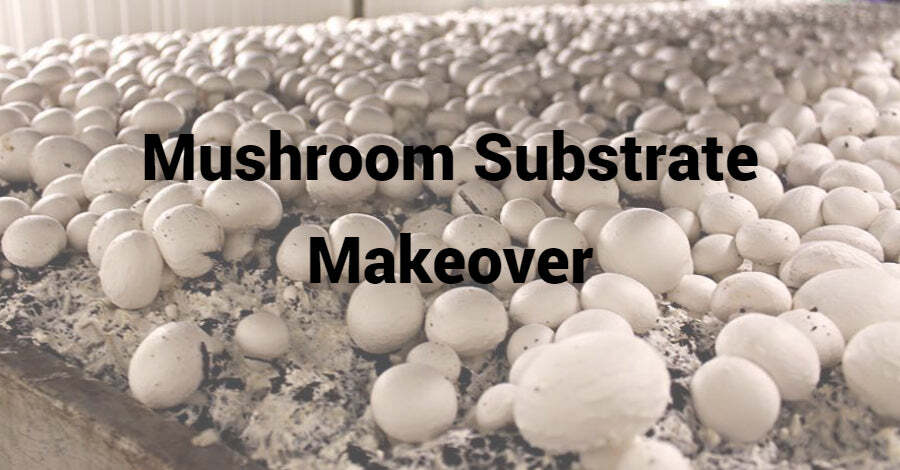
Successfully incubating mushroom mycelium requires meticulous substrate preparation. This stage is critical as it directly influences the health and vigor of your mushroom cultivation, preventing contamination and providing the optimal environment for growth. This section will guide you through the essential steps of sterilizing and pasteurizing your chosen substrates, as well as the crucial process of mixing spawn with your prepared medium.Proper substrate preparation is paramount for a bountiful harvest.
Contamination is the most significant threat to mushroom cultivation, and a well-prepared substrate acts as a barrier against unwanted microorganisms. The methods of sterilization and pasteurization are designed to eliminate competing organisms while preserving the nutrients essential for mushroom growth.
Sterilizing Bulk Substrates Using a Pressure Cooker
Sterilization is a more aggressive process than pasteurization, aiming to eliminate all living organisms, including spores. This method is typically used for substrates like sawdust, grain, or compost. A pressure cooker is the most effective tool for achieving the high temperatures and pressure needed for complete sterilization.The following steps Artikel the procedure for sterilizing bulk substrates using a pressure cooker:
- Gather your materials: This includes your chosen bulk substrate (e.g., sawdust, wood chips, grain), water, heat-resistant bags (autoclavable), and a pressure cooker.
- Prepare the substrate: Depending on the substrate, you may need to rehydrate it with water. For sawdust or wood chips, a common ratio is 1:1 substrate to water by volume, aiming for a moisture content of around 50-60%. For grains, follow specific preparation guidelines for the type of grain used.
- Pack the substrate into bags: Fill the heat-resistant bags with the prepared substrate, leaving some headspace at the top. Seal the bags securely, ensuring they are airtight. Some growers use filter patches on the bags to allow for gas exchange while preventing contaminants from entering.
- Add water to the pressure cooker: Pour water into the bottom of the pressure cooker, typically enough to reach the rack where the bags will sit. This creates steam, which is essential for sterilization.
- Place substrate bags in the pressure cooker: Arrange the sealed substrate bags on the rack inside the pressure cooker. Ensure the bags are not directly touching the sides or bottom of the cooker.
- Seal and pressurize the cooker: Securely close the lid of the pressure cooker, ensuring the vent is open. Bring the cooker up to pressure according to the manufacturer’s instructions. Once it reaches the desired pressure (usually 15 PSI for standard home models), close the vent to begin the sterilization process.
- Sterilize for the recommended duration: The sterilization time will vary depending on the volume and type of substrate. A common recommendation for bulk substrates is 90 minutes at 15 PSI. For smaller volumes or grains, shorter times might suffice, but it’s crucial to consult reliable cultivation guides for specific recommendations.
- Cool down completely: After the sterilization time is complete, turn off the heat and allow the pressure cooker to cool down naturally and completely. Do not attempt to force cool it, as this can cause the bags to collapse or the contents to become contaminated. This cooling process can take several hours, or even overnight.
The goal of sterilization is to reach temperatures above boiling point (121°C or 250°F) under pressure, which effectively kills all microorganisms.
Pasteurizing Straw Substrate Effectively
Pasteurization is a less intense heat treatment than sterilization, designed to reduce the number of competing organisms in the substrate while leaving beneficial ones intact. Straw is a common substrate for certain mushroom species, such as oyster mushrooms, and pasteurization is the preferred method for its preparation.Here is a step-by-step guide to effectively pasteurize straw substrate:
- Chop the straw: Cut the straw into manageable lengths, typically 2-6 inches. This increases the surface area and makes it easier to handle and pack.
- Hydrate the straw: Submerge the chopped straw in clean water. You can do this in a large tub, a clean garbage can, or even a bathtub. Allow the straw to soak for at least 12-24 hours to fully rehydrate. The straw should feel heavy and saturated.
- Heat the straw: This is the core of the pasteurization process. There are a few common methods:
- Hot Water Bath: Place the hydrated straw into a large pot or a specialized pasteurization bag. Heat water to approximately 70-80°C (158-176°F). Submerge the straw in this hot water and maintain the temperature for 1-2 hours. A thermometer is essential to monitor the temperature accurately.
- Steam Pasteurization: Place the hydrated straw into a large mesh bag or a container that allows steam to penetrate. Suspend this over a pot of boiling water, ensuring the straw does not directly touch the water. Cover tightly and allow it to steam for 1-2 hours.
- Drain the straw: After the heating period, thoroughly drain the straw. It should be moist but not dripping wet. You should be able to squeeze a few drops of water out when you firmly grip a handful.
- Cool the straw: Allow the pasteurized straw to cool down to room temperature before mixing it with spawn. This is crucial to avoid killing the mushroom mycelium.
Proper hydration is key during pasteurization. The straw should be saturated but not waterlogged, as excess water can limit oxygen availability for the mycelium.
Mixing Spawn with Prepared Substrate
Once your substrate has been sterilized or pasteurized and cooled, the next critical step is to introduce the mushroom spawn. This process, known as “spawning,” is where you combine the living mushroom mycelium (the spawn) with the nutrient-rich substrate. The goal is to distribute the spawn evenly throughout the substrate to encourage rapid and uniform colonization.The process of mixing spawn with prepared substrate is as follows:
- Work in a clean environment: Before mixing, thoroughly clean your workspace and all tools with a disinfectant like isopropyl alcohol. Wearing gloves is highly recommended to minimize contamination.
- Prepare your spawn: If you are using grain spawn, you may need to break it up slightly to ensure it is loose and easily distributed.
- Combine spawn and substrate: In a clean container or directly in your cultivation bag, add the prepared substrate and the spawn. The ratio of spawn to substrate is important and varies depending on the mushroom species and the type of spawn used. A common starting point is a 1:10 spawn to substrate ratio (e.g., 1 part spawn to 10 parts substrate by volume), but this can be adjusted.
- Mix thoroughly: Gently but thoroughly mix the spawn and substrate together. Ensure the spawn is evenly distributed throughout the entire volume of the substrate. This promotes faster colonization and reduces the chances of contamination taking hold in pockets of uncolonized substrate.
- Pack the mixture: Once mixed, pack the substrate and spawn mixture into your chosen cultivation containers (e.g., bags, tubs, jars). Avoid compacting it too tightly, as some airflow is beneficial for mycelial growth.
The spawn acts as the “seed” for your mushroom crop. A higher spawn rate generally leads to faster colonization, which is desirable as it outcompetes potential contaminants.
Importance of Proper Substrate Hydration Before Inoculation
The moisture content of your substrate is one of the most critical factors for successful mushroom cultivation. Before you inoculate your substrate with spawn, ensuring it has the correct hydration level is paramount. This optimal moisture level provides the necessary environment for the mycelium to thrive, absorb nutrients, and grow.The importance of proper substrate hydration before inoculation can be understood through these points:
- Nutrient Availability: Water acts as a solvent, allowing the mycelium to dissolve and absorb the nutrients present in the substrate. Without adequate water, nutrient uptake is severely hindered.
- Mycelial Growth and Transport: Mycelium is a network of fine threads that require moisture to grow and spread. Water facilitates the transport of nutrients and energy throughout the mycelial network.
- Preventing Drying Out: A substrate that is too dry will not support mycelial growth. The mycelium will struggle to establish itself, and the colonization process will be slow or may fail entirely.
- Preventing Contamination: While too little water is detrimental, too much water can also be problematic. A waterlogged substrate creates anaerobic conditions (lack of oxygen), which favors the growth of bacteria and molds, leading to contamination.
- Facilitating Gas Exchange: While moisture is crucial, some air exchange is also necessary for healthy mycelial growth. A perfectly hydrated substrate allows for the balance between moisture retention and adequate gas exchange.
A simple test to gauge proper hydration is the “squeeze test.” When you take a handful of the prepared substrate and squeeze it firmly, only a few drops of water should emerge. If water streams out, it is too wet. If no water comes out, it is too dry. Aim for a consistency that holds its shape loosely when squeezed but crumbles easily when disturbed.
The Incubation Environment

Once your mushroom substrate is prepared and inoculated, the incubation phase begins. This critical stage involves providing the right conditions for the mycelium to colonize the substrate. Creating a stable and controlled environment is paramount to success, minimizing the risk of contamination and ensuring vigorous mycelial growth.The incubation environment is where the magic truly happens, as the unseen network of mycelium spreads throughout the substrate, preparing it for fruiting.
Careful attention to temperature, humidity, and air exchange will significantly impact your harvest.
Optimal Temperature Range for Mushroom Substrate Incubation
The ideal temperature for mushroom mycelial growth varies depending on the specific species you are cultivating. Maintaining the correct temperature is crucial for promoting rapid colonization and preventing the growth of competing organisms. Too cold, and growth will be slow or stalled; too hot, and the mycelium can be stressed or killed, or opportunistic contaminants can thrive.Different mushroom species have evolved to thrive in specific temperature ranges.
For many common gourmet and medicinal mushrooms, such as oyster mushrooms (Pleurotus spp.) and shiitake (Lentinula edodes), the optimal incubation temperature typically falls between 70-75°F (21-24°C). However, some species prefer slightly cooler or warmer conditions. For example, lion’s mane (Hericium erinaceus) often prefers temperatures in the mid-70s°F (around 24°C), while certain strains of psilocybe mushrooms might have slightly different optimal ranges, often leaning towards the cooler end of the spectrum.
It is always best to research the specific requirements of the mushroom species you are cultivating.
The Role of Humidity in the Incubation Phase
Humidity plays a vital role during incubation by preventing the substrate from drying out. Mycelium requires moisture to grow and spread. If the substrate becomes too dry, mycelial growth will cease, and the colonization process will be halted. High humidity also helps to create a favorable microclimate that encourages mycelial expansion.The target relative humidity during incubation is generally high, often between 90-95%.
This can be achieved by placing the colonized substrate in a humid environment, such as a monotub with controlled ventilation or a dedicated incubation chamber. Regular monitoring of humidity levels is important. If the humidity drops too low, misting the inside of the incubation container with sterile water can help to restore it. Conversely, excessive condensation can sometimes be an indicator of poor air exchange, which needs to be addressed.
Fresh Air Exchange (FAE) During Incubation
While mycelium does not require the same level of fresh air as fruiting mushrooms, a controlled amount of fresh air exchange (FAE) is still necessary during the incubation phase. Mycelium produces carbon dioxide as a metabolic byproduct. If CO2 levels become too high within the incubation environment, it can slow down or even inhibit mycelial growth.The necessity of FAE during incubation is to remove excess CO2 and introduce a small amount of oxygen.
This is typically managed through small holes or vents in the incubation container. For many species, minimal FAE is required until the substrate is fully colonized and ready for fruiting. Over-ventilation during early incubation can lead to drying out the substrate, so a balance is key. The amount of FAE can be gradually increased as colonization progresses, and more significantly once pinning (the formation of baby mushrooms) begins.
Common Environmental Contaminants to Avoid During Incubation
The incubation period is a vulnerable time for your mushroom substrate, as it is susceptible to contamination from various microorganisms. These contaminants compete with the mushroom mycelium for nutrients and space, often leading to failed grows. Identifying and avoiding common contaminants is crucial for a successful harvest.Here are some of the most common environmental contaminants encountered during incubation:
- Mold: This is perhaps the most prevalent contaminant. Different types of mold can appear as fuzzy, colored patches (green, blue, black, or pink) on the substrate. Common culprits include Trichoderma, Penicillium, and Aspergillus.
- Bacteria: Bacterial contamination often appears as slimy, wet, or foul-smelling patches. It can be harder to spot than mold but is equally detrimental.
- Other Fungi: While less common than mold, other unwanted fungi can also take hold, outcompeting your desired mushroom mycelium.
Preventing contamination relies heavily on sterile techniques during substrate preparation and inoculation, as well as maintaining a clean incubation environment. This includes sterilizing all equipment, using clean air filters if applicable, and avoiding opening your incubation containers unnecessarily in non-sterile conditions. If contamination is detected, it is generally best to discard the affected substrate to prevent it from spreading to other cultures.
Incubation Techniques and Monitoring
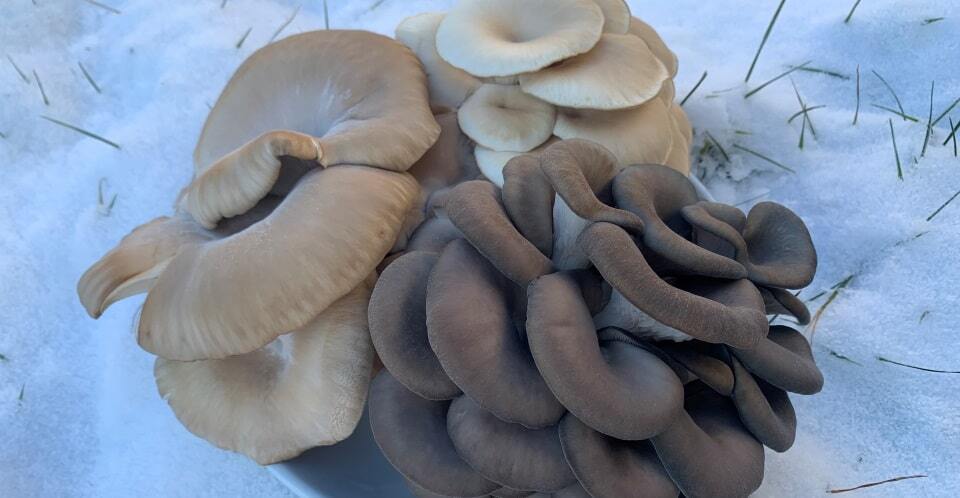
With the substrate prepared and the incubation environment established, the next crucial phase is to implement effective incubation techniques and diligently monitor the progress of your mushroom mycelium. This stage requires a balance of providing the optimal conditions for growth while remaining observant to ensure healthy development and to quickly identify any potential issues. Careful attention during incubation significantly contributes to a successful harvest.This section will guide you through creating a functional incubation setup, methods for non-invasive monitoring, identifying healthy mycelial signs, and addressing contamination concerns proactively.
By mastering these techniques, you can significantly increase your chances of a robust and healthy mushroom cultivation.
Simple Incubation Chamber Setup
Designing a basic incubation chamber doesn’t require specialized equipment. By utilizing common household items, you can create a stable environment conducive to mycelial growth. The primary goals are to maintain a consistent temperature, humidity, and darkness, while also allowing for some minimal air exchange.A highly effective and simple incubation chamber can be constructed using a large, clear plastic storage tote with a lid.
To maintain humidity, place a layer of damp perlite or vermiculite at the bottom of the tote. This material, when kept moist, will slowly release water vapor. For temperature regulation, especially in cooler environments, a small seedling heat mat can be placed underneath the tote. It’s important to note that some heat mats have built-in thermostats, which are ideal for maintaining a stable temperature.
If using a mat without a thermostat, you will need to monitor the temperature closely and adjust the mat’s placement or duration of use. For darkness, simply keep the tote lid closed and place it in a location away from direct light. To allow for necessary gas exchange, you can either drill a few small holes in the sides of the tote, covering them with micropore tape or synthetic filter discs to prevent contaminants from entering, or simply crack the lid slightly, ensuring it’s stable enough not to fall off.
Monitoring Substrate Progress
Observing your incubating substrate without causing undue disturbance is key to successful colonization. Excessive handling or opening of the incubation chamber can introduce contaminants and disrupt the delicate mycelial network. Therefore, visual inspection and indirect monitoring methods are preferred.Several methods can be employed to effectively monitor substrate progress:
- Visual Inspection through Clear Containers: If your substrate is in clear jars, bags, or trays, direct visual inspection is the primary method. Look for the characteristic white, thread-like growth of mycelium spreading throughout the substrate.
- Temperature Monitoring: Utilize a reliable thermometer placed inside or near the incubation chamber. This will help you confirm that the temperature remains within the optimal range for your specific mushroom species. Fluctuations outside the ideal range can slow down or halt growth.
- Humidity Checks: While less direct, you can gauge humidity by observing condensation on the inside of the chamber walls or lid. Excessive condensation might indicate too much moisture, while a lack of it could mean it’s too dry.
- Occasional Weighing (for jars/bags): For sealed jars or bags, a very occasional, gentle weighing can sometimes indicate water loss, suggesting a need to adjust humidity. However, this should be done sparingly.
The goal is to gain as much information as possible with minimal intervention, allowing the mycelium to colonize undisturbed.
Signs of Healthy Mycelial Growth
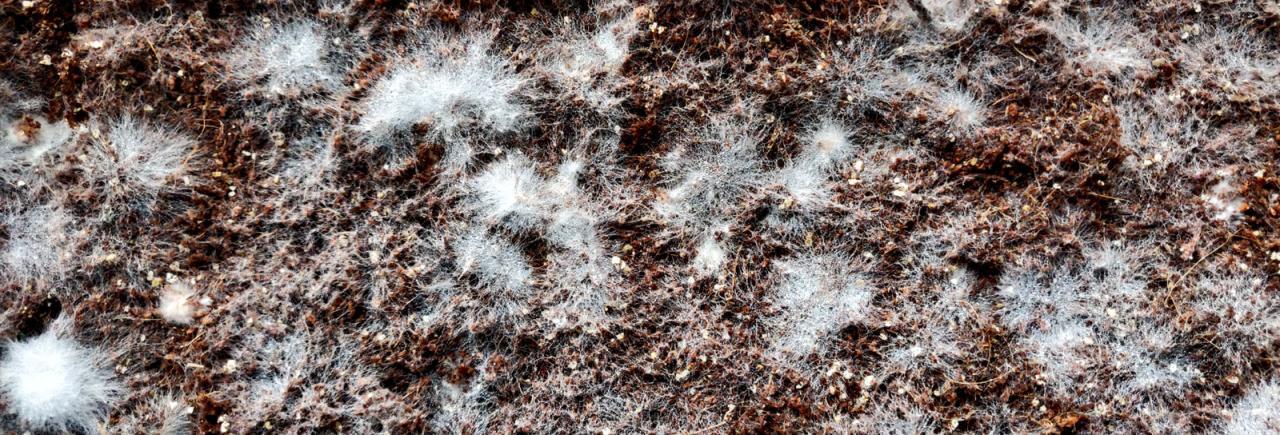
Recognizing the visual cues of healthy mycelial growth is fundamental to understanding the progress of your incubation. Mycelium, the vegetative part of a fungus, is typically white and exhibits a distinct fibrous or cottony appearance as it colonizes the substrate.The following are key indicators of healthy mycelial development:
- Uniform White Growth: The most prominent sign is a consistent, fuzzy or cottony white growth that gradually covers the surface and penetrates the substrate. This indicates active and healthy colonization.
- Rhizomorphic Strands: In some species, particularly gourmet mushrooms, you might observe thicker, cord-like strands of mycelium known as rhizomorphs. These are strong indicators of vigorous growth and a well-established mycelial network.
- Rapid Spread: Healthy mycelium will spread at a noticeable pace, colonizing new areas of the substrate over time. The rate of spread will vary depending on the mushroom species, temperature, and substrate type.
- Pleasing Aroma: A healthy, actively growing mycelial culture typically emits a mild, earthy, or mushroomy scent. It should not smell sour, rotten, or like ammonia.
It is important to differentiate between healthy white mycelium and other white or discolored growths, which will be discussed in the context of contamination.
Recognizing and Addressing Contamination
Early detection and prompt action are critical when dealing with contamination in your mushroom substrate. Contaminants are unwanted organisms, such as bacteria or molds, that compete with the mushroom mycelium for nutrients and can ultimately ruin your crop.Contamination issues often manifest visually and can be distinguished from healthy mycelium by their appearance, color, and smell. Here are common signs of contamination and how to address them:
- Green, Blue, Black, or Pink Molds: These colors are strong indicators of mold contamination. Unlike the uniform white of healthy mycelium, these molds often appear as fuzzy patches or powdery spots.
- Bacterial Blotch (Slimy or Wet Patches): Bacterial contamination can present as slimy, wet areas on the substrate, sometimes accompanied by a sour or unpleasant odor.
- Fuzzy White Growth Resembling Cobwebs: While healthy mycelium is white and fibrous, some contaminants can also appear white. However, if the white growth is very sparse, stringy like cobwebs, or doesn’t show the characteristic cottony density of true mycelium, it may be a sign of trouble.
- Unpleasant Odors: A strong sour, vinegary, rotten, or ammoniacal smell is a definitive sign of bacterial or other microbial contamination.
If contamination is identified, the best course of action is typically to isolate the contaminated substrate immediately to prevent its spread to other cultures. For small-scale hobbyist grows, it is often recommended to discard the entire contaminated batch safely by sealing it in a plastic bag and disposing of it outdoors, away from your cultivation area. Sterilizing and reusing contaminated containers is also a good practice.
In some cases, for very minor and early-stage bacterial issues, some growers might attempt to cut out the affected area, but this carries a significant risk of spreading the contamination further. Prevention through proper sterilization and sterile techniques remains the most effective strategy.
Troubleshooting Common Incubation Problems
Even with meticulous preparation and ideal environmental controls, challenges can arise during mushroom substrate incubation. Understanding these common issues and knowing how to address them proactively is crucial for a successful harvest. This section will guide you through identifying and resolving prevalent incubation problems, ensuring your mycelium thrives.Substrate moisture levels are paramount for healthy mycelial development. Both excessively wet and overly dry conditions can impede growth and invite contamination.
Addressing these imbalances swiftly is key to maintaining a viable incubation environment.
Substrate Moisture Imbalance Solutions
Maintaining the correct moisture content within your mushroom substrate is critical for successful mycelial colonization. Too much moisture can lead to anaerobic conditions, promoting bacterial growth and mold, while too little moisture will prevent the mycelium from expanding and hydrating properly. It’s important to assess the substrate’s moisture level and take corrective actions without causing undue stress to the developing mycelium.
Substrate Too Wet
When a substrate is too wet, it often appears waterlogged, with free-standing water visible. This condition creates an environment ripe for opportunistic contaminants. The primary goal is to remove excess moisture without drying out the substrate entirely.
- Airing Out: Gently open the incubation container (e.g., grow bag, tub) for short periods, typically 15-30 minutes, once or twice a day. This allows trapped moisture to evaporate. Ensure this is done in a clean environment to avoid introducing new contaminants.
- Introducing Absorbent Materials: In some cases, particularly with bulk substrates, you might be able to carefully mix in a small amount of dry, sterilized substrate material (like vermiculite or coco coir) to absorb excess moisture. This requires extreme caution to avoid contamination.
- Fan and Filter: If using a tub with filtered air exchange, increasing the air exchange rate slightly can help. However, this must be balanced to avoid drying the substrate too quickly.
Substrate Too Dry
A substrate that is too dry will feel crumbly and may show signs of the mycelium not spreading effectively or even retracting. Re-hydration is necessary to provide the moisture the mycelium needs to grow.
- Misting: Lightly mist the surface of the substrate with sterile water using a fine-atomizing spray bottle. Avoid drenching the substrate; aim for a fine, even mist. This is best done when you observe the substrate edges looking dry or if mycelial growth appears stunted due to dryness.
- Adding Sterile Water: For larger substrates or in specific setups, a small amount of sterile water can be carefully introduced. This might involve gently pouring a measured amount of water onto the surface or, in some bulk substrate scenarios, carefully injecting it into the substrate using a sterile syringe.
- Steam Sterilization (for extreme cases): In rare, severe cases of dryness in bulk substrates, re-sterilizing a portion of the substrate with steam might be considered, but this is a high-risk procedure that can introduce contaminants and is generally not recommended for beginners.
Mycelial Growth Issues
Slow or stalled mycelial growth can be a disheartening sign for cultivators. This can stem from various factors, including incorrect incubation temperatures, insufficient humidity, lack of fresh air exchange, or the presence of inhibitory substances. Identifying the root cause is essential for rectifying the situation.
Strategies for Slow or Stalled Mycelial Growth
When mycelium is not progressing as expected, a systematic approach to troubleshooting is required. It’s important to remain patient, as some species naturally colonize slower than others.
- Temperature Optimization: Ensure the incubation temperature is within the optimal range for your specific mushroom species. Fluctuations outside this range can significantly slow down or halt mycelial activity. For instance, many temperate species prefer temperatures between 70-75°F (21-24°C), while some tropical varieties might require slightly warmer conditions.
- Humidity Check: Verify that the humidity within the incubation chamber remains consistently high, ideally between 90-95%. Low humidity will cause the substrate to dry out, stressing the mycelium.
- Adequate Air Exchange: While mycelium doesn’t require as much fresh air as fruiting bodies, a small amount of gas exchange is still necessary to remove metabolic byproducts like CO2 and introduce oxygen. If your incubation setup is too sealed, this can lead to stalled growth. Consider slightly increasing air exchange if using a sealed container.
- Substrate Nutrient Availability: If the substrate lacks sufficient nutrients or has been overly processed, mycelial growth may be inhibited. However, this is usually addressed during the substrate preparation phase.
- Patience: Some mushroom species, particularly those with complex genetics or those cultivated from less vigorous cultures, can take longer to colonize. Observe for any signs of life, even slow spreading, before concluding that growth has stalled.
Mold Identification and Mitigation
The presence of mold is one of the most common and frustrating problems encountered during mushroom incubation. Molds are opportunistic fungi that thrive in similar conditions to mushroom mycelium, making prevention and early detection paramount. Differentiating between healthy white mycelium and problematic mold is a skill that develops with experience.
Identifying and Mitigating Mold Spread
Early identification and swift action are critical to prevent mold from taking over your substrate and ruining your potential harvest.
- Visual Cues: Healthy mushroom mycelium typically appears as white, cottony, or thread-like growth. Molds, on the other hand, often exhibit a wider range of colors, including green, black, blue, pink, or yellow. They may also have a powdery, fuzzy, or slimy texture, distinct from the more uniform appearance of mycelium.
- Smell: A healthy, colonizing substrate usually has a mild, earthy, or mushroomy scent. Mold often produces a sour, musty, or unpleasant odor.
- Isolation: If you suspect mold has appeared in a substrate bag or container, immediately isolate it from other cultures and substrates. Move it to a separate area, preferably outdoors or in a contained space, to prevent spores from spreading.
- Discarding Contaminated Substrates: For heavily contaminated substrates, especially those with vibrant colored molds, the safest and most effective approach is to discard them entirely. This often involves double-bagging the contaminated material and disposing of it away from your cultivation area. Attempting to salvage heavily molded substrates is rarely successful and risks cross-contamination.
- Sterilization Protocols: The best defense against mold is rigorous sterilization and aseptic techniques during substrate preparation and inoculation. Ensure all tools, containers, and substrates are properly sterilized or pasteurized.
- Environmental Control: Maintaining optimal incubation temperatures and humidity, along with appropriate air exchange, can help create an environment less favorable to mold growth.
Re-hydrating Substrates
In situations where a substrate has become too dry during incubation, re-hydration becomes necessary. The method chosen will depend on the type of substrate, the incubation container, and the extent of dryness. The primary goal is to reintroduce moisture without introducing contaminants.
Approaches to Re-hydrating a Substrate
When a substrate requires re-hydration, it’s crucial to select a method that is effective yet minimizes the risk of contamination.
- Gentle Misting: For substrates in open-air containers or those with permeable lids, a fine mist of sterile water can be applied to the surface. This is a conservative approach that gradually reintroduces moisture. It is important to use a sterile spray bottle filled with distilled or reverse osmosis water.
- Injecting Sterile Water: For substrates in sealed bags or jars, a sterile syringe can be used to inject small amounts of sterile water directly into the substrate. This allows for targeted re-hydration without fully exposing the substrate to the ambient environment. It’s advisable to inject water at multiple points to ensure even distribution.
- Surface Evaporation and Re-misting: In some cases, a slightly drier substrate might benefit from a brief period of increased air exchange to allow for surface evaporation, followed by a gentle misting. This can help to encourage the mycelium to draw moisture from deeper within the substrate.
- Soaking (for specific bulk substrates, with caution): While generally not recommended for colonized substrates due to high contamination risk, in very specific situations with certain bulk substrates and if contamination is already a concern, a very brief re-soak in sterile water might be considered. This is a high-risk method and requires extreme aseptic technique.
The key to successful re-hydration is to introduce moisture gradually and aseptically, mimicking the natural conditions required for mycelial growth.
Transferring and Fruiting Preparation
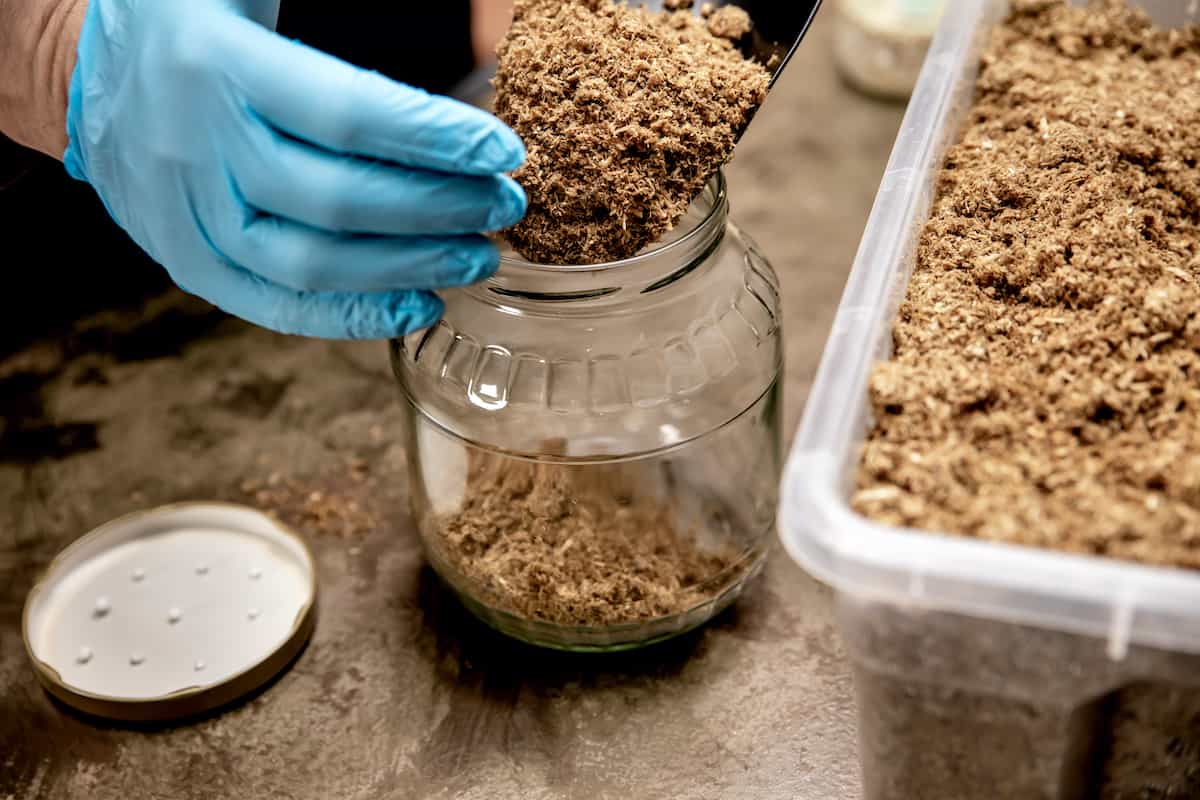
Successfully navigating the transition from incubation to fruiting is a critical stage in mushroom cultivation. This phase involves carefully moving your fully colonized substrate to an environment that encourages the development of primordia and, ultimately, mature fruit bodies. The goal is to mimic the natural conditions that trigger fruiting, while maintaining a sterile and controlled environment to prevent contamination.The process requires meticulous attention to detail, from the physical act of transferring the substrate to setting up the ideal conditions for fruiting.
This includes managing humidity, fresh air exchange, and light, all of which play distinct roles in the mushroom’s life cycle.
Transferring Colonized Substrate
The physical transfer of your fully colonized substrate from its incubation container to its fruiting chamber is a pivotal moment. This step must be executed with the utmost care to minimize the risk of introducing contaminants, which can easily outcompete the mushroom mycelium at this vulnerable stage.The colonized substrate, often referred to as “cakes” or “blocks,” should be gently removed from their incubation vessels.
For substrates in jars, this typically involves inverting the jar and gently tapping it to release the cake. If the cake is firmly attached, a sterile knife or spatula can be used to carefully loosen its edges. For substrates in bags, the bag is usually opened, and the colonized block is carefully extracted. It is crucial to work in a clean environment, ideally a still air box or a laminar flow hood, to prevent airborne spores and bacteria from landing on the exposed mycelium.
Ideal Environmental Parameters for Fruit Body Development
Once the substrate is transferred, it needs to be placed in an environment that signals to the mycelium that it’s time to produce mushrooms. These environmental triggers are species-specific to some extent, but general parameters are widely applicable.The key environmental factors include:
- Humidity: High humidity is essential for fruit body formation. Mushrooms are primarily composed of water, and they require a consistently moist environment to develop. Aim for relative humidity levels between 85% and 95%. This can be achieved through misting the fruiting chamber walls or using a humidifier.
- Fresh Air Exchange (FAE): Mushrooms respire, consuming oxygen and releasing carbon dioxide. During incubation, CO2 levels can be high, which is beneficial for colonization. However, for fruiting, a sufficient supply of fresh air is necessary to prevent CO2 buildup and to encourage pinning (the initial formation of primordia). FAE is typically achieved through passive ventilation (holes in the fruiting chamber) or active methods like fanning or using a fan.
- Temperature: The ideal fruiting temperature varies by species. Generally, fruiting temperatures are slightly cooler than incubation temperatures. For many common species like
-Psilocybe cubensis*, a fruiting temperature range of 70-75°F (21-24°C) is optimal. - Light: While not a primary energy source for mushrooms, light acts as a directional cue for fruit body development. Indirect or ambient light is usually sufficient. Avoid direct sunlight, which can dry out the substrate and cause temperature fluctuations. A simple room light or a low-wattage fluorescent bulb on a timer can be used.
Ensuring a Smooth Transition from Incubation to Fruiting
A successful transition relies on minimizing stress to the colonized substrate and providing the necessary environmental cues promptly.Tips for a smooth transition include:
- Pre-Fruiting Conditions: Some growers advocate for a brief period of “casing” or introducing a thin layer of a non-nutritive substrate (like peat moss and vermiculite) over the colonized substrate. This casing layer helps retain moisture and provides a surface for pinning. If casing is used, it should be pasteurized or sterilized before application.
- Gradual Environmental Changes: Avoid drastic shifts in temperature, humidity, or light when moving the substrate. Introduce the fruiting conditions gradually if possible, especially if the incubation environment was significantly different.
- Patience: It can take a few days to a week or more for pinning to occur after transferring to fruiting conditions. Avoid the temptation to constantly disturb the substrate; allow it time to adapt and initiate fruiting.
- Observation: Regularly observe the substrate for signs of pinning. Small white bumps or knots are the first indicators of developing mushrooms.
Hygiene in Handling Colonized Substrate
Maintaining impeccable hygiene throughout the entire cultivation process, and especially during the transfer to fruiting, is paramount to preventing contamination.The colonized substrate is a rich food source for a wide array of microorganisms. Any exposure to contaminants during this stage can lead to the rapid takeover of the substrate by mold or bacteria, rendering the crop unsalvageable.Key hygiene practices include:
- Sterile Workspace: Always work in a clean, draft-free area. A still air box (SAB) or a laminar flow hood is highly recommended for handling colonized substrate to create a sterile working zone.
- Sanitization: Thoroughly wash your hands and forearms with soap and water. Sanitize your tools, such as scalpels, knives, and tweezers, with isopropyl alcohol (70% or higher) or by flame sterilizing them.
- Personal Protective Equipment (PPE): Wearing a face mask and gloves can significantly reduce the introduction of airborne contaminants from your breath and skin.
- Minimizing Exposure Time: The less time the colonized substrate is exposed to the open air, the lower the risk of contamination. Work efficiently and deliberately.
- Quarantine New Items: Any new materials or equipment introduced into your grow space should be thoroughly cleaned and ideally quarantined to ensure they are not carrying contaminants.
Ending Remarks
In conclusion, the journey of mushroom substrate incubation is a rewarding one, demanding attention to detail and a nurturing approach. By understanding the foundational principles of substrate preparation, meticulously managing the incubation environment, and skillfully troubleshooting common challenges, you are well-equipped to foster healthy mycelial growth. This guide has provided a roadmap, from selecting the right substrate and preparing it with care to maintaining optimal conditions for colonization and preparing for the exciting transition to fruiting.
Embrace these techniques, observe your substrate diligently, and anticipate the satisfaction of a successful mushroom cultivation cycle.