Embarking on the culinary journey of preparing freshly harvested mushrooms is an art form, and understanding the nuances of their cleaning and preparation is paramount to unlocking their full flavor and texture. This comprehensive guide will illuminate the essential steps, from distinguishing between mushroom varieties and their specific needs to mastering gentle yet effective cleaning techniques.
We will delve into the subtle differences in preparing delicate, porous fungi versus their firmer counterparts, and explore the essential considerations for wild-foraged specimens. By the end, you’ll be equipped with the knowledge to transform your harvested treasures into culinary masterpieces, ensuring both safety and deliciousness in every dish.
Understanding Mushroom Types and Their Cleaning Needs
The diverse world of edible mushrooms, whether cultivated or wild-foraged, presents unique characteristics that directly influence how they should be cleaned and prepared. Understanding these differences is crucial for ensuring both food safety and optimal culinary results. This section delves into common mushroom varieties, the distinct challenges of wild specimens, the paramount importance of identification, and tailored cleaning approaches based on mushroom texture.Common edible mushrooms, such as the ubiquitous button mushroom (Agaricus bisporus), its slightly more mature relative cremini, and the larger portobello, share a similar cellular structure and are generally straightforward to clean.
Shiitake mushrooms, with their distinct woody stems and umbrella-like caps, and oyster mushrooms, known for their delicate, fan-like shapes, require slightly different handling due to their textures and growth patterns. Each of these cultivated varieties typically arrives relatively clean, minimizing the need for extensive preparation.Wild-foraged mushrooms, however, present a significantly different scenario. Unlike their cultivated counterparts, wild mushrooms are often found growing directly in soil, leaf litter, or on decaying wood.
This natural environment means they are more likely to harbor dirt, insects, and other debris. Furthermore, the sheer variety of wild species means that identifying them accurately before any preparation is not just a matter of culinary preference but a critical safety measure.
The identification of wild mushrooms is non-negotiable. Consuming a misidentified toxic mushroom can have severe, even fatal, consequences. Always consult with an experienced mycologist or a trusted identification guide if you are uncertain about a wild mushroom’s species.
The physical characteristics of mushrooms dictate the most effective cleaning methods. Delicate, porous varieties, such as enoki or some types of oyster mushrooms, absorb water readily. Over-soaking can lead to a soggy texture and diminished flavor. In contrast, firmer-fleshed mushrooms like portobellos can tolerate a bit more moisture without significant detriment.
Cultivated Mushroom Varieties and Their Cleaning
Cultivated mushrooms are bred for consistency and are typically sold in clean conditions. Their preparation often focuses on removing any minor surface imperfections or residual packaging materials.
- Button Mushrooms: These small, immature mushrooms have smooth caps and tightly closed gills. A gentle wipe with a damp cloth or a quick rinse under cool water is usually sufficient. Trim off any bruised spots.
- Cremini Mushrooms: Slightly more mature than button mushrooms, creminis have a more developed brown cap and slightly open gills. Similar to button mushrooms, they can be wiped clean or rinsed briefly. The stems are also edible and can be trimmed if tough.
- Portobello Mushrooms: These are mature cremini mushrooms, characterized by their large, open caps and dark, fully exposed gills. Their size and firmer flesh allow for more thorough cleaning. They can be wiped down, and the gills can be gently scraped out if a milder flavor is desired, though this is optional.
- Shiitake Mushrooms: Known for their rich, umami flavor, shiitakes have a woody stem that is generally not eaten. The caps have a distinct texture and can be wiped clean. The stems should be trimmed off and can be saved for making broth.
- Oyster Mushrooms: These mushrooms grow in clusters and have delicate, fan-shaped caps. Their porous nature means they should be cleaned very gently. A quick brush or a very brief rinse, followed by immediate drying, is recommended.
Wild-Foraged Mushroom Preparation Challenges
Wild mushrooms demand a more cautious and thorough approach to cleaning due to their natural habitat.
Wild mushrooms are often gathered from environments rich in soil, decaying organic matter, and potential contaminants. This necessitates a meticulous cleaning process to remove all traces of grit and debris. Furthermore, the diversity of wild species means that understanding their specific growth habits and associated contaminants is crucial.
Identification of Wild Mushrooms Before Cleaning
Accurate identification is the foundational step for any wild mushroom preparation. This is not merely about culinary preference but about ensuring safety.
Before any cleaning or preparation begins, a definitive identification of the wild mushroom species is absolutely essential. This process is critical because many poisonous mushrooms closely resemble edible varieties. Misidentification can lead to severe poisoning, with symptoms ranging from gastrointestinal distress to liver and kidney failure, and in the most severe cases, death. Expert consultation is highly recommended for individuals who are not seasoned mycologists.
Comparative Cleaning Approaches: Delicate vs. Firm Mushrooms
The texture and porosity of mushrooms significantly influence the best cleaning techniques to preserve their quality.
- Delicate and Porous Mushrooms: Mushrooms like enoki, morels, and some varieties of oyster mushrooms have a highly absorbent structure. They should be cleaned with a soft brush or a dry paper towel to remove surface dirt. If rinsing is necessary, it should be extremely brief, followed by immediate and thorough patting dry. Over-exposure to water can lead to a mushy texture and a diluted flavor.
For morels, which can harbor grit in their honeycomb-like structure, a gentle rinse while holding them upside down and a thorough shake is often employed, but care must be taken not to soak them.
- Firm-Fleshed Mushrooms: Mushrooms with denser flesh, such as portobellos, king oyster mushrooms, and some wild boletes, are more forgiving. They can withstand a slightly more vigorous cleaning with a damp cloth or a quick dip in cool water. Any embedded dirt can be gently brushed away. For very firm mushrooms, a quick rinse is generally acceptable, provided they are dried thoroughly afterward to prevent sogginess.
Gentle Cleaning Techniques for Freshly Harvested Mushrooms
Proper cleaning is a crucial step in preparing your homegrown mushrooms for consumption or storage. The goal is to remove any lingering soil, debris, or growing medium without compromising the mushroom’s delicate texture or flavor. This section will guide you through the most effective and gentle methods.
Dry Cleaning Mushrooms: The Preferred Method
For most mushroom varieties, dry cleaning is the recommended approach. This technique preserves the mushroom’s natural moisture content and prevents it from becoming waterlogged, which can lead to a less desirable texture and diminished flavor.
Tools and Motions for Dry Cleaning
The primary objective of dry cleaning is to brush away loose particles. The ideal tools are soft and non-abrasive, ensuring they don’t damage the mushroom’s surface.
A step-by-step process for dry cleaning involves:
- Select your tool: A soft-bristled pastry brush, a clean paintbrush, or even a dry paper towel are excellent choices. For stubborn dirt, a slightly damp cloth can be used very carefully.
- Gentle brushing: Hold the mushroom by its stem. Using light, sweeping motions, brush away any visible soil, peat moss, or other growing medium from the cap and stem. Work from the top of the cap downwards towards the stem.
- Cap cleaning: For the mushroom cap, focus on gently brushing away any debris. If the cap has gills, be particularly delicate to avoid dislodging them.
- Stem cleaning: Pay attention to the base of the stem, where dirt often accumulates. Brush thoroughly to remove all traces of the growing medium.
- Repeat if necessary: For mushrooms with intricate structures or significant debris, you may need to repeat the brushing process a few times.
Washing Mushrooms with Water: When and Why
While dry cleaning is generally preferred, there are instances where a light rinse with water might be considered. However, it’s essential to understand the potential drawbacks and use this method judiciously.
Acceptable Scenarios and Potential Drawbacks
Mushrooms are highly porous and can absorb water like a sponge. Excessive water absorption can lead to a soggy texture, a diluted flavor, and a shorter shelf life. Therefore, washing with water should be a last resort for particularly soiled mushrooms.
“Mushrooms are like sponges; they absorb water readily, which can negatively impact their texture and flavor.”
If you must wash your mushrooms, do so quickly and with minimal water. A brief immersion in cool water followed by immediate drying is preferable to prolonged soaking. The key is to minimize contact time with water.
Effective Methods for Removing Soil and Debris
Beyond brushing, other methods can be employed to ensure your mushrooms are thoroughly clean. The approach will depend on the type of mushroom and the nature of the debris.
Techniques for Surface Decontamination
Removing residual growing medium requires a combination of gentle abrasion and careful handling.
- Brushing: As detailed above, this is the primary method for dislodging loose soil and debris.
- Damp cloth wiping: For stubborn dirt that brushing cannot remove, a slightly damp (not wet) cloth can be used to gently wipe the surface. Ensure the cloth is wrung out thoroughly.
- Peeling the cap (optional): For some mushroom varieties, like shiitake, the outer skin of the cap can be gently peeled away if it is particularly dirty or tough. This is usually not necessary for most common culinary mushrooms.
- Trimming the stem base: The very end of the mushroom stem, where it was cut from the substrate, often contains the most soil. Trimming off a small sliver of the base with a sharp knife is an effective way to remove this concentrated dirt.
Repurposing Household Items for Mushroom Cleaning
Many common household items can be effectively repurposed for cleaning your harvested mushrooms, making the process convenient and cost-effective.
A List of Practical Cleaning Tools
When preparing to clean your mushrooms, consider these readily available items:
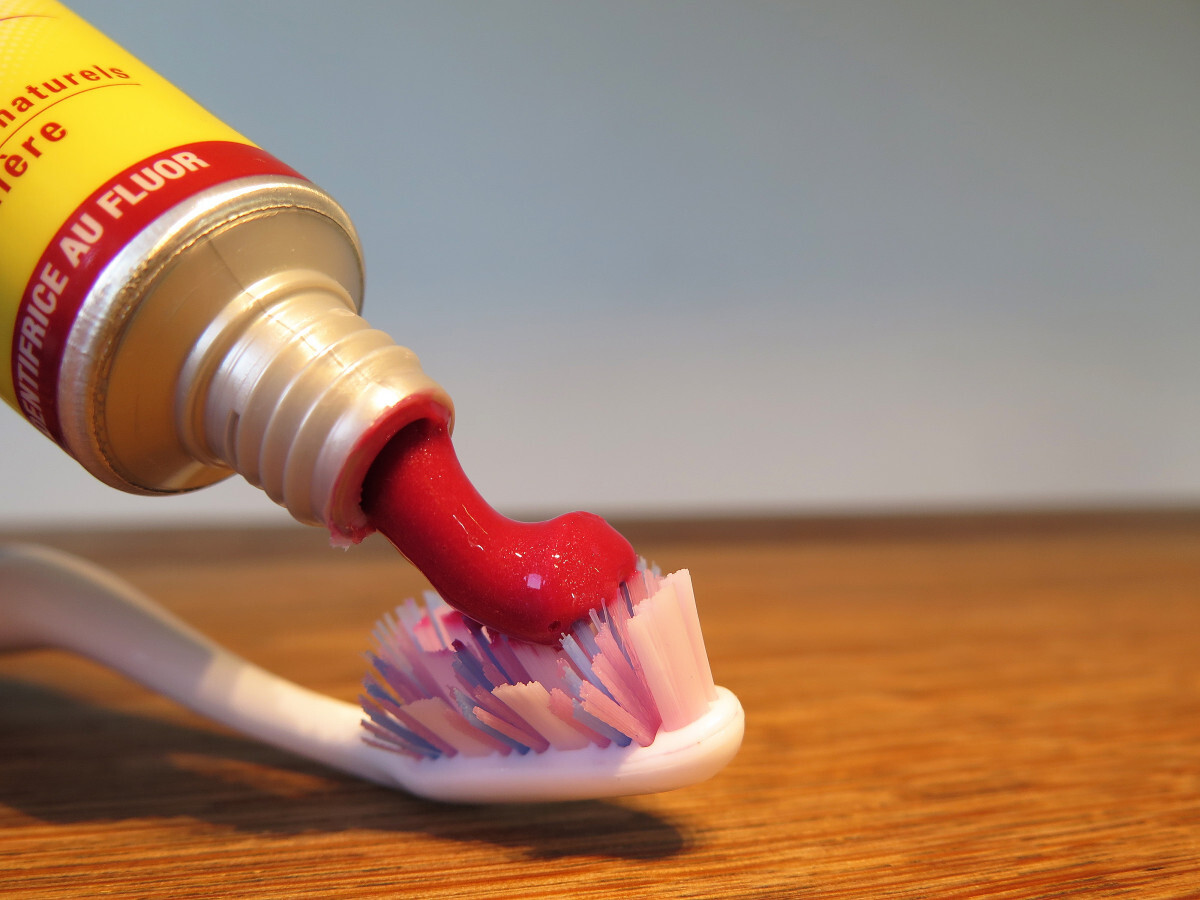
- Soft-bristled brushes: Pastry brushes, new paintbrushes (ensure they are clean and have not been used with paint), or even a soft toothbrush can be excellent for gently brushing away debris.
- Paper towels: Dry paper towels are useful for wiping away loose dirt or for gently patting mushrooms dry after a quick rinse.
- Clean kitchen cloths: A soft, lint-free kitchen cloth, slightly dampened, can be used for wiping away more persistent dirt.
- Sharp paring knife: Essential for trimming the very base of the mushroom stem to remove any soil or substrate.
- Small bowls: For a very quick rinse, a small bowl of cool water can be used, but ensure it’s only for a brief dip.
Advanced Cleaning and Preparation for Specific Uses
Once you have a good understanding of general mushroom cleaning and the specific needs of different varieties, you can move on to preparing them for various culinary applications. The way you clean and prepare mushrooms can significantly impact their texture, flavor, and overall success in a dish. This section will guide you through advanced techniques tailored for common cooking methods.Proper preparation ensures that mushrooms contribute their best to your meals, whether you’re aiming for a perfect sear, a delightful char, or a flavorful base for a hearty soup.
Let’s explore how to get the most out of your harvested fungi for specific cooking techniques.
Mushroom Preparation for Sautéing
Sautéing is a popular method for cooking mushrooms, and achieving optimal browning and texture is key to unlocking their rich, umami flavor. The goal is to allow the mushrooms to release their moisture and then caramelize, creating a delightful crispness and depth of flavor. Overcrowding the pan is a common mistake that leads to steaming rather than browning.To prepare mushrooms for sautéing:
- Select the Right Mushrooms: Firm-fleshed mushrooms like cremini, shiitake, and oyster mushrooms are excellent for sautéing due to their texture and ability to brown well.
- Clean Thoroughly: Ensure mushrooms are clean and dry. For sautéing, a quick wipe with a damp cloth or a gentle brush is usually sufficient. If they are particularly dirty, a very brief rinse followed by thorough patting dry is acceptable, but avoid soaking.
- Slice Uniformly: Cut mushrooms into consistent, bite-sized pieces. This ensures even cooking. Thicker slices tend to hold up better and achieve a better sear.
- Preheat the Pan: Use a large skillet or sauté pan and heat it over medium-high heat. A hot pan is crucial for good browning.
- Add Fat: Once the pan is hot, add a tablespoon or two of your preferred cooking fat, such as butter, olive oil, or a combination.
- Cook in Batches: This is the most critical step for browning. Add mushrooms to the hot pan in a single layer, ensuring they are not overcrowded. Cook undisturbed for a few minutes until they develop a golden-brown crust on one side before stirring. Continue to cook, stirring occasionally, until they are tender and beautifully browned.
“The secret to perfectly sautéed mushrooms is patience and not overcrowding the pan. Allow them to brown properly before stirring.”
Mushroom Preparation for Grilling or Roasting
Grilling and roasting impart a wonderful smoky flavor and slightly chewy texture to mushrooms. These methods benefit from mushrooms that can withstand higher heat and retain their structure. Pre-treatment can help enhance flavor and ensure even cooking.The process for preparing mushrooms for grilling or roasting involves:
- Choose Sturdy Mushrooms: Portobello, shiitake, and king oyster mushrooms are excellent choices for grilling and roasting due to their dense flesh and ability to hold their shape.
- Clean and Trim: Clean mushrooms as described previously. For portobellos, you may want to gently scrape out the dark gills with a spoon if you prefer a milder flavor and cleaner appearance, though this is optional. Trim off any tough stems.
- Marinate (Optional but Recommended): Marinating mushrooms for at least 30 minutes can infuse them with flavor and help tenderize them. A simple marinade can include olive oil, garlic, herbs (like thyme or rosemary), soy sauce, balsamic vinegar, or lemon juice.
- Pre-treatment for Roasting: For roasting, toss mushrooms with olive oil, salt, pepper, and any desired herbs or spices. Spread them in a single layer on a baking sheet.
- Pre-treatment for Grilling: For grilling, you can either thread larger mushrooms or mushroom pieces onto skewers after marinating, or place them directly on the grill grates. If placing directly on the grates, ensure they are well-oiled to prevent sticking.
- Cooking Temperature: Roast at temperatures typically between 400-425°F (200-220°C). Grill over medium-high heat.
Mushroom Preparation for Soups and Stews
When incorporating mushrooms into soups and stews, their high water content needs to be managed to prevent the dish from becoming watery and to maximize their flavor. Pre-cooking them to release some moisture and concentrate their flavor is a beneficial step.To prepare mushrooms for soups and stews:
- Select Flavorful Mushrooms: Varieties like cremini, shiitake, and porcini mushrooms are excellent for adding depth of flavor to broths and stews.
- Clean and Slice: Clean mushrooms thoroughly. Slice them into desired sizes, keeping in mind they will shrink during cooking.
- Sauté First: Before adding mushrooms to the main soup or stew liquid, it is highly recommended to sauté them in a separate pan with a little oil or butter. This process allows them to release a significant amount of their water and develop a richer, more concentrated flavor.
- Deglaze the Pan: After sautéing the mushrooms, you can deglaze the pan with a splash of wine, broth, or water, scraping up any browned bits. This flavorful liquid can then be added to your soup or stew.
- Add to Dish: Once the mushrooms have been sautéed and their liquid released, they can be added to your soup or stew during the cooking process.
For instance, when making a mushroom barley soup, sautéing the mushrooms beforehand will result in a more intensely mushroom-flavored broth rather than a diluted one.
Mushroom Preparation for Drying or Pickling
Drying and pickling are excellent preservation methods for mushrooms, allowing you to enjoy their flavor long after harvest. The preparation for these methods focuses on removing moisture (for drying) or preparing them to absorb pickling brine (for pickling).Methods for cleaning and preparing mushrooms for drying or pickling include:
- For Drying:
- Select Dry Mushrooms: It’s best to dry mushrooms when they are firm and relatively dry.
- Clean Gently: Brush off any dirt or debris. Avoid washing if possible, as excess moisture will prolong drying time. If washing is necessary, do it quickly and pat them completely dry.
- Slice Thinly: Slice mushrooms into uniform, thin pieces (about 1/8 to 1/4 inch thick). This ensures even drying.
- Drying Methods:
- Dehydrator: Arrange slices in a single layer on dehydrator trays. Follow the manufacturer’s instructions for mushroom drying, typically at around 125-135°F (52-57°C) until brittle.
- Oven: Place slices on baking sheets lined with parchment paper. Dry in an oven set to its lowest temperature (around 140-150°F or 60-65°C), with the oven door slightly ajar to allow moisture to escape. This can take several hours.
- Air Drying: In very dry climates, mushrooms can be air-dried by stringing them on thread or placing them on screens, but this is less reliable and takes longer.
- Storage: Once completely dry and cooled, store in airtight containers in a cool, dark place.
- For Pickling:
- Choose Firm Mushrooms: Button, cremini, shiitake, and oyster mushrooms are good candidates for pickling.
- Clean and Trim: Clean thoroughly and trim off any tough stems.
- Size Matters: Small whole mushrooms can be pickled, while larger ones should be sliced or quartered. Aim for pieces that will fit easily into your jars.
- Pre-treatment (Optional Blanching): Some recipes suggest briefly blanching mushrooms in boiling water for a minute or two before pickling. This can help them absorb the brine better and improve texture. Drain and cool them thoroughly afterward.
- Brine Preparation: Prepare your pickling brine according to your chosen recipe, typically involving vinegar, water, salt, sugar, and spices like peppercorns, dill, mustard seeds, and garlic.
- Jarring: Pack the prepared mushrooms tightly into clean jars. Pour the hot pickling brine over the mushrooms, ensuring they are fully submerged. Seal the jars and process them for canning if desired, or refrigerate for immediate consumption.
Prepping Mushrooms for Storage and Preservation
Properly preparing your freshly harvested mushrooms for storage is crucial for maintaining their flavor, texture, and nutritional value. This section will guide you through the best practices for preparing mushrooms for refrigeration, freezing, and dehydration, ensuring you can enjoy your bounty for as long as possible. Understanding these methods will help you minimize waste and maximize the enjoyment of your homegrown or foraged mushrooms.Proper cleaning is the first step before any storage method.
After gently cleaning, the subsequent preparation steps vary significantly depending on whether you intend to refrigerate, freeze, or dehydrate your mushrooms. Each method requires specific pre-treatment to ensure optimal results and longevity.
Mushroom Refrigeration Preparation
Refrigeration is suitable for short-term storage of mushrooms. The key is to allow them to breathe while preventing excessive moisture loss or absorption.The recommended method for storing fresh mushrooms in the refrigerator involves a paper bag. This allows for air circulation, which is vital for preventing the development of slime and mold. Avoid storing mushrooms in plastic bags or airtight containers, as these trap moisture.
- Gently brush or wipe away any remaining soil or debris from the mushrooms. Do not wash them if you plan to refrigerate them soon, as excess moisture can accelerate spoilage.
- Place the cleaned mushrooms in a single layer or loosely in a brown paper bag.
- Fold the top of the bag over to close it loosely.
- Store the bag in the main compartment of your refrigerator, not in the crisper drawer, which can be too humid.
Mushrooms stored this way typically last for 3 to 7 days, depending on the mushroom type and their initial freshness. Delicate varieties like oyster mushrooms may have a shorter shelf life than firmer mushrooms like cremini or portobello.
Mushroom Freezing Preparation
Freezing is an excellent method for long-term preservation, but mushrooms require pre-treatment to prevent them from becoming mushy upon thawing. Blanching or sautéing are the most common and effective pre-treatment steps.Before freezing, it’s important to prepare mushrooms to maintain their texture and flavor. Raw mushrooms, when frozen, tend to release a lot of water and can become unpleasantly soft. Pre-cooking helps to firm them up and preserve their quality.
Blanching Mushrooms for Freezing
Blanching involves briefly immersing mushrooms in boiling water or steaming them, followed by an ice bath. This process deactivates enzymes that cause spoilage and degradation.
To blanch mushrooms:
- Clean and slice or chop the mushrooms as desired.
- Prepare an ice bath by filling a large bowl with ice and water.
- Bring a pot of water to a rolling boil.
- Add the mushrooms to the boiling water for 1 to 2 minutes.
- Immediately remove the mushrooms with a slotted spoon and plunge them into the ice bath to stop the cooking process.
- Drain the mushrooms thoroughly and pat them dry with paper towels.
- Spread the blanched mushrooms in a single layer on a baking sheet and freeze until solid.
- Once frozen, transfer the mushrooms to airtight freezer bags or containers.
Blanched mushrooms can be stored in the freezer for up to 12 months.
Sautéing Mushrooms for Freezing
Sautéing mushrooms in a little oil or butter before freezing can enhance their flavor and also help to reduce their moisture content, leading to a better texture after thawing.
To sauté mushrooms for freezing:
- Clean and slice or chop the mushrooms.
- Heat a tablespoon of oil or butter in a skillet over medium-high heat.
- Add the mushrooms and cook, stirring occasionally, until they have released their liquid and started to brown. This typically takes 5-10 minutes.
- Remove from heat and let the sautéed mushrooms cool completely.
- Portion the cooled mushrooms into freezer bags or containers.
Sautéed mushrooms can also be stored in the freezer for up to 12 months and are often preferred for their richer flavor.
Mushroom Dehydration Preparation
Dehydration is a highly effective method for long-term storage, significantly extending the shelf life of mushrooms. Properly preparing them ensures they dry evenly and retain their flavor.Preparing mushrooms for dehydration involves cleaning them thoroughly and slicing them to an appropriate thickness for even drying. The goal is to remove as much moisture as possible without cooking the mushrooms.
Steps for preparing mushrooms for dehydration:
- Gently clean the mushrooms, ensuring all soil and debris are removed. Avoid washing if possible; brushing is preferred. If washing is necessary, do so quickly and pat them thoroughly dry.
- Slice the mushrooms uniformly, aiming for a thickness of about 1/8 to 1/4 inch. Thicker slices will take longer to dry. Smaller mushrooms can be left whole or halved.
- Arrange the mushroom slices in a single layer on the racks of your dehydrator or on baking sheets if using an oven. Ensure there is space between the pieces for air circulation.
- If using a dehydrator, follow the manufacturer’s instructions for temperature and drying time, typically around 125-135°F (52-57°C) for 6-12 hours.
- If using an oven, set it to the lowest possible temperature (around 135-140°F or 57-60°C), prop the oven door open slightly to allow moisture to escape, and dry for 4-8 hours, or until the mushrooms are brittle.
Properly dehydrated mushrooms should be brittle and snap when bent. Once cooled, store them in airtight containers in a cool, dark place. They can last for a year or more.
Comparison of Mushroom Storage Methods
Each storage method offers distinct advantages and disadvantages in terms of shelf life, quality retention, and preparation effort.The choice of storage method significantly impacts how long your mushrooms will last and how they will be best utilized. Understanding these differences allows for optimal preservation and culinary application.
| Storage Method | Preparation | Shelf Life | Impact on Quality | Best For |
|---|---|---|---|---|
| Refrigeration | Minimal (cleaning, paper bag) | 3-7 days | Maintains fresh texture and flavor for a short period. Risk of spoilage if not managed well. | Immediate use. |
| Freezing (Blanched) | Blanching (boiling water + ice bath), drying, freezing. | Up to 12 months | Slightly softer texture upon thawing but retains good flavor. | Soups, stews, sauces, cooked dishes where texture is less critical. |
| Freezing (Sautéed) | Sautéing, cooling, freezing. | Up to 12 months | Retains more flavor and a slightly firmer texture compared to blanching. | Similar to blanched, but often preferred for enhanced taste. |
| Dehydration | Cleaning, uniform slicing, drying. | 1 year or more | Intensifies flavor, significantly alters texture (becomes brittle). Rehydrates well for cooking. | Adding to dried soups, stews, or rehydrating for various dishes. Excellent for long-term pantry storage. |
Common Mistakes to Avoid When Cleaning Mushrooms
Ensuring your mushrooms are properly cleaned and prepared is crucial for enjoying their full flavor and texture, as well as for their safe consumption. Unfortunately, several common missteps can compromise even the most carefully harvested fungi. Understanding these pitfalls can help you achieve perfect mushroom preparation every time.
Over-Washing and Soaking Mushrooms
One of the most frequent errors is subjecting mushrooms to excessive water, often by soaking them or washing them under a strong stream of running water. Mushrooms are highly porous, much like sponges, and readily absorb liquids. This over-saturation can lead to a mushy texture, diluting their natural, earthy flavor. Instead of absorbing delicious marinades or sauces, they may release their absorbed water, resulting in a watery dish.
Using Harsh Cleaning Tools
Employing abrasive brushes, steel wool, or even rough paper towels can damage the delicate surface of mushrooms. This can tear the gills, bruise the caps, and remove some of the desirable outer skin, impacting both appearance and texture. For many mushroom varieties, a gentle wipe is all that is needed.
Ignoring Specific Mushroom Needs
Not all mushrooms are created equal when it comes to cleaning. For instance, morels, with their honeycomb-like structure, require thorough rinsing to remove soil and grit trapped within their pores. In contrast, delicate oyster mushrooms or shiitakes benefit from a much lighter touch. Failing to adapt cleaning methods to the specific type of mushroom can lead to damage or inadequate cleaning.
Improper Removal of Stems and Debris
While it’s important to remove any tough or woody parts of the stem, cutting too much can waste edible mushroom material. Conversely, leaving on dirty or tough ends can detract from the overall quality of the dish. Similarly, not thoroughly removing any visible soil or debris can lead to an unpleasant gritty texture in the final preparation.
Consequences of Improper Cleaning
The ramifications of incorrect mushroom cleaning extend beyond just taste and texture. Over-washed mushrooms can become waterlogged, leading to faster spoilage due to increased moisture content, creating an environment conducive to bacterial growth. This can significantly shorten their shelf life. Furthermore, improperly cleaned mushrooms might retain soil or grit, which can be unpleasant and even harmful if ingested.
Salvaging Over-Handled or Improperly Cleaned Mushrooms
If you find that you’ve accidentally over-washed or roughly handled your mushrooms, there are a few ways to mitigate the damage. For slightly over-washed mushrooms, you can try spreading them out on a clean kitchen towel or paper towels in a single layer and allowing them to air dry for a while. This can help to reabsorb some of the excess moisture.
For mushrooms that have been bruised, try to trim away the bruised sections before cooking. If the flavor has been significantly diluted by over-washing, consider using them in dishes where their flavor will be less prominent, such as in a hearty soup or a creamy sauce where other ingredients can contribute to the overall taste profile.
Signs of Unsuitability for Consumption
It is crucial to recognize when a mushroom is no longer safe or palatable for consumption due to improper cleaning or preparation. The following signs indicate that a mushroom should be discarded:
- Sliminess: While some mushrooms have a naturally slightly slick surface, an excessive, viscous slime is a strong indicator of spoilage, often exacerbated by improper storage after inadequate drying.
- Unpleasant Odor: Fresh mushrooms have a mild, earthy aroma. A strong, sour, ammoniac-like, or generally foul smell suggests bacterial decomposition.
- Mold Growth: Any visible fuzzy or colored mold on the surface of the mushroom means it is past its prime and should not be eaten.
- Discoloration: Significant browning or dark spots, beyond what might be expected from natural aging or minor bruising, can signal spoilage.
- Mushy or Decomposed Texture: If the mushroom has lost its firmness and feels excessively soft, mushy, or has areas that appear to be breaking down, it is likely spoiled.
Final Summary

In conclusion, the careful cleaning and preparation of your harvested mushrooms are foundational steps that significantly impact their final culinary presentation and enjoyment. By understanding the unique characteristics of different mushroom types, employing appropriate gentle cleaning methods, and tailoring preparation to specific cooking techniques, you ensure optimal flavor, texture, and safety.
Mastering these practices, from proper storage to avoiding common pitfalls, will elevate your mushroom dishes from good to exceptional, allowing you to fully appreciate the bounty of your harvest and confidently explore the diverse world of mushroom cookery.