Embarking on the journey of cultivating your own mushrooms from common grocery store finds is a remarkably accessible and rewarding endeavor. This guide will illuminate the straightforward process of transforming discarded mushroom stems into a flourishing source of fresh, delicious fungi right in your own home.
We will explore the fundamental principles that allow this remarkable transformation, from selecting the ideal stems to creating the perfect environment for growth and understanding the crucial stages of cultivation, harvesting, and troubleshooting common challenges. Prepare to unlock a new level of culinary creativity and self-sufficiency by learning How to Grow Mushrooms from Store-Bought Stems.
Understanding the Basics of Mushroom Cultivation from Store-Bought Stems
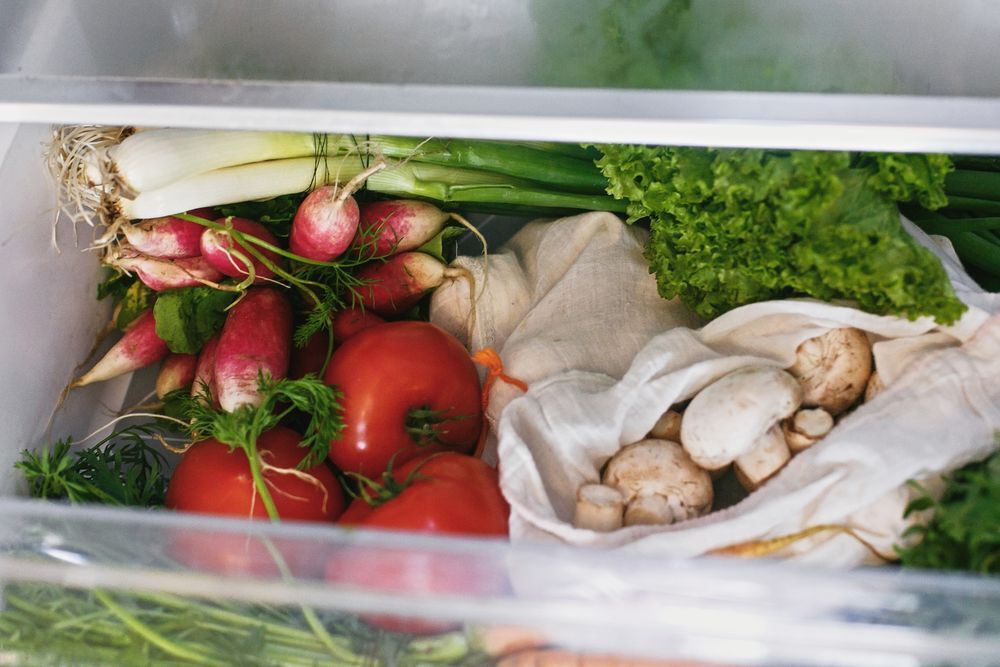
Embarking on the journey of growing your own mushrooms from store-bought stems is an accessible and rewarding endeavor, bringing a touch of nature’s bounty right into your kitchen. This method leverages the residual mycelium present in the stems of certain mushroom varieties, allowing you to regenerate a new crop with minimal specialized equipment. It’s a fantastic way to reduce food waste and experience the satisfaction of cultivating fresh produce.The principle behind growing mushrooms from store-bought stems is rooted in the biological nature of fungi.
Mushrooms, as we commonly see them, are the fruiting bodies of a larger, underground network of thread-like structures called mycelium. When you purchase mushrooms, especially those sold with their stems intact, there’s often viable mycelium still attached or within the stem base. By providing the right conditions, this dormant mycelium can be reactivated and encouraged to produce new mushrooms.
Mushroom Varieties Suitable for Stem Cultivation
Not all store-bought mushrooms are equally amenable to cultivation from their stems. Certain species possess more robust mycelium and a greater propensity to regrow. Success is most commonly achieved with varieties that are already commercially cultivated using methods that leave ample viable mycelium.Commonly suitable mushroom types include:
- Oyster Mushrooms (Pleurotus spp.): These are perhaps the most popular and easiest for stem cultivation. Their mycelium is vigorous, and they readily colonize suitable substrates. You’ll often find them sold in clusters, and the stems from these are excellent starting points.
- Shiitake Mushrooms (Lentinula edodes): While slightly more demanding than oyster mushrooms, shiitake stems can also be used. They require a bit more patience and specific conditions to initiate fruiting.
- Button Mushrooms/Cremini/Portobello (Agaricus bisporus): These are the most widely available mushrooms. While their stems contain mycelium, the success rate for regrowth from store-bought stems can be lower and more variable compared to oyster or shiitake mushrooms, often requiring more controlled environments.
Fundamental Biological Principles of Stem Cultivation
The ability of mushroom stems to regrow new mushrooms is based on the life cycle and reproductive capabilities of fungi. Mycelium, the vegetative part of a fungus, is essentially a network of hyphae. When conditions are favorable, this mycelium can expand, consume nutrients, and eventually initiate the formation of new fruiting bodies – the mushrooms we harvest.The core biological principles at play are:
- Mycelial Viability: The stems contain dormant or active mycelium. This mycelium is a living organism capable of growth and reproduction.
- Nutrient Uptake: The mycelium requires a food source to grow and produce mushrooms. In a cultivation setup, this is provided by a substrate.
- Environmental Triggers: Fungi are sensitive to environmental cues. Temperature, humidity, light, and fresh air exchange are crucial factors that trigger the mycelium to shift from vegetative growth to reproductive (fruiting) growth.
- Spore Production: Once mature, mushrooms release spores, which are the fungal equivalent of seeds, to propagate further. While stem cultivation focuses on vegetative regrowth, the underlying biology is geared towards reproduction.
Essential Components for Successful Stem Cultivation
To successfully cultivate mushrooms from store-bought stems, you will need a few key components that mimic the ideal conditions for mycelial growth and fruiting. These elements provide the necessary support, nutrients, and environmental triggers for your mushroom stems to thrive.The essential components include:
- Mushroom Stems: The starting material, preferably from fresh, healthy mushrooms, with a good portion of the stem base intact.
- Substrate: This is the food source for the mycelium. Common and accessible substrates include:
- Cardboard: Sterilized or pasteurized corrugated cardboard is an excellent and readily available substrate for many mushroom types, especially oyster mushrooms.
- Sawdust/Wood Pellets: These provide a rich nutrient source, particularly for shiitake and some oyster varieties. Ensure they are pasteurized or sterilized to prevent contamination.
- Coffee Grounds: Spent coffee grounds can be a surprisingly good substrate, especially when mixed with other materials, offering a nutrient-rich and easily accessible option for oyster mushrooms.
- Container: A vessel to hold the substrate and mushroom stems. This can range from simple plastic bags or containers to larger tubs, depending on the scale of your cultivation. Ensure it allows for some air exchange.
- Water Source: Maintaining adequate humidity is critical. A spray bottle for misting is essential to keep the substrate and developing mushrooms moist.
- Environmental Control: While not always a physical component, controlling the environment is vital. This involves maintaining appropriate temperatures, ensuring adequate indirect light (mushrooms do not need direct sunlight), and providing fresh air exchange.
Selecting and Preparing Your Mushroom Stems
Embarking on your mushroom cultivation journey begins with a crucial step: selecting and preparing the right mushroom stems. The success of your grow often hinges on the quality of the starting material. This section will guide you through choosing optimal stems from your grocery store purchases and preparing them for their new life as a mushroom-producing culture.The process of preparing your mushroom stems is designed to maximize their viability and minimize contamination.
By carefully selecting and cleaning your stems, you are setting the stage for a healthy and productive mushroom harvest. This meticulous approach ensures that you are working with the best possible foundation for your cultivation efforts.
Choosing the Best Stems from Grocery Store Mushrooms
Not all mushroom stems are created equal when it comes to cultivation. Opting for stems from fresh, healthy mushrooms will significantly increase your chances of success. Look for stems that are firm, plump, and free from any signs of damage, sliminess, or mold. The goal is to identify stems that have a robust cellular structure, indicating they are still vital and capable of regeneration.Here are the key characteristics to look for when selecting your mushroom stems:
- Freshness: Select mushrooms that appear recently harvested, avoiding those that are already wilting or showing signs of decay.
- Firmness: The stems should feel solid to the touch, not soft or mushy. This indicates good hydration and structural integrity.
- Absence of Contamination: Carefully inspect the stems for any green, black, or fuzzy spots, which are indicative of mold or bacterial contamination.
- Size and Thickness: Thicker, more substantial stems generally contain more viable mycelium and nutrients, offering a better starting point.
- Origin: While not always discernible, mushrooms grown in controlled environments (often labeled as such) tend to be healthier and less prone to initial contamination.
Cleaning and Sterilizing Mushroom Stems
Once you have selected your ideal mushroom stems, the next step is to clean and sterilize them to remove any surface contaminants and create a sterile environment for the mycelium to thrive. This is a critical stage to prevent unwanted molds and bacteria from outcompeting your mushroom culture.The cleaning process involves gently removing any residual growing substrate and surface debris.
For sterilization, a mild heat treatment is often sufficient to kill most common contaminants without damaging the mushroom tissue.Here are the steps for cleaning and sterilizing your mushroom stems:
- Initial Cleaning: Gently brush off any visible soil or growing medium from the stems using a soft brush or a dry paper towel. Avoid washing with water at this stage, as excess moisture can promote bacterial growth.
- Surface Sterilization: A common and effective method is to lightly spray the stems with a 3% hydrogen peroxide solution. This solution acts as a mild disinfectant, killing many surface contaminants. Allow the stems to air dry for a few minutes after spraying.
- Further Cleaning (Optional but Recommended): Some cultivators prefer to lightly rinse the stems under cool, running water after the hydrogen peroxide treatment, followed by a thorough pat-down with clean paper towels to remove any remaining residue and excess moisture.
- Aseptic Handling: Always handle the stems with clean hands or sterilized tools (like tweezers) to avoid reintroducing contaminants.
Ideal Characteristics of Stems for Best Results
To achieve the most prolific and successful mushroom harvests, certain stem characteristics are more desirable than others. These qualities are indicative of healthy, robust mycelium within the stem, ready to colonize a new substrate.The ideal stems possess a combination of physical attributes that suggest strong viability and a high potential for growth. These include:
- Vibrant White Mycelium: If any part of the stem has been cut or is slightly exposed, look for healthy, white, thread-like growth (mycelium). This is a strong indicator of active and healthy fungal life.
- Absence of Discoloration: Beyond mold, avoid stems with brown or yellowing spots, which can signify aging or stress.
- Sufficient Length: Longer stems provide more material to work with and potentially more active mycelium.
- Firm Texture: As mentioned previously, a firm stem suggests good internal structure and hydration, essential for nutrient transport and mycelial growth.
Preparing the Stems for Their New Growing Environment
Once your chosen mushroom stems have been selected, cleaned, and sterilized, they are ready for the next phase: preparation for their new growing environment. This involves cutting the stems into smaller pieces, which increases the surface area for colonization and makes them easier to integrate into your chosen substrate.The method of preparation depends on the type of mushroom and the substrate you intend to use.
However, the core principle is to create small, manageable pieces of stem that will readily inocment your growing medium.Here are the detailed methods for preparing stems for their new environment:
- Cutting the Stems: Using a sharp, sterilized knife or scalpel, cut the mushroom stems into small pieces. Aim for pieces roughly 1-2 centimeters in size. Ensure your cutting tool is sterilized before each cut to maintain aseptic conditions. This can be done by wiping it with rubbing alcohol or passing it through a flame (allowing it to cool before use).
- Removing Damaged Parts: While cleaning, you might have noticed slightly bruised or discolored ends. It is advisable to cut these parts away to ensure you are inoculating with the healthiest tissue.
- Substrate Integration: The prepared stem pieces will then be introduced to your chosen growing substrate. This could be sterilized grain, sawdust, straw, or a composted material, depending on the mushroom species you are cultivating. The stem pieces act as the spawn, introducing the mushroom’s mycelium to the nutrient-rich environment.
- Inoculation Technique: When adding the stem pieces to your substrate, ensure they are evenly distributed. This promotes uniform colonization throughout the growing medium, leading to a more consistent and abundant flush of mushrooms.
Creating the Ideal Growing Environment
Establishing the right environment is paramount for successful mushroom cultivation from store-bought stems. This involves carefully controlling the conditions your mushrooms will experience as they grow, mimicking their natural habitat as closely as possible. By paying attention to temperature, humidity, light, and the substrate, you can significantly increase your chances of a bountiful harvest.This section will guide you through setting up a simple growing kit, explain the optimal environmental parameters, and explore suitable substrate options.
We will also highlight common pitfalls to avoid during this crucial stage.
Setting Up a Simple Mushroom Growing Kit
You can create an effective mushroom growing environment using common household items. The goal is to maintain consistent humidity and provide a stable temperature.
- Container Selection: Choose a clear plastic storage container with a lid. The size will depend on the quantity of stems you are trying to grow. A container approximately 10-15 gallons is a good starting point.
- Ventilation: Using a drill or a heated metal skewer, create several small holes (about 1/4 inch in diameter) around the sides and lid of the container. These holes will allow for fresh air exchange, which is vital for mushroom development. Aim for 6-10 holes on the sides and 2-4 on the lid.
- Humidity Retention: To maintain high humidity, you can line the bottom of the container with a layer of perlite or vermiculite. Alternatively, you can place a shallow tray of water inside the container.
- Substrate Layering: Once your substrate is prepared (discussed below), add it to the container, filling it about 2-4 inches deep.
- Stem Placement: Gently place your prepared mushroom stems on top of the substrate layer. Ensure they have good contact with the growing medium.
- Covering and Sealing: Lightly cover the stems with a thin layer of the same substrate material. Then, place the lid on the container. For the initial colonization phase, you might want to loosely fit the lid to allow for some air exchange while still retaining moisture.
- Location: Place the assembled kit in a location that meets the optimal temperature and light requirements for your specific mushroom species.
Optimal Conditions for Mushroom Growth
Mushrooms are sensitive organisms that thrive under specific environmental conditions. Understanding and replicating these conditions is key to maximizing your yield and quality.
Temperature
Most common edible mushrooms, such as oyster mushrooms, prefer a temperature range between 60-75°F (15-24°C) for fruiting. Some species may have slightly different preferences, so it’s always good to research the specific needs of the mushrooms you are growing. Consistent temperature is more important than slight fluctuations. Avoid placing your kit near direct heat sources or in drafty areas.
Humidity
High humidity, typically between 85-95%, is crucial for mushroom development. This is because mushrooms are primarily composed of water, and they need a moist environment to form their caps and stems properly. If the air is too dry, the mushrooms can dry out, stop growing, or develop malformations.
Light
While mushrooms do not photosynthesize like plants, they do require some light to trigger fruiting and guide their growth direction. Indirect, ambient light is usually sufficient. Avoid direct sunlight, which can overheat the growing environment and dry out the substrate. A north-facing window or a room with consistent, low-level artificial light is ideal.
Substrate Options for Mushroom Growth
The substrate is the food source and the structural medium for your mushrooms. Selecting the right substrate depends on the mushroom species and what is readily available to you.
Compost
Mushroom compost, often a blend of straw, manure, and other organic materials that has been pasteurized, is a classic substrate for many mushroom varieties, particularly Agaricus bisporus (common button mushrooms). It provides a rich nutrient base.
Straw
Chopped and pasteurized straw is an excellent substrate for oyster mushrooms. It is readily available, relatively inexpensive, and holds moisture well. It needs to be properly pasteurized to kill competing organisms.
Sawdust
Hardwood sawdust, such as oak or maple, is a common substrate for many wood-loving mushrooms, including shiitake and lion’s mane. It often needs to be supplemented with bran or other nutrients and then sterilized or pasteurized.
Other Options
Other materials like coffee grounds, cardboard, and even certain types of wood chips can also be used, often in combination with other ingredients, depending on the mushroom species’ requirements.
Common Mistakes to Avoid in the Growing Environment
Creating the perfect environment involves avoiding common errors that can hinder or halt mushroom growth. Being aware of these pitfalls can save you time and frustration.
- Insufficient Humidity: The most common mistake is not maintaining adequate humidity. This leads to dry, stunted mushrooms. Regularly misting the inside of your kit or ensuring your humidity retention methods are effective is vital.
- Poor Air Exchange: While high humidity is needed, mushrooms also require fresh air. A sealed container will lead to a buildup of CO2, which can inhibit fruiting. Ensure your ventilation holes are adequate and not blocked.
- Incorrect Temperature: Exposing your kit to extreme temperatures, either too hot or too cold, can damage the mycelium or prevent fruiting altogether. Monitor the temperature of your chosen location consistently.
- Direct Sunlight Exposure: Placing the kit in direct sunlight can cause the internal temperature to rise rapidly, effectively cooking the mycelium and any developing mushrooms. Always opt for indirect light.
- Contamination: Using non-pasteurized or non-sterilized substrates can introduce competing molds and bacteria, which will outcompete your mushroom mycelium. Proper preparation of the substrate is non-negotiable.
- Over-watering or Under-watering: While humidity is key, directly drenching the substrate can lead to waterlogging and anaerobic conditions, while too little water will dry it out. Misting is generally preferred over direct watering of the substrate.
The Cultivation Process and Fruiting
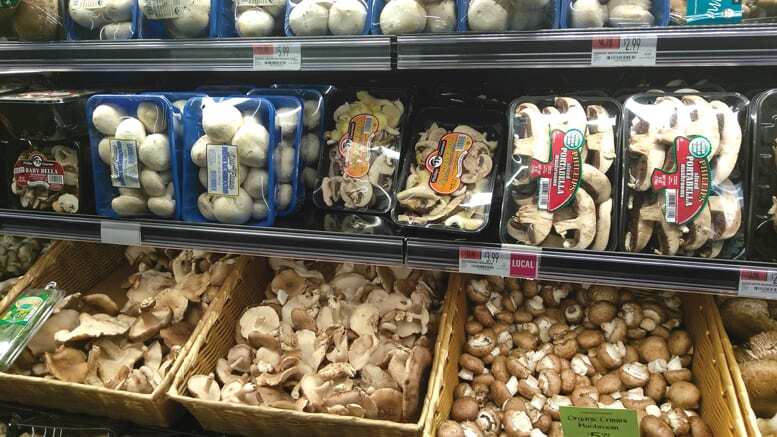
Once your substrate is prepared and your mushroom stems are ready, the next exciting phase is the cultivation process, leading to the emergence of delicious mushrooms. This stage requires careful attention to detail to ensure healthy growth and optimal fruiting. We will guide you through inoculating your substrate, maintaining the necessary environmental conditions, and understanding the fascinating development of mushrooms.The journey from a simple stem to a fully formed mushroom is a remarkable transformation.
By understanding each step and providing the right conditions, you can successfully cultivate your own mushrooms at home. This section will equip you with the knowledge to manage the growth cycle effectively and encourage abundant harvests.
Inoculating the Substrate with Mushroom Stems
Inoculation is the critical step where you introduce the mushroom’s living tissue (the stem) to its nutrient-rich food source (the substrate). This process allows the mushroom to colonize the substrate and begin its growth. Precision and cleanliness are paramount to prevent contamination by unwanted molds or bacteria.The procedure for inoculating the substrate with mushroom stems involves several key actions:
- Ensure all tools and your growing area are thoroughly sterilized to minimize the risk of contamination. This can be achieved using isopropyl alcohol or by flame-sterilizing tools.
- Gently break apart the mushroom stem into smaller pieces. This increases the surface area for colonization. Aim for pieces that are roughly the size of a small pea.
- Carefully place these stem fragments onto the surface of your prepared substrate. Distribute them evenly across the substrate to promote uniform colonization.
- Lightly cover the stem fragments with a thin layer of the substrate. This provides a protective environment for the initial growth and helps retain moisture.
- Seal the growing container. This is crucial for maintaining the high humidity and preventing the substrate from drying out during the colonization phase.
Maintaining Consistent Humidity Levels
Humidity plays a vital role in mushroom development, mimicking the moist environments where mushrooms naturally thrive. Consistent humidity is essential from the moment of inoculation through to the fruiting stage. Fluctuations can stress the mycelium and inhibit growth or the formation of fruiting bodies.Tips for maintaining consistent humidity levels throughout the growth cycle include:
- Using a humidity-controlled grow tent or chamber. These are designed to maintain stable humidity levels automatically.
- Regularly misting the inside walls of your growing container with a fine spray of water. Avoid directly spraying the substrate, as this can lead to waterlogging and contamination.
- Employing a hygrometer to monitor humidity levels. Aim for a relative humidity of 90-95% during the colonization and fruiting stages.
- Ensuring proper ventilation without excessive air exchange. While some fresh air is needed, too much can cause the humidity to drop rapidly.
- Covering the substrate with a light layer of perlite or vermiculite can help retain moisture and buffer humidity.
Stages of Mushroom Development
The transformation of mushroom stems into mature mushrooms follows a predictable, yet fascinating, sequence of development. Understanding these stages helps in anticipating needs and recognizing signs of healthy growth.The stages of mushroom development are as follows:
- Colonization: This is the initial phase where the mycelium, the vegetative part of the fungus, begins to grow from the inoculated stem fragments. The mycelium, appearing as a white, fuzzy network, will spread throughout the substrate, consuming nutrients. This can take anywhere from one to several weeks, depending on the mushroom species and environmental conditions.
- Primordia Formation (Pinning): Once the substrate is fully colonized, the mycelium prepares to fruit. Small, pinhead-sized knots of mycelium, called primordia or pins, will begin to form on the surface of the substrate. These are the very beginnings of the mushrooms.
- Hyphal Knots and Pins: These primordia will rapidly develop into tiny mushroom initials. You will notice small bumps or pins emerging from the substrate. This stage is sensitive to environmental changes, particularly humidity and temperature.
- Mushroom Development: The pins will then grow rapidly, expanding in size. The stems will elongate, and the caps will begin to unfurl. This is where you see the recognizable mushroom shape forming.
- Maturation: The mushrooms will continue to grow until they reach their mature size. At this point, the caps will fully open, and the gills underneath will mature. The timing of harvest depends on the species and desired maturity.
Encouraging and Optimizing Mushroom Fruiting
Fruiting is the stage where the mushroom produces its reproductive structures, the mushrooms we consume. While colonization is about growth, fruiting is about triggering the development of these structures. Several environmental cues are essential for initiating and optimizing this process.Factors that encourage and optimize mushroom fruiting include:
- Temperature Shift: Many mushroom species require a slight drop in temperature to initiate fruiting. Research the specific temperature requirements for your chosen mushroom.
- Introduction of Fresh Air Exchange (FAE): Once colonization is complete, increasing the amount of fresh air while maintaining humidity is crucial. This signals to the mycelium that it’s time to fruit.
- Light Exposure: While mushrooms do not photosynthesize, many species benefit from indirect light. A consistent, low level of light can help orient the mushrooms and promote proper cap development.
- Humidity Maintenance: As mentioned previously, high humidity (90-95%) is critical during the fruiting stage to prevent the developing mushrooms from drying out.
- Substrate Moisture: The substrate should remain adequately moist but not waterlogged. The developing mushrooms draw a significant amount of water from the substrate.
For example, oyster mushrooms often benefit from a temperature drop of a few degrees Celsius and increased FAE after full colonization. Shiitake mushrooms, on the other hand, may require a “shock” treatment, such as soaking the colonized substrate in cold water, to initiate fruiting.
Harvesting and Subsequent Flushes
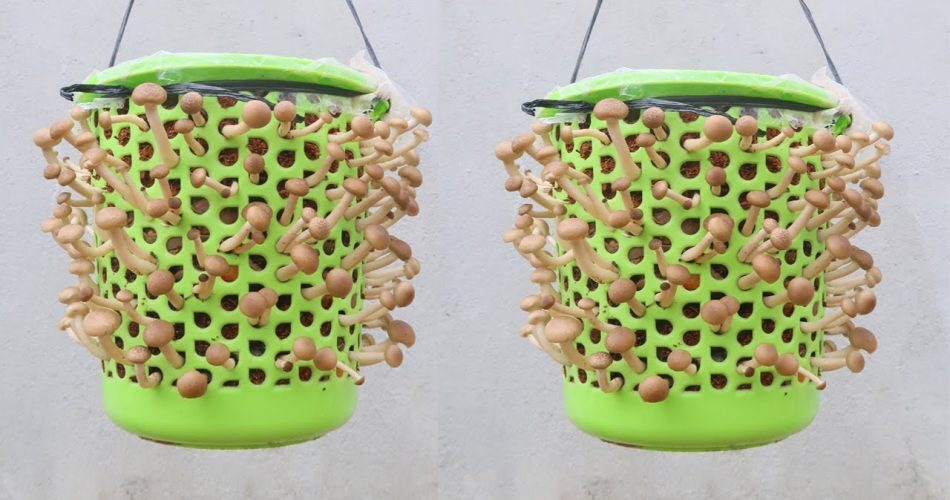
Once your mushrooms have reached their full potential, the harvesting stage is a rewarding part of the cultivation process. Proper harvesting not only ensures you get the best quality mushrooms but also prepares the substrate for future growth. This section will guide you through the techniques for harvesting mature mushrooms, preparing your substrate for subsequent harvests, understanding expected yields, and identifying the perfect time to pick your bounty.
Mushroom Harvesting Techniques
Harvesting your mushrooms at the right time and with the correct method is crucial for maximizing your yield and ensuring the health of your substrate for future flushes. Overripe mushrooms can release spores, which can inhibit further growth, and improper harvesting can damage the mycelial network.
- Twist and Pull Method: Gently grasp the base of the mushroom stem between your thumb and forefinger. Twist it slightly while simultaneously pulling upwards. This method aims to remove the entire mushroom, including the base, minimizing damage to the substrate.
- Cutting Method: For some mushroom varieties, especially those with delicate stems, using a clean, sharp knife or scissors to cut the stem at the base can be preferable. Ensure the blade is sterilized to prevent introducing contaminants.
- Substrate Integrity: Regardless of the method chosen, the goal is to disturb the substrate as little as possible. A healthy mycelial network is key to subsequent flushes.
Preparing the Substrate for Subsequent Flushes
After the initial harvest, the substrate needs a little attention to encourage the mycelium to produce another round of mushrooms. This process, often referred to as rehydrating or “shocking” the substrate, replenishes the moisture and nutrients required for fruiting.
The key to successful subsequent flushes lies in reintroducing moisture and providing the right conditions for the mycelium to recover and initiate new growth. This typically involves a period of rest and rehydration.
- Rehydration: After harvesting, the substrate will likely be depleted of moisture. A common method is to submerge the substrate block in clean, cool water for several hours (typically 4-12 hours, depending on the mushroom species and substrate size). This allows the mycelium to absorb fresh water.
- Drainage: After soaking, ensure all excess water is thoroughly drained from the substrate. This is critical to prevent waterlogging, which can lead to bacterial contamination and rot.
- Return to Fruiting Conditions: Once drained, return the substrate to its fruiting environment, replicating the temperature, humidity, and light conditions that initiated the first flush.
Expected Yield and Frequency of Harvests
The number of flushes you can expect from a single cultivation project and the amount of mushrooms produced in each flush will vary depending on several factors, including the mushroom species, the quality of your initial spawn, the substrate composition, and the care provided during cultivation.
Home mushroom cultivators can generally expect multiple flushes from a well-maintained substrate. The yield from each subsequent flush typically decreases, but it is still possible to achieve significant harvests.
| Flush Number | Expected Yield (Relative) | Frequency Between Flushes |
|---|---|---|
| First Flush | Highest Yield | N/A |
| Second Flush | 50-75% of First Flush | 7-14 days |
| Third Flush | 25-50% of First Flush | 7-14 days |
| Subsequent Flushes | Diminishing Yield | 7-14 days |
For instance, a typical oyster mushroom block might yield 1-2 pounds of mushrooms in the first flush, with subsequent flushes producing anywhere from half a pound to a pound each. The total number of viable flushes can range from 2 to 5 or even more, with the quality and quantity diminishing over time.
Identifying Readiness for Picking
Knowing when your mushrooms are ready to be harvested is a key skill for any cultivator. Harvesting too early can result in smaller mushrooms, while waiting too long can lead to spore release and a less desirable texture.
The visual cues for ripeness are generally consistent across many mushroom species, but observing the veil and cap can provide the most accurate indication.
- Veil Status: For many species, like button mushrooms and cremini, the veil that connects the cap to the stem will start to stretch and tear. When this veil is just beginning to break or has recently broken, the mushroom is typically at its peak.
- Cap Development: The cap of the mushroom will have opened up from a tightly closed bud-like shape to a more mature, flatter or slightly convex shape. For some species, like oyster mushrooms, the edges of the cap will have unfurled and flattened out.
- Avoid Spore Release: If you see a significant amount of dark spores falling from the gills, it’s a sign that the mushroom has passed its optimal harvesting window.
- Firmness: Mature mushrooms should feel firm to the touch. Avoid mushrooms that appear soft, slimy, or bruised.
“Observe the veil’s integrity and the cap’s unfurling; these are the primary indicators of peak ripeness for most cultivated mushrooms.”
Troubleshooting Common Issues in Stem Cultivation
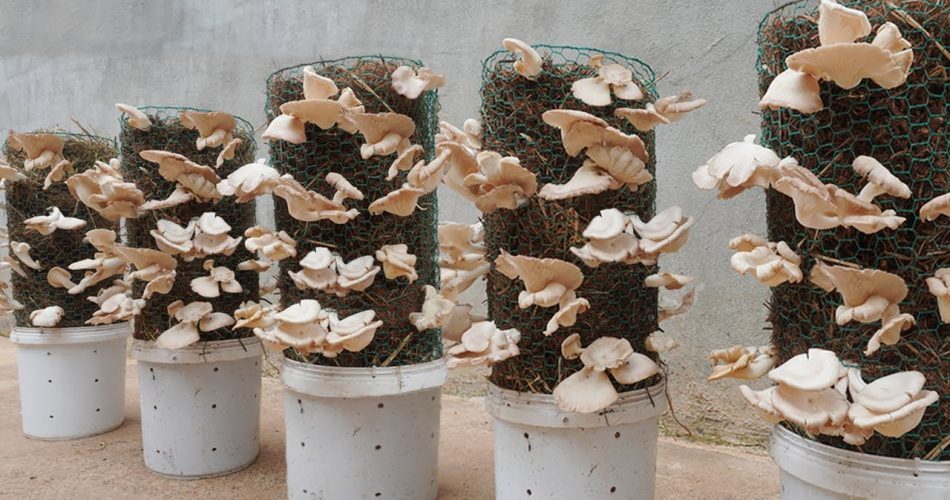
Even with careful preparation and ideal conditions, mushroom cultivation can sometimes present challenges. Understanding these common issues and knowing how to address them is crucial for a successful harvest. This section will guide you through identifying and resolving problems that may arise during the process.When cultivating mushrooms from store-bought stems, several potential problems can hinder growth or compromise the health of your mycelium.
Early detection and prompt action are key to preventing minor issues from becoming major setbacks.
Contamination Identification and Management
Contamination is a frequent concern in mushroom cultivation, often appearing as unwanted molds or bacteria that compete with the mushroom mycelium. Recognizing the signs of contamination is the first step toward effective management.Common signs of contamination include:
- The appearance of green, blue, black, or pink molds on the substrate or mycelium.
- Unpleasant, sour, or rotten odors emanating from the growing environment.
- Slimy or discolored patches on the substrate, indicative of bacterial growth.
- Slow or stalled mycelial growth, especially when compared to previous successful attempts or expected timelines.
Dealing with contamination requires a strategic approach, often involving isolation and, in severe cases, discarding the contaminated material. For minor localized contamination, it might be possible to carefully remove the affected area, ensuring you sterilize your tools before and after. However, if contamination is widespread or aggressively spreading, it is generally best to discard the entire batch to prevent cross-contamination of other projects.Strategies for dealing with different types of contamination include:
- Trichoderma (Green Mold): This is one of the most common and aggressive molds. It often appears as powdery green spots. If caught early and localized, it can sometimes be scooped out with a sterilized tool. However, it’s highly competitive and often overwhelms the mushroom mycelium.
- Bacterial Blotch: This manifests as slimy, discolored patches, often with a foul odor. It thrives in overly wet conditions. Improving air circulation and reducing humidity can help prevent it. There is no effective treatment once established, so prevention is paramount.
- Cobweb Mold: This appears as a thin, wispy, gray mold that can quickly cover the surface. It often indicates high humidity and poor air exchange. Increasing FAE (Fresh Air Exchange) is crucial.
Preventing contamination is far more effective than treating it. This involves meticulous sterilization of all equipment, substrates, and the growing environment. Maintaining proper humidity and temperature levels, along with adequate fresh air exchange, also plays a significant role in creating an environment where beneficial mushroom mycelium can thrive without competition.
Addressing Slow or Stalled Growth
Slow or stalled growth can be disheartening but is often a sign that the environmental conditions are not optimal for the mushroom mycelium. It’s important to diagnose the underlying cause to encourage renewed growth.Factors contributing to slow growth include:
- Suboptimal Temperature: Mushrooms have specific temperature ranges for colonization and fruiting. If the temperature is too low, growth will be sluggish; if too high, it can stress or kill the mycelium.
- Insufficient Moisture: Mycelium requires adequate hydration to grow. A substrate that is too dry will inhibit colonization. Conversely, over-saturation can lead to anaerobic conditions and promote bacterial growth, which can also slow down mycelial development.
- Lack of Fresh Air Exchange (FAE): While mycelium needs CO2 to colonize, a complete lack of fresh air can lead to a buildup of gases that inhibit growth.
- Light Conditions: While not as critical during colonization as temperature and moisture, some mushrooms benefit from indirect light to initiate pinning.
To encourage renewed growth, carefully assess and adjust your environmental parameters. Ensure the substrate is maintaining consistent moisture levels without being waterlogged. Verify that the ambient temperature falls within the recommended range for the specific mushroom species you are cultivating. If colonization seems slow, ensure there is adequate, but not excessive, fresh air exchange.
Pest Prevention and Management
While less common in indoor, controlled environments, pests can still find their way into your mushroom cultivation setup. Common pests include fungus gnats and mites, which can damage mycelium and developing mushrooms.Preventing pests involves maintaining a clean growing area and employing physical barriers.
- Keep your cultivation area clean and free from standing water or organic debris that can attract pests.
- Use fine mesh screens on ventilation openings to prevent insects from entering.
- Consider using sticky traps placed around the growing area to monitor and capture flying insects.
If pests are detected, immediate action is necessary. For fungus gnats, allow the substrate to dry slightly on the surface between waterings, as they lay eggs in moist conditions. Introducing beneficial nematodes can also be an effective biological control. For mites, thorough cleaning of the growing area and removal of infested materials are often required. In severe cases, the entire batch may need to be discarded to prevent spread.
Utilizing Your Homegrown Mushrooms
Congratulations on successfully cultivating your own mushrooms! The reward for your efforts is not just the satisfaction of growing them, but also the unparalleled flavor and freshness they bring to your meals. This section will guide you on how to best enjoy your harvest, from simple preparations to preserving their quality and understanding their nutritional value.
Simple and Delicious Recipes
Freshly harvested mushrooms possess a delicate and distinct flavor that is best showcased in simple preparations. Avoid overwhelming their natural taste with too many competing ingredients.
- Sautéed Mushrooms with Garlic and Herbs: Thinly slice your mushrooms and sauté them in a pan with a tablespoon of olive oil or butter over medium-high heat. Add minced garlic and your favorite fresh herbs (such as thyme, parsley, or chives) during the last minute of cooking. Season with salt and freshly ground black pepper. This makes an excellent side dish or a topping for toast.
- Mushroom Omelets and Scrambled Eggs: Sauté your mushrooms until tender and then fold them into your morning eggs. The earthy notes of the mushrooms complement the richness of the eggs beautifully.
- Mushroom Bruschetta: Toast slices of crusty bread until golden. Top with sautéed mushrooms, a drizzle of balsamic glaze, and a sprinkle of fresh parmesan cheese for an elegant appetizer.
- Creamy Mushroom Pasta: Sauté mushrooms and onions, then add a splash of white wine and let it reduce. Stir in heavy cream or a dairy-free alternative, season, and toss with your favorite cooked pasta.
Storing Harvested Mushrooms
Proper storage is crucial for maintaining the freshness, texture, and flavor of your homegrown mushrooms. They are living organisms and will continue to respire after harvesting, so managing moisture is key.
- Paper Bag Method: This is the preferred method for most mushroom varieties. Place your harvested mushrooms loosely in a paper bag. The paper absorbs excess moisture, preventing sliminess, while still allowing the mushrooms to breathe. Store the bag in the refrigerator.
- Avoid Plastic Bags: Never store fresh mushrooms in plastic bags, as this traps moisture and leads to rapid spoilage and a slimy texture.
- Consume Promptly: For the best quality, aim to consume your homegrown mushrooms within 3-5 days of harvesting.
- Freezing (for cooked mushrooms): If you have a surplus, you can sauté or cook your mushrooms and then freeze them in an airtight container or freezer bag. This method is best for cooked mushrooms as their texture changes significantly upon freezing raw.
Utilizing Underdeveloped Mushroom Stems
Even mushroom stems that may not have fully developed or are not typically consumed in their entirety can still be utilized creatively, adding depth of flavor to your culinary creations.
- Mushroom Broth: Collect all your mushroom stems, regardless of their size or development stage. Simmer them in water with aromatics like onions, carrots, celery, bay leaves, and peppercorns for at least an hour. Strain the liquid to create a rich, flavorful mushroom broth that can be used as a base for soups, stews, or sauces.
- Mushroom Powder: Dehydrate the stems thoroughly in a dehydrator or a low oven. Once completely dry and brittle, grind them into a fine powder using a spice grinder or food processor. This mushroom powder can be used as a potent umami booster in rubs, marinades, or sprinkled directly into dishes.
- Infused Oils: Gently sauté mushroom stems in oil over low heat for an extended period. Strain the oil to remove the stems, leaving you with a mushroom-infused oil perfect for dressings or finishing dishes.
Nutritional Benefits of Homegrown Mushrooms
Consuming homegrown mushrooms offers a range of health advantages, often packed with nutrients that contribute to a balanced diet.
- Source of B Vitamins: Mushrooms are a good source of essential B vitamins, including riboflavin (B2), niacin (B3), and pantothenic acid (B5), which are crucial for energy production, nerve function, and overall metabolism.
- Minerals: They provide important minerals such as selenium, which acts as an antioxidant and supports immune function, and potassium, vital for maintaining healthy blood pressure.
- Antioxidants: Mushrooms contain various antioxidants, including ergothioneine and glutathione, which help protect cells from damage caused by free radicals.
- Dietary Fiber: The fiber content in mushrooms aids in digestion and can contribute to a feeling of fullness, supporting weight management.
- Low in Calories and Fat: They are naturally low in calories and fat, making them an excellent addition to a healthy eating plan.
The nutritional profile of mushrooms can vary slightly depending on the species, but generally, they are a nutrient-dense food that offers significant health benefits.
Final Wrap-Up
Successfully growing mushrooms from store-bought stems offers a delightful connection to your food and a tangible sense of accomplishment. By following these comprehensive steps, you can confidently navigate the entire process, from initial preparation to enjoying multiple harvests of your homegrown bounty. This accessible method not only reduces waste but also provides a sustainable and enjoyable way to incorporate fresh, flavorful mushrooms into your diet, proving that a little effort can yield significant and delicious results.