How to Rehydrate Your Substrate Block After a Harvest is a crucial skill for anyone looking to maximize their yields and extend the life of their substrate blocks. This process is not just about adding water; it’s a nuanced approach that involves understanding the block’s needs, employing effective techniques, and carefully preparing for its next productive phase. By mastering these steps, you can ensure your cultivation efforts continue to be successful and rewarding.
This comprehensive guide delves into the essential aspects of rehydrating your substrate blocks following a successful harvest. We will explore the tell-tale signs that indicate your block is ready for replenishment, the optimal moisture levels to aim for, and the various factors that influence its water retention capabilities. Understanding these fundamentals is the first step toward revitalizing your substrate and setting the stage for future growth.
Understanding Substrate Block Hydration Needs
![Is my old substrate alive ?! [Technique] : r/MushroomGrowers](https://howlagi.web.id/wp-content/uploads/2025/09/EFB.jpg "Is my old substrate alive ?! [Technique] : r/MushroomGrowers")
Proper hydration is paramount for the successful continued cultivation of your substrate blocks following a harvest. A well-hydrated block not only supports the emergence of subsequent flushes but also contributes to healthier mycelial growth and overall yield. Neglecting hydration can lead to premature drying, reduced fruiting potential, and an increased susceptibility to contamination. Ensuring your substrate block maintains an optimal moisture level is a fundamental aspect of effective mushroom cultivation.The moisture content of a substrate block is a dynamic factor, influenced by a variety of environmental and intrinsic elements.
Understanding these influences allows for proactive management and adjustments to maintain ideal conditions.
Signs of a Dehydrated Substrate Block
Recognizing the indicators of dehydration is crucial for timely intervention. These signs can be subtle at first but become more pronounced as the block loses moisture. Prompt identification allows for corrective measures before significant damage occurs.
- Appearance: A dehydrated block will often appear visibly shrunken or smaller than its original size. The surface may look dry, dusty, or even cracked in severe cases.
- Texture: When gently squeezed, a dry block will feel stiff and rigid, lacking the slight give and sponginess of a properly hydrated one. It will not release water.
- Mycelial Growth: While healthy mycelium is typically white and fluffy, dehydrated mycelium might appear thinner, more brittle, or even take on a yellowish hue, indicating stress.
- Fruiting Body Development: If pins or young mushrooms are present, they may stall in growth, appear shriveled, or develop abnormally, with thin stems and small caps.
Optimal Moisture Content Range
The ideal moisture content for substrate blocks varies depending on the specific mushroom species and the type of substrate used. However, a general guideline for most common cultivation substrates, such as those used for oyster mushrooms, shiitake, and lion’s mane, is between 60% and 75% moisture content. This range ensures sufficient water is available for metabolic processes without becoming waterlogged, which can lead to anaerobic conditions and bacterial contamination.
For most edible mushroom species, the target moisture content for a fully colonized substrate block is approximately 60-75%. This can be roughly assessed by squeezing a small sample: a few drops of water should be released, but not a steady stream.
Factors Influencing Water Retention
Several factors contribute to a substrate block’s ability to retain moisture. Understanding these variables allows cultivators to create an environment that supports sustained hydration.
- Substrate Composition: The primary components of the substrate play a significant role. Materials with higher water-holding capacities, such as coco coir and vermiculite, will retain moisture longer than those with lower capacities, like sawdust or straw alone. The ratio of these ingredients is critical.
- Environmental Humidity: The ambient humidity of the growing environment directly impacts the rate of evaporation from the substrate block. Higher humidity levels reduce moisture loss, while low humidity accelerates it.
- Temperature: Warmer temperatures increase the rate of evaporation, leading to faster dehydration. Cooler temperatures slow down this process.
- Airflow: While some fresh air exchange is necessary for fruiting, excessive or rapid airflow can strip moisture from the surface of the substrate block, accelerating dehydration.
- Bag Type and Permeability: The type of bag used for the substrate block and its filtration methods (e.g., filter patches) influence gas exchange and moisture retention. Breathable bags can lead to faster drying if not managed properly.
- Colonization Stage: A fully colonized block with a dense mycelial network is generally more resilient to dehydration than a partially colonized one, as the mycelium helps bind moisture within the substrate.
Methods for Rehydrating Substrate Blocks
Following a successful harvest, your substrate block will likely be depleted of moisture and nutrients, making rehydration a crucial step for subsequent flushes. This process replenishes the essential water content, creating an optimal environment for fungal mycelium to recover and initiate new growth. Several effective methods exist, each with its own advantages and suitability depending on the type of substrate and the grower’s resources.Understanding the different rehydration techniques allows for a tailored approach, ensuring the longevity and productivity of your substrate blocks.
The choice of method can significantly impact the speed of recovery, the risk of contamination, and the overall yield of future harvests.
The Soaking Method
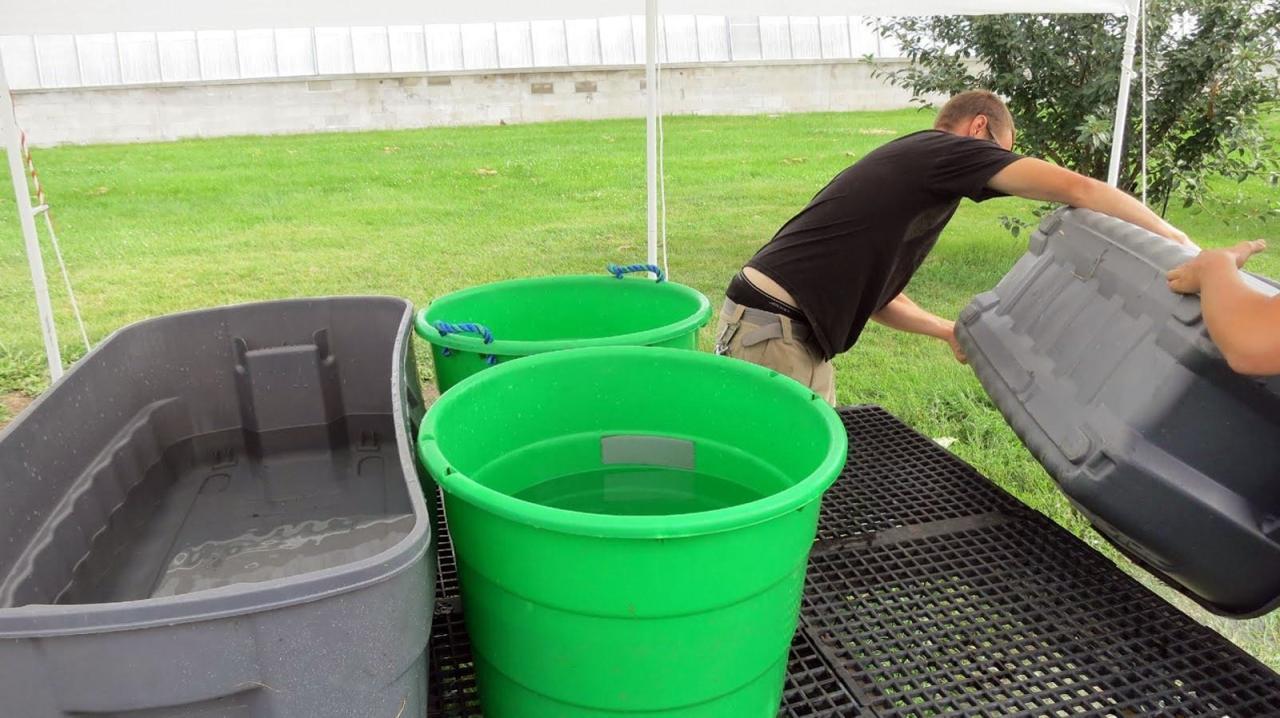
The soaking method is a widely adopted and straightforward technique for rehydrating substrate blocks. It involves fully immersing the block in water, allowing it to absorb moisture through capillary action. This method is particularly effective for denser substrates that may resist surface absorption.Here are the step-by-step instructions for the soaking method:
- Prepare a clean container: Select a food-grade container large enough to fully submerge your substrate block without it being tightly packed. Ensure the container is thoroughly cleaned and sterilized to prevent introducing contaminants.
- Fill with water: Use clean, non-chlorinated water. Distilled, reverse osmosis, or filtered tap water are ideal. If using tap water, letting it sit for 24 hours can help dissipate chlorine. The water temperature should ideally be room temperature or slightly cool, around 60-70°F (15-21°C).
- Submerge the block: Gently place the harvested substrate block into the water. You may need to weigh it down with a clean plate or other non-reactive object to ensure it remains fully submerged. Avoid using materials that could leach chemicals into the water.
- Soaking duration: The ideal soaking time varies based on the substrate type and its dryness. For most common mushroom substrates like sawdust or straw, a soaking period of 12 to 24 hours is generally sufficient. Over-soaking can lead to waterlogging and potential anaerobic conditions, so it’s important to monitor the block.
- Drain thoroughly: After soaking, carefully remove the block from the water and allow it to drain completely. You can place it on a clean rack or in a colander over a basin for several hours until excess water has dripped away. Ensure good air circulation during this draining phase.
- Return to fruiting conditions: Once adequately drained, the block is ready to be returned to its fruiting environment.
The Misting and Steaming Methods
While soaking is a passive absorption method, misting and steaming are more active approaches to rehydration. These methods are often employed when a quicker rehydration is desired or when dealing with substrates that might be more prone to breaking apart if fully submerged for extended periods.
Misting Method
The misting method involves repeatedly spraying the surface of the substrate block with water. This technique relies on the mycelium’s ability to absorb moisture from the surface.
- Pros: It is less invasive than soaking and carries a lower risk of waterlogging the substrate. It can be performed more frequently and allows for controlled moisture levels.
- Cons: This method is significantly slower than soaking and may not be as effective for deeply dried-out blocks. It requires consistent attention and frequent misting.
To effectively mist a substrate block:
- Use a clean spray bottle filled with non-chlorinated water.
- Mist the surface of the block liberally, ensuring it is thoroughly moistened.
- Repeat misting several times a day, or as needed, to maintain a humid surface.
- Observe the block for signs of moisture absorption; the surface should appear damp but not saturated.
Steaming Method
The steaming method involves exposing the substrate block to moist heat. This technique can effectively rehydrate the block while also potentially sterilizing its surface, reducing the risk of contamination.
- Pros: It can be a relatively quick rehydration method and offers a degree of surface sterilization. It is suitable for certain delicate substrates.
- Cons: There is a risk of overheating and cooking the mycelium if not done carefully. It requires specialized equipment or a controlled setup.
A common approach to steaming involves:
- Place the substrate block in a clean container.
- Position the container above a pot of simmering water, ensuring the block does not come into direct contact with the water. A rack or trivet can be used for this purpose.
- Cover the setup to trap the steam.
- Steam for a period of 30 minutes to an hour, monitoring the block for signs of rehydration and ensuring it does not overheat. The block should feel heavier and more pliable.
- Allow the block to cool completely before returning it to fruiting conditions.
Comparison of Rehydration Approaches for Different Substrates
The effectiveness of each rehydration method is influenced by the physical properties of the substrate. Different substrates have varying porosities, densities, and capacities for water retention, which dictate how readily they absorb moisture.For instance, dense hardwood sawdust blocks, often used for oyster mushrooms, tend to absorb water well through soaking due to their fine particle size and ability to retain moisture.
Conversely, substrates with larger components, such as straw or wood chips, might benefit from a combination of soaking and gentle misting to ensure even moisture distribution without becoming waterlogged. Coir-based substrates, known for their excellent water retention, may require less intensive rehydration compared to sawdust or grain-based blocks.The goal is to achieve a moisture content that is optimal for mycelial growth without creating an environment conducive to bacterial or mold contamination.
Over-saturation can lead to anaerobic conditions, while insufficient hydration will hinder new growth.
Substrate Rehydration Method Suitability Table
The following table provides a general guideline for selecting the most appropriate rehydration method based on common substrate types and their estimated timeframes. These are approximate values and may need adjustment based on specific environmental conditions and the degree of dryness of the substrate block.
| Rehydration Method | Suitable Substrates | Estimated Timeframe | Notes |
|---|---|---|---|
| Soaking | Hardwood sawdust, supplemented sawdust, straw, coco coir blends | 12-24 hours (soaking) + several hours (draining) | Effective for dense, absorbent substrates. Ensure thorough draining to prevent waterlogging. |
| Misting | Grain spawn, delicate substrates, blocks requiring frequent moisture top-ups | Multiple times daily over 1-3 days | Good for maintaining surface moisture and gradual rehydration. Less risk of over-saturation. |
| Steaming | Sawdust blocks, straw blocks (when surface sterilization is also desired) | 30 minutes – 1 hour (steaming) + cooling time | Requires careful temperature control to avoid cooking the mycelium. Offers surface sterilization benefits. |
| Combination (Soak & Mist) | Very dry or dense blocks, straw-based substrates | 12-24 hours (soaking) + 1-2 days (misting) + draining | Combines deep moisture absorption with surface humidity management. |
Preparing the Substrate Block for Rehydration
Before you can effectively rehydrate your substrate block, it’s crucial to prepare it properly. This involves safely removing it from its fruiting environment and ensuring it’s clean and free from any unwanted organisms. Taking these preparatory steps will maximize the success of your rehydration efforts and promote healthy future flushes.
Safe Removal from the Growing Environment
Carefully detaching the substrate block from its fruiting chamber or tray is the first step. This process should be gentle to avoid damaging the mycelial network or the block itself. The method of removal may vary slightly depending on the type of fruiting chamber used, but the core principle remains the same: minimize stress on the block.
Cleaning Residual Growth and Contaminants
Once the block is removed, it’s important to clean off any remaining mushroom stems, substrate material, or potential contaminants. This step is vital for preventing the spread of mold or bacteria, which can hinder future growth or compromise the health of the block. A clean surface allows for better moisture absorption and reduces competition for nutrients.Consider the following when cleaning:
- Use a clean, sharp knife or spatula to gently scrape away any attached mushroom butts or loose substrate.
- For stubborn residues, a soft brush can be effective.
- Inspect the block thoroughly for any signs of mold or discoloration. If significant contamination is present, rehydration may not be advisable.
Sterilizing or Sanitizing the Block
Depending on the level of perceived contamination or your general cultivation practices, you may choose to sterilize or sanitize the block before rehydration. This is an optional but often beneficial step to ensure a clean slate for new growth. Sanitization is generally sufficient for most home cultivation scenarios.Methods for sanitization include:
- Cold Water Rinse: A simple rinse with cool, clean water can help remove loose debris and some surface contaminants.
- Diluted Hydrogen Peroxide Soak: A very dilute solution of hydrogen peroxide (e.g., 3% hydrogen peroxide diluted to 1-3% concentration) can be used to briefly soak or mist the block. This helps to kill surface bacteria and spores. Ensure the block is not left to soak for too long, as it can negatively impact mycelium.
- Alcohol Wipe: For surface sanitization, a light wipe with isopropyl alcohol (70%) can be effective. Allow the alcohol to evaporate completely before proceeding.
It is important to note that aggressive sterilization methods can harm the beneficial mycelium. Therefore, gentle sanitization is usually preferred over full sterilization for a previously colonized block.
Assessing the Physical Condition of the Block
Before you begin the rehydration process, take a moment to assess the physical state of your substrate block. This assessment will inform how you proceed with rehydration and help you anticipate potential issues.Key aspects to evaluate include:
- Weight: A dry block will feel significantly lighter than a properly hydrated one. Note any perceived lightness that indicates a need for rehydration.
- Texture: The block should feel firm but not brittle. If it feels excessively dry and crumbly, it is a clear sign that it requires moisture.
- Mycelial Coverage: Observe the extent of healthy white mycelial growth. This indicates the block is still viable.
- Signs of Contamination: Look for any unusual colors (green, black, pink, orange) or textures that are not characteristic of your mushroom species. If contamination is present, rehydration may not be the best course of action, and it might be necessary to discard the block.
- Structural Integrity: Ensure the block is not falling apart. Minor crumbling is acceptable, but significant degradation suggests the block may be past its prime.
Rehydration Techniques: Practical Application
Having understood the fundamental needs and preparation for rehydrating your substrate block, this section delves into the practical application of various rehydration techniques. Successfully revitalizing your substrate block after a harvest hinges on precise execution of these methods to ensure optimal moisture content for subsequent flushes.This detailed guide will walk you through the critical steps, from water temperature to final moisture monitoring, empowering you to achieve consistent and robust yields.
Optimal Water Temperature for Rehydration
The temperature of the water used for rehydration plays a significant role in the efficiency and effectiveness of the process. Using water that is too cold can slow down the rehydration process and potentially shock the mycelium, while water that is too hot can damage the delicate fungal structures. The ideal temperature range promotes rapid and even absorption of moisture without causing harm.The optimal water temperature for rehydrating substrate blocks generally falls between 70°F and 75°F (21°C to 24°C).
This range is considered lukewarm and is similar to ambient room temperature in many growing environments. It facilitates efficient water uptake by the substrate without risking thermal damage to the mycelium.
Duration of Substrate Block Submersion
The amount of time a substrate block spends submerged during the rehydration process is crucial for achieving the correct moisture balance. Insufficient soaking will leave the block too dry, hindering further growth, while over-soaking can lead to waterlogged conditions, which can promote bacterial contamination and inhibit fruiting. The duration is dependent on the type of substrate and the degree of dehydration.A common guideline for the duration of submersion is between 12 to 24 hours.
This allows ample time for the dehydrated substrate to absorb sufficient water. For less dehydrated blocks or those with a higher percentage of water-retaining ingredients, a shorter soak of 8-12 hours might suffice. Conversely, severely dried-out blocks may benefit from the full 24-hour soak.
Proper Drainage of Excess Water
Once the substrate block has absorbed the necessary moisture, it is imperative to remove any excess water. Standing water within the substrate block or on its surface can create anaerobic conditions, which are detrimental to beneficial microorganisms and can foster the growth of contaminants. Effective drainage ensures the substrate has the ideal moisture content without being waterlogged.To properly drain excess water, carefully remove the substrate block from the soaking container.
Allow it to drain freely for at least 30 minutes to an hour. You can gently tilt the block to encourage water to run off. Avoid squeezing or compressing the block, as this can damage the mycelial network. Place the block on a clean, breathable surface, such as a drying rack or a clean towel, to allow residual surface moisture to evaporate.
Monitoring Moisture Levels During Rehydration
Accurate monitoring of moisture levels throughout the rehydration process is key to preventing over- or under-hydration. While submersion time and proper draining are important, observing the substrate’s physical characteristics provides the most reliable indication of its hydration status. This ensures the block is optimally prepared for the next fruiting cycle.The “squeeze test” is a widely adopted method for assessing substrate moisture.
Gently take a handful of the substrate and squeeze it firmly.
- If only a few drops of water come out, the moisture level is generally considered ideal.
- If water streams out freely, the substrate is too wet and requires further draining.
- If the substrate crumbles and no water comes out, it needs more soaking time.
Additionally, observing the weight of the block can be a useful indicator. A rehydrated block should feel noticeably heavier than it did before soaking.
Rehydration Procedure Checklist
To ensure a systematic and successful rehydration process, following a checklist can prevent oversight and guarantee all critical steps are addressed. This checklist serves as a practical guide for executing the rehydration technique effectively.
- Gather Supplies: Ensure you have a clean container large enough to fully submerge the substrate block, clean water at the optimal temperature, and a clean surface for draining.
- Prepare Water: Fill the container with clean water, ensuring it is within the 70°F to 75°F (21°C to 24°C) range.
- Submerge Block: Carefully place the harvested substrate block into the water, ensuring it is fully submerged. If it floats, you may need to weigh it down with a clean object.
- Soaking Period: Allow the block to soak for the appropriate duration, typically 12 to 24 hours, depending on its dryness.
- Drain Excess Water: Remove the block from the water and allow it to drain freely for at least 30 minutes to an hour.
- Perform Squeeze Test: Take a small sample of the substrate and squeeze it to assess moisture content. Adjust draining time if necessary.
- Surface Drying: Place the block on a clean, breathable surface to allow any remaining surface moisture to evaporate.
- Inspect Block: Visually inspect the block for any signs of contamination or damage.
Post-Rehydration Care and Next Steps
Once your substrate block has successfully absorbed the necessary moisture, the focus shifts to nurturing it back into a state conducive to producing another bountiful harvest. This phase is critical for maximizing yields and ensuring the long-term health of your mycelial culture. Careful attention to environmental conditions and observation of the block’s recovery are paramount.Returning a rehydrated substrate block to its fruiting environment requires a delicate touch and an understanding of the conditions that promote renewed growth.
The goal is to mimic the ideal environmental cues that triggered the initial fruiting.
Returning the Block to the Fruiting Environment
After the rehydration process, the substrate block needs to be placed back into the environment where fruiting occurred. This typically involves transferring the block back into its fruiting chamber, terrarium, or grow tent. Ensure that the chosen environment is clean and free from contaminants to prevent any potential setbacks. The physical handling of the block should be gentle to avoid damaging the mycelium, especially if it is still relatively delicate after the soak.
Ideal Conditions for Initiating the Next Flush
The conditions required to stimulate the next flush of mushrooms are often very similar to those that initiated the first. These environmental parameters are key to signaling the mycelium that it is time to produce more fruits.Key environmental factors include:
- Temperature: Maintain the optimal temperature range for your specific mushroom species. Fluctuations outside this range can hinder or halt pinning.
- Humidity: High humidity levels, typically between 85% and 95%, are crucial for initiating pin formation and supporting the growth of developing mushrooms.
- Fresh Air Exchange (FAE): Adequate FAE is necessary to remove CO2 buildup and provide the oxygen mushrooms need to develop. Too little FAE can lead to leggy, underdeveloped fruits, while too much can dry out the block.
- Light: While not a primary driver for all species, indirect or ambient light is generally beneficial for guiding mushroom development and preventing them from growing towards a single light source.
Signs of Successful Rehydration and Potential Issues
Observing the substrate block post-rehydration provides valuable insights into its recovery and readiness for the next flush. Recognizing these signs helps in making timely adjustments to the growing conditions.Successful rehydration is often indicated by:
- Increased Weight: The block will feel noticeably heavier due to the absorbed water.
- Plumpness: The substrate will appear more swollen and less dry or brittle.
- Mycelial Activity: You may observe renewed mycelial growth, often appearing as white, fuzzy patches spreading across the surface.
- Pinning: The appearance of tiny mushroom primordia, or pins, is the most direct indicator that the block is recovering well and ready to fruit.
Potential issues to watch for include:
- Mold Contamination: The presence of green, black, blue, or other colored molds indicates a contamination that may require the block to be discarded.
- Bacterial Blotch: This appears as slimy, wet patches on the substrate or mushrooms, often with a foul odor.
- Lack of Pinning: If no pins appear after a reasonable recovery period, it may suggest suboptimal environmental conditions or a depleted block.
- Dryness: If the block appears to be drying out despite efforts to maintain humidity, it might indicate insufficient rehydration or excessive FAE.
Monitoring Block Recovery and Readiness for Subsequent Harvests
Continuous monitoring is essential to ensure the block is progressing towards its next harvest. This involves regular checks of the substrate’s moisture content, mycelial health, and the development of pins.Methods for monitoring include:
- Visual Inspection: Regularly observe the surface of the substrate for signs of new mycelial growth, pinning, or any signs of contamination.
- Tactile Assessment: Gently touch the substrate. It should feel moist but not waterlogged. A slightly tacky feel is often ideal.
- Weight Checks: While not always practical, periodically weighing the block can give an indication of moisture loss over time.
- Environmental Data: Keep track of temperature, humidity, and FAE levels within the fruiting environment to identify any deviations from optimal conditions.
The readiness for subsequent harvests is determined by the development of mature mushrooms. Once the fruits are harvested, the cycle of monitoring and maintaining optimal conditions can begin again for the next flush.
Visual Guide Description for Assessing Substrate Block Moisture
Assessing the moisture content of a substrate block visually is a fundamental skill for successful mushroom cultivation. This guide provides descriptive cues to help you make an informed judgment.
Ideal Moisture Level:
The surface of the substrate appears uniformly moist, with a slight sheen. It should look plump and well-hydrated, without being visibly waterlogged or pooling water. When gently squeezed (if the block structure allows), it should feel like a damp sponge, releasing only a few droplets of water, if any. The color is typically consistent throughout, with no dry, powdery patches.
Slightly Dry:
The surface may appear a lighter shade of brown or tan. Patches of the substrate might look slightly crumbly or less cohesive. There may be areas that feel less tacky to the touch. While not yet critical, this indicates a need for increased humidity or misting.
Too Dry:
The substrate will look visibly pale and may have a powdery or dusty appearance. It will feel brittle and may crumble easily when touched. Significant areas will lack the characteristic sheen of adequate moisture. This condition severely hinders mushroom development and requires immediate attention to rehydration or humidity.
Waterlogged:
The substrate appears dark and saturated, with visible pooling of water on the surface or at the bottom of the container. It may feel overly slick and heavy. This condition can lead to anaerobic conditions, promoting bacterial growth and hindering mycelial health. Proper drainage and reduced misting are required.
Conclusive Thoughts
Successfully rehydrating your substrate block is a rewarding endeavor that promises continued harvests and sustained cultivation. By diligently following the Artikeld methods, understanding the block’s condition, and providing the right post-rehydration care, you are setting yourself up for a cycle of productivity. This revitalized block is now poised to deliver another flush of growth, continuing your journey in cultivation with renewed potential.