How to Set Up Your First Mushroom Growing Space is your comprehensive guide to embarking on a fascinating journey into the world of mycology. This exploration delves into the fundamental principles of mushroom cultivation, demystifying the process and making it accessible for enthusiasts of all levels.
We will navigate through understanding the essential requirements for healthy mushroom growth, exploring beginner-friendly mushroom varieties, and dispelling common myths that might deter aspiring growers. Furthermore, we will identify the critical environmental factors that are paramount for successful mushroom fruiting, setting the stage for your very own successful cultivation project.
Understanding the Basics of Mushroom Cultivation
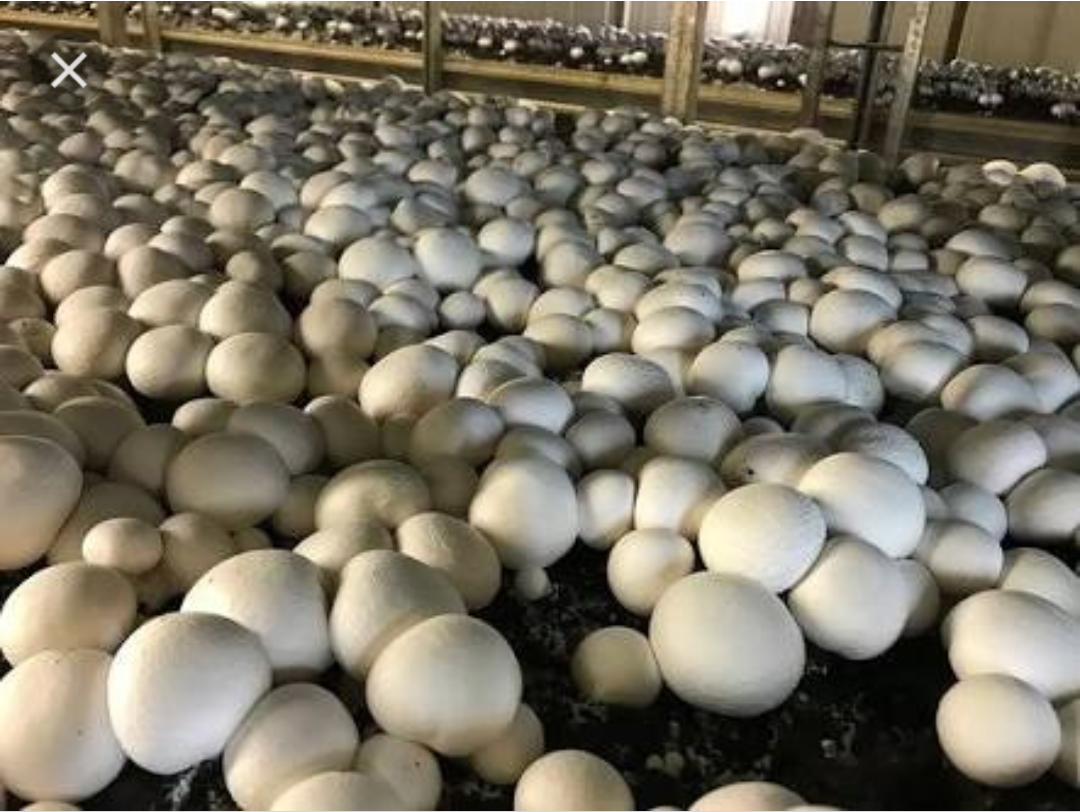
Embarking on the journey of mushroom cultivation is an exciting endeavor that, at its core, relies on understanding and providing the fundamental elements that allow these fascinating fungi to thrive. While it might seem complex, grasping the essential requirements lays the groundwork for successful growth and bountiful harvests. This section will demystify the initial steps, introducing you to the key components and considerations for your first mushroom growing space.Mushroom cultivation is a biological process where fungi are grown in a controlled environment.
Unlike plants, mushrooms do not photosynthesize; instead, they derive nutrients from organic matter. This fundamental difference dictates the materials and conditions necessary for their development, from the initial spawn to the mature fruiting body. Understanding this parasitic or saprophytic nature is crucial for mimicking their natural habitat.
Fundamental Requirements for Mushroom Growth
Successful mushroom cultivation hinges on providing the right sustenance, environment, and genetic material. These core components are interconnected, and their proper management ensures the healthy development of mycelium, the vegetative part of the fungus, and subsequent fruiting bodies.The primary requirements can be categorized as follows:
- Substrate: This is the nutrient-rich material upon which the mushroom mycelium will grow and feed. Common substrates include sawdust, straw, grain, compost, and specialized mushroom growing blocks. The choice of substrate is often dependent on the specific mushroom species being cultivated.
- Spawn: This is essentially the “seed” of the mushroom, consisting of the mycelium grown on a sterile medium, typically grain. It is introduced to the substrate to initiate colonization.
- Environmental Conditions: Mushrooms require specific levels of humidity, temperature, fresh air exchange (FAE), and light, which vary significantly during different stages of their life cycle.
Mushroom Species Suitable for Beginners
When starting out, it is advisable to choose mushroom species that are known for their resilience, rapid colonization, and relatively forgiving environmental needs. These varieties offer a higher chance of success, building confidence and valuable experience for future cultivation projects.Several mushroom species are widely recommended for novice growers:
- Oyster Mushrooms (Pleurotus ostreatus): These are perhaps the most popular choice for beginners due to their aggressive colonization, ability to grow on a wide range of substrates (straw, sawdust, coffee grounds), and relatively broad temperature tolerance. They grow quickly and produce abundant harvests.
- Lion’s Mane (Hericium erinaceus): This visually striking mushroom is also relatively easy to cultivate, typically on hardwood sawdust. It colonizes well and fruits reliably under appropriate conditions, offering a unique culinary and potential medicinal experience.
- Shiitake (Lentinula edodes): While sometimes requiring a bit more patience, Shiitake mushrooms are still accessible for beginners, especially when grown on supplemented sawdust blocks. They are a highly prized mushroom with a distinct flavor.
Common Misconceptions About Starting Mushroom Cultivation
The field of mushroom cultivation is often surrounded by myths and misconceptions that can deter aspiring growers. Dispelling these inaccuracies is vital for approaching the hobby with a realistic understanding and avoiding unnecessary obstacles.Some prevalent misconceptions include:
- “Mushroom cultivation is inherently dangerous or requires specialized sterile labs.” While sterile techniques are important for preventing contamination, especially at the spawn and colonization stages, basic home cultivation can be achieved with good hygiene practices and readily available materials, not necessarily a full-blown laboratory.
- “Mushrooms grow on dirt.” While some mushrooms grow in soil in nature, cultivated mushrooms typically require a more controlled and nutrient-rich substrate, such as sterilized sawdust, straw, or compost, to ensure optimal growth and prevent contamination from competing organisms.
- “It’s impossible to grow mushrooms without expensive equipment.” Many successful home growers utilize simple, cost-effective methods and equipment, such as buckets, plastic tubs, and basic misters, to create suitable growing environments.
- “All mushrooms are difficult to grow.” As highlighted by the beginner-friendly species, certain mushrooms are significantly easier to cultivate than others, making the learning curve much gentler for new enthusiasts.
Essential Environmental Factors for Successful Mushroom Fruiting
Once the substrate is fully colonized by mycelium, the environment must be adjusted to trigger the development of mushrooms, known as fruiting. This stage requires a delicate balance of specific conditions to encourage the formation of primordia (pins) and their subsequent growth into mature mushrooms.The key environmental factors to manage for successful fruiting are:
- Humidity: High humidity levels, typically between 85% and 95%, are crucial for mushroom development. This prevents the developing mushrooms from drying out. Misting the growing area or using a humidifier are common methods to maintain humidity.
- Temperature: Each mushroom species has an optimal fruiting temperature range. For many beginner-friendly species like oyster mushrooms, this often falls between 60-75°F (15-24°C). Consistent temperature control is important.
- Fresh Air Exchange (FAE): Mushrooms respire, consuming oxygen and releasing carbon dioxide. Adequate FAE is necessary to prevent CO2 buildup, which can lead to stunted or deformed growth. This can be achieved by fanning the grow space or ensuring ventilation.
- Light: While mushrooms do not photosynthesize, they do require some light to signal the direction of growth and aid in proper development. Indirect light, similar to what would be found in a shaded forest, is generally sufficient. Direct sunlight should be avoided.
Choosing Your Growing Method
Selecting the right cultivation method is a pivotal step in setting up your first mushroom growing space. Each approach offers a different balance of simplicity, cost, and potential yield, making it crucial to understand their nuances to find the best fit for your beginner journey. We will explore the most common methods, highlighting their setup ease, advantages, and disadvantages.
Ease of Setup for Different Cultivation Methods
The initial setup of a mushroom cultivation project significantly influences a beginner’s success and engagement. Some methods are designed for immediate immersion with minimal technical hurdles, while others require a more involved preparation process.
- Grow Kits: These are the most straightforward, often requiring only the unpacking of pre-prepared materials and providing the correct environmental conditions. Their ease of setup is unparalleled for absolute beginners.
- Monotubs: Monotubs offer a step up in complexity from grow kits, requiring some assembly and substrate preparation. While more involved, they provide greater control and scalability. The setup is manageable with clear instructions and readily available materials.
- PF Tek (Psilocybe Fanaticus Technique): This method, often used for its simplicity in individual jar cultivation, involves sterilizing grain or substrate, inoculating it, and then colonizing it in jars. While conceptually simple, the sterilization and inoculation steps require precision and careful technique to avoid contamination, making it slightly more demanding than a basic grow kit.
Advantages and Disadvantages of Pre-Made Mushroom Grow Kits
Pre-made mushroom grow kits are widely recommended for individuals new to mycology due to their user-friendly nature. They significantly reduce the initial learning curve and the risk of contamination.
Advantages:
- Simplicity: Kits come with all necessary components, often pre-sterilized and inoculated, minimizing the need for specialized equipment or knowledge.
- High Success Rate: Due to the controlled environment and sterile preparation provided by the manufacturer, grow kits generally have a high success rate for first-time growers.
- Convenience: They offer a quick entry into mushroom cultivation, allowing users to experience the growth process without extensive upfront investment in supplies.
- Educational Value: Kits provide a tangible way to learn about mushroom life cycles and environmental needs.
Disadvantages:
- Limited Variety: Kits are typically available for common, fast-growing species, offering less choice for adventurous cultivators.
- Higher Cost Per Yield: Compared to bulk cultivation methods, the cost of a grow kit can be higher for the amount of mushrooms produced.
- Less Control: Growers have minimal control over the substrate composition or the specific genetics of the mushroom strain.
- Waste Generation: Kits often involve significant packaging, contributing to waste.
Creating a Simple Monotub Setup
A monotub is a popular and effective method for home mushroom cultivation that balances ease of setup with the potential for larger yields. It involves a modified plastic storage container designed to maintain optimal humidity and gas exchange.The basic steps for creating a simple monotub setup are as follows:
- Prepare the Container: Select a clear plastic storage tote with a lid. The size can vary, but a 15-30 gallon tote is a good starting point.
- Add Ventilation: Create holes for fresh air exchange (FAE). These are typically made by drilling holes around the upper sides of the tub. A common approach is to drill 6-8 holes, about ¼ inch in diameter, spaced evenly. To prevent contamination, these holes are often covered with micropore tape or polyfill after colonization begins.
- Prepare the Substrate: The substrate is the medium in which the mushrooms will grow. A common and effective substrate for many species is a mixture of coco coir, vermiculite, and gypsum (often referred to as CVG). This mixture is hydrated to field capacity.
- Inoculate the Substrate: Once the substrate is prepared and cooled, it is inoculated with mushroom spawn (grain colonized by mycelium). This is typically done by layering the spawn and substrate in the monotub.
- Colonization: Place the lid on the tub and allow the mycelium to colonize the substrate. This usually takes 1-3 weeks, depending on the species and environmental conditions. During this phase, minimal intervention is needed, but ensuring the tub is in a dark, temperature-stable location is important.
- Fruiting: Once the substrate is fully colonized, introduce fruiting conditions. This involves increasing fresh air exchange and introducing light. The holes in the tub will now be uncovered or less restricted to allow for gas exchange.
Basic Procedure for Sterilizing Substrates for Home Mushroom Growing
Sterilization is a critical step in mushroom cultivation, particularly for methods beyond simple grow kits. It eliminates competing microorganisms that can spoil your substrate and kill your mycelium. While true sterilization (killing all life forms) is challenging at home, effective pasteurization or pressure cooking can achieve the desired outcome for most home growers.Here is a basic procedure for sterilizing substrates using a pressure cooker, which is highly recommended for its effectiveness:
- Prepare Your Substrate Mixture: This could be grain spawn, a bulk substrate like coco coir and vermiculite, or a combination. Ensure the moisture content is correct for your chosen substrate.
- Package for Sterilization: Place the prepared substrate into appropriate containers. For grain spawn, this typically involves sterilized jars with modified lids that allow for inoculation and gas exchange. For bulk substrates, heat-resistant bags or jars can be used.
- Load the Pressure Cooker: Place a rack in the bottom of your pressure cooker. Add the recommended amount of water to the cooker (refer to your pressure cooker’s manual). Arrange the jars or bags on the rack, ensuring they are not tightly packed and that there is space for steam circulation.
- Pressure Cook: Secure the lid of the pressure cooker and bring it up to the required pressure. For most mushroom cultivation purposes, sterilizing at 15 PSI for 90 minutes (for quart-sized jars) is a common standard. Larger volumes or denser substrates may require longer times.
- Cool Down: After the sterilization time is complete, allow the pressure cooker to cool down naturally. Do not force cool it, as this can cause jars to crack or create a vacuum that pulls contaminants into the containers. This cooling process can take several hours.
- Check for Sterility: Once cooled, carefully remove the jars or bags. Visually inspect them for any signs of contamination (unusual colors, odors, or textures). If contamination is present, discard the affected substrate safely.
The principle of sterilization is to create an environment where your desired mushroom mycelium can thrive without competition from bacteria and mold.
Essential Equipment and Supplies
Setting up a dedicated space for mushroom cultivation, even on a small scale, requires careful consideration of the equipment and supplies needed to ensure a healthy and productive growing environment. This section will guide you through the crucial items that form the foundation of your mushroom growing operation, emphasizing sterility and optimal conditions for mycelial growth and fruiting.A sterile workspace is paramount to prevent contamination by unwanted molds and bacteria, which can outcompete your mushroom cultures.
This involves more than just cleanliness; it requires a deliberate setup designed to minimize airborne particles and maintain a controlled environment.
Sterile Workspace Setup
Establishing a sterile workspace is the most critical step in preventing contamination. This controlled environment minimizes the introduction of foreign microorganisms that can jeopardize your mushroom cultivation efforts. The setup aims to create a clean zone where your mushroom cultures can thrive unimpeded.The core components of a sterile workspace include:
- Location Selection: Choose a room or area with minimal foot traffic and airflow. A small bathroom, closet, or a corner of a spare room can be adapted.
- Surface Preparation: Thoroughly clean and disinfect all surfaces, including walls, floors, and countertops, with a suitable disinfectant like isopropyl alcohol (70% or higher) or a bleach solution (1:10 ratio of bleach to water).
- Air Filtration: For more advanced setups, consider using a HEPA filter to reduce airborne contaminants. Even a simple air purifier can be beneficial.
- Containment: A still air box (SAB) or a laminar flow hood provides a contained, sterile environment for critical inoculation and transfer steps. A SAB is a DIY option made from a clear plastic tub with armholes, while a flow hood is a more professional piece of equipment that uses a fan and HEPA filter to push filtered air across the workspace.
- Lighting: While not strictly necessary for sterile conditions, indirect or ambient light is generally sufficient for the incubation and fruiting stages. Avoid direct sunlight.
- Temperature and Humidity Control: Mushrooms have specific temperature and humidity requirements. Consider using a small space heater or humidifier if your chosen location’s climate is not conducive.
Crucial Tools and Materials
To successfully cultivate mushrooms, a specific set of tools and materials are indispensable. These items facilitate everything from preparing your substrate to harvesting your mushrooms, ensuring each stage of the process is managed effectively and hygienically.The following list Artikels the essential equipment and supplies for a beginner mushroom grower:
- Substrate: This is the food source for the mushroom mycelium. Common substrates include grain (rye, millet, oats), sawdust, straw, coco coir, and vermiculite. The choice depends on the mushroom species being cultivated.
- Spawn: This is the material that has been colonized by mushroom mycelium, typically grains or sawdust. It’s used to inoculate the substrate.
- Containers: Various containers are used for different stages. This can include jars (like Mason jars) for grain spawn, grow bags for bulk substrate colonization, and plastic tubs or trays for fruiting.
- Sterilization Equipment: A pressure cooker or a large pot with a tight-fitting lid is necessary for sterilizing substrates and grain spawn to eliminate competing microorganisms.
- Inoculation Tools: These are used to introduce the mushroom spawn to the substrate. This includes sterile syringes, scalpels, and inoculation loops.
- Gloves and Masks: Disposable nitrile gloves and face masks are essential for maintaining sterility during handling and inoculation.
- Isopropyl Alcohol (70%): A vital disinfectant for surfaces, tools, and hands to prevent contamination.
- Lighter or Alcohol Lamp: Used to sterilize inoculation tools like scalpels and needles during use.
- Measuring Tools: Scales for accurately measuring ingredients and thermometers for monitoring temperature.
- Mister/Sprayer: A fine-mist sprayer is needed to maintain optimal humidity levels during the fruiting stage.
- Thermometer and Hygrometer: To monitor and control temperature and humidity within the growing environment.
Purpose of Each Piece of Equipment
Understanding the function of each piece of equipment is key to successful mushroom cultivation. Each item plays a specific role in creating the optimal conditions for mycelial growth and the subsequent development of mushrooms, while also safeguarding against contamination.Here’s a breakdown of the purpose of key equipment:
- Pressure Cooker: This is essential for sterilizing substrates and grain spawn. High pressure and temperature effectively kill all competing bacteria and molds, providing a clean slate for the mushroom mycelium to colonize.
- Grow Bags/Jars: These are used to hold the substrate and spawn. They are designed to allow for gas exchange while preventing the ingress of contaminants. Jars are often used for grain spawn, while grow bags are common for bulk substrates.
- Still Air Box (SAB) or Laminar Flow Hood: These provide a sterile environment for critical tasks like transferring spawn to substrate or agar work. They minimize the amount of airborne contaminants that can reach your cultures.
- Scalpel/Syringe: Used for sterile transfer of mycelium. A scalpel can be used to cut small pieces of colonized agar or tissue, while a syringe is used to inject liquid culture or spore solution.
- Gloves and Mask: These act as a physical barrier to prevent the transfer of microorganisms from your skin and breath to the sterile environment and cultures.
- Isopropyl Alcohol: This acts as a surface disinfectant, killing a broad spectrum of microorganisms on contact. It’s crucial for maintaining sterility during all stages.
- Mister/Sprayer: Used to increase humidity within the fruiting chamber. Mushrooms require high humidity to develop properly, and a fine mist ensures droplets don’t damage the delicate hyphae.
- Thermometer/Hygrometer: These tools are vital for monitoring the environmental conditions. Different mushroom species have specific temperature and humidity preferences, and deviations can inhibit growth or lead to contamination.
Shopping List for Small-Scale Mushroom Operation
For those embarking on a small-scale mushroom cultivation journey, this shopping list will help you acquire the necessary supplies to get started. It focuses on essential items that provide a good balance of cost-effectiveness and functionality for beginners.
This list is designed for a small-scale operation, typically focusing on one or two species and a few pounds of substrate at a time.
- Mushroom Grow Kit (Optional, for absolute beginners): Provides a pre-colonized substrate and a fruiting bag. A good way to learn the basics of fruiting.
- Grain Spawn (1-2 lbs): Choose a grain like rye or millet. This will be your “seed” for inoculating bulk substrate.
- Bulk Substrate Ingredients:
- Coco Coir (1-2 bricks)
- Vermiculite (1-2 bags)
- Gypsum (small bag, optional but recommended for some species)
- Sterile Filter Patch Grow Bags (5-10 bags): For mixing and colonizing your bulk substrate.
- Clear Plastic Tubs (1-2, 10-20 gallon): For creating a simple fruiting chamber (monotub).
- Drill and Hole Saw (if making a monotub): For creating air exchange holes in the plastic tub.
- Gloves (box of nitrile): For sterile handling.
- Face Masks (box): For sterile handling.
- Isopropyl Alcohol (70% spray bottle): For surface disinfection.
- Fine Mist Sprayer: For maintaining humidity.
- Thermometer/Hygrometer Combo: For monitoring environmental conditions.
- Scalpel or Box Cutter: For any necessary cutting or scraping.
- Lighter or Alcohol Lamp: For sterilizing tools.
- Large Pot or Pressure Cooker: For pasteurizing or sterilizing substrates (if not using pre-pasteurized ingredients).
- Measuring Cups and Spoons: For accurate ingredient measurement.
“Sterility is not a suggestion; it is a fundamental requirement for successful mushroom cultivation.”
Substrate Preparation and Inoculation
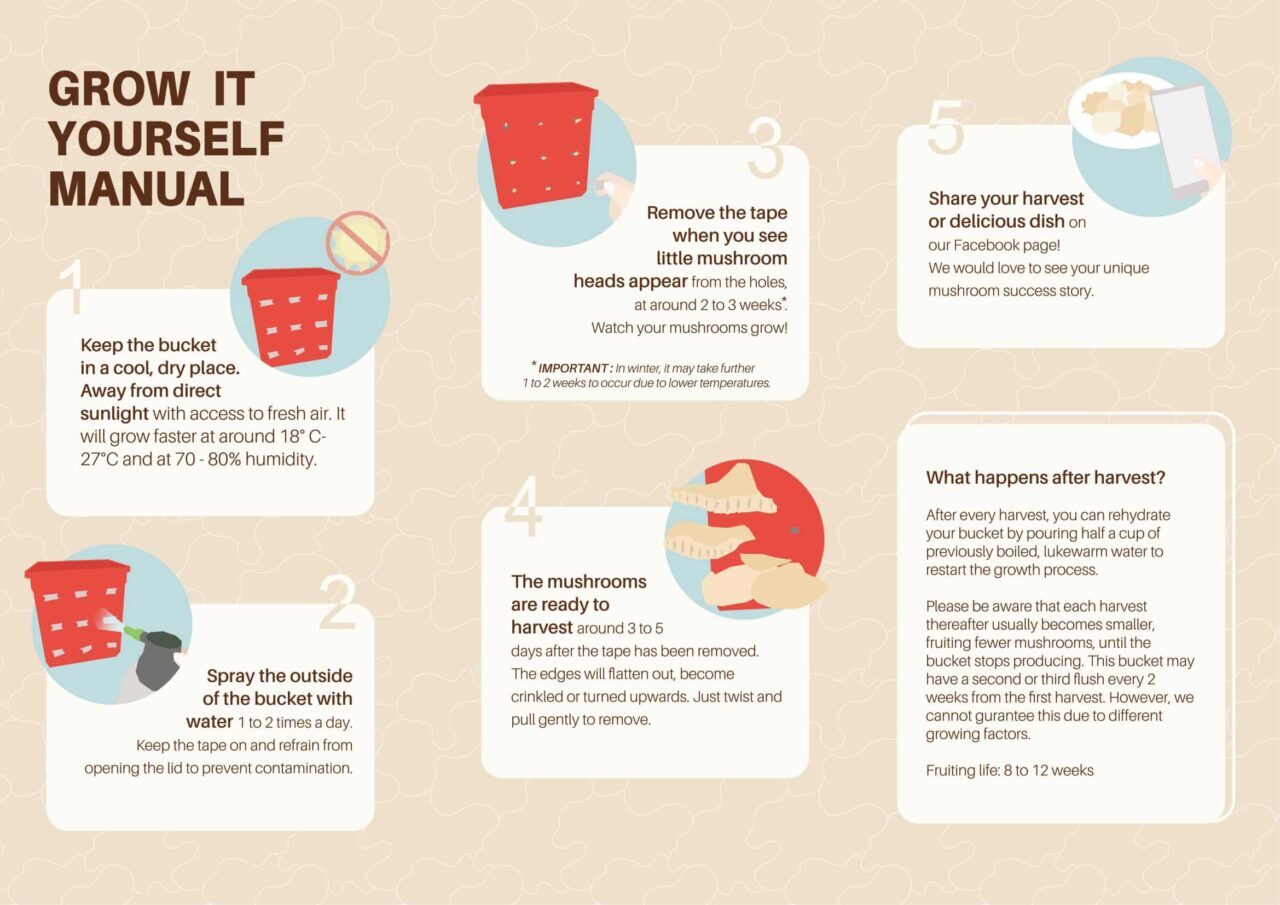
The substrate is the foundation upon which your mushrooms will grow, providing them with the necessary nutrients and moisture. Preparing it correctly and inoculating it safely are critical steps to ensure a successful harvest. This section will guide you through the process of preparing a common substrate and introducing your mushroom culture.Proper substrate preparation is essential for several reasons. It needs to be sterilized or pasteurized to eliminate competing microorganisms that can spoil your grow.
It also needs to have the right moisture content and be receptive to colonization by the mushroom mycelium. Inoculation is the act of introducing the mushroom spores or mycelium to this prepared substrate.
Common Substrate Preparation: Grain Spawn
Grain spawn is a popular and versatile substrate for many mushroom species, serving as an excellent “mother culture” to inoculate larger batches of bulk substrate. The process involves hydrating and sterilizing grains like rye, wheat, or millet.The steps for preparing grain spawn are as follows:
- Cleaning and Rinsing: Thoroughly rinse your chosen grains under cold running water until the water runs clear. This removes dust and debris.
- Soaking: Soak the grains in water for 12-24 hours. This rehydrates the grains, making them more accessible to the mycelium and helping to break down some of the complex starches.
- Boiling (Optional but Recommended): After soaking, drain the grains and boil them for 10-15 minutes. This further softens the grains and can help to pop any grains that are still too hard.
- Draining and Drying: Drain the grains very thoroughly. Spread them out on a clean surface, like a towel or a baking sheet, and allow them to air dry for an hour or two. The goal is for the grains to be moist but not wet; individual grains should not stick together when squeezed.
- Bagging: Pack the prepared grains loosely into specialized mushroom grow bags or clean jars. These containers should have a filter patch or a modified lid to allow for gas exchange while maintaining sterility. Fill the bags/jars about two-thirds to three-quarters full.
- Sterilization: Sterilize the filled bags or jars using a pressure cooker. This is the most crucial step for eliminating contaminants. For most grains, sterilize at 15 PSI for 90 minutes. Allow the pressure cooker to cool down completely before opening.
Safe Inoculation Techniques
Inoculation is the point where you introduce your mushroom culture to the sterilized substrate. Maintaining a sterile environment during this process is paramount to prevent contamination by bacteria, molds, or other fungi.The following are best practices for maintaining sterility during inoculation:
- Work in a Still Air Box (SAB) or Laminar Flow Hood: These enclosures create a sterile working environment by minimizing air currents that can carry contaminants. A SAB can be easily made from a clear plastic storage tote with armholes.
- Sterilize Your Tools: Before you begin, thoroughly clean and sterilize all tools that will come into contact with the substrate or culture. This includes scalpels, syringes, and the outside of spore syringes or liquid culture vials. Use isopropyl alcohol (70%) and a flame sterilizer or autoclave for best results.
- Sanitize Your Hands and Arms: Wash your hands and forearms thoroughly with soap and water, then sanitize them with 70% isopropyl alcohol. Wear sterile gloves if possible.
- Minimize Air Movement: Avoid drafts, fans, or open windows in your inoculation area.
- Flame Sterilize Between Each Use: If using a scalpel or needle, flame sterilize it until red hot and allow it to cool slightly before each inoculation.
- Work Quickly and Efficiently: The less time your substrate is exposed to the open air, the lower the risk of contamination.
Inoculation Methods and Species Considerations
The method of inoculation can vary depending on the type of mushroom culture you are using and the species you are growing. Each method has its advantages and is suited for different situations.Here’s a comparison of common inoculation techniques:
| Technique | Description | Best For | Considerations |
|---|---|---|---|
| Spore Syringe Inoculation | Injecting a sterile spore solution into the substrate. Spores are microscopic reproductive units. | Starting from scratch with a new species, or for bulk substrate inoculation. | Germination can be slow and unpredictable. High risk of contamination if spores are not handled in a sterile environment. |
| Liquid Culture Inoculation | Injecting a sterile liquid medium containing actively growing mycelium into the substrate. | Faster colonization than spores, good for grain spawn and bulk substrate. | Requires careful preparation of the liquid culture. Mycelium is more susceptible to bacterial contamination. |
| Agar Transfer | Transferring a small piece of colonized agar (a nutrient gel medium) containing mycelium onto the substrate. | Cleanest method for starting grain spawn or transferring to bulk substrate, as agar is typically grown in sterile conditions. | Requires sterile agar plates and good sterile technique for cutting and transferring. |
| Grain-to-Grain Transfer | Breaking up colonized grain spawn and mixing it with sterile, uncolonized grain spawn. | Scaling up grows from existing grain spawn to new batches. | The most common and efficient method for expanding grain spawn. Requires excellent sterile technique to avoid transferring contaminants from the old spawn to the new. |
For species like Oyster mushrooms (Pleurotus ostreatus), which are vigorous colonizers, liquid culture or grain-to-grain transfers are often preferred for their speed and reliability. For slower-growing or more finicky species, agar transfers can offer a cleaner start. It is always recommended to research the specific needs of the mushroom species you intend to cultivate.
Creating the Ideal Growing Environment
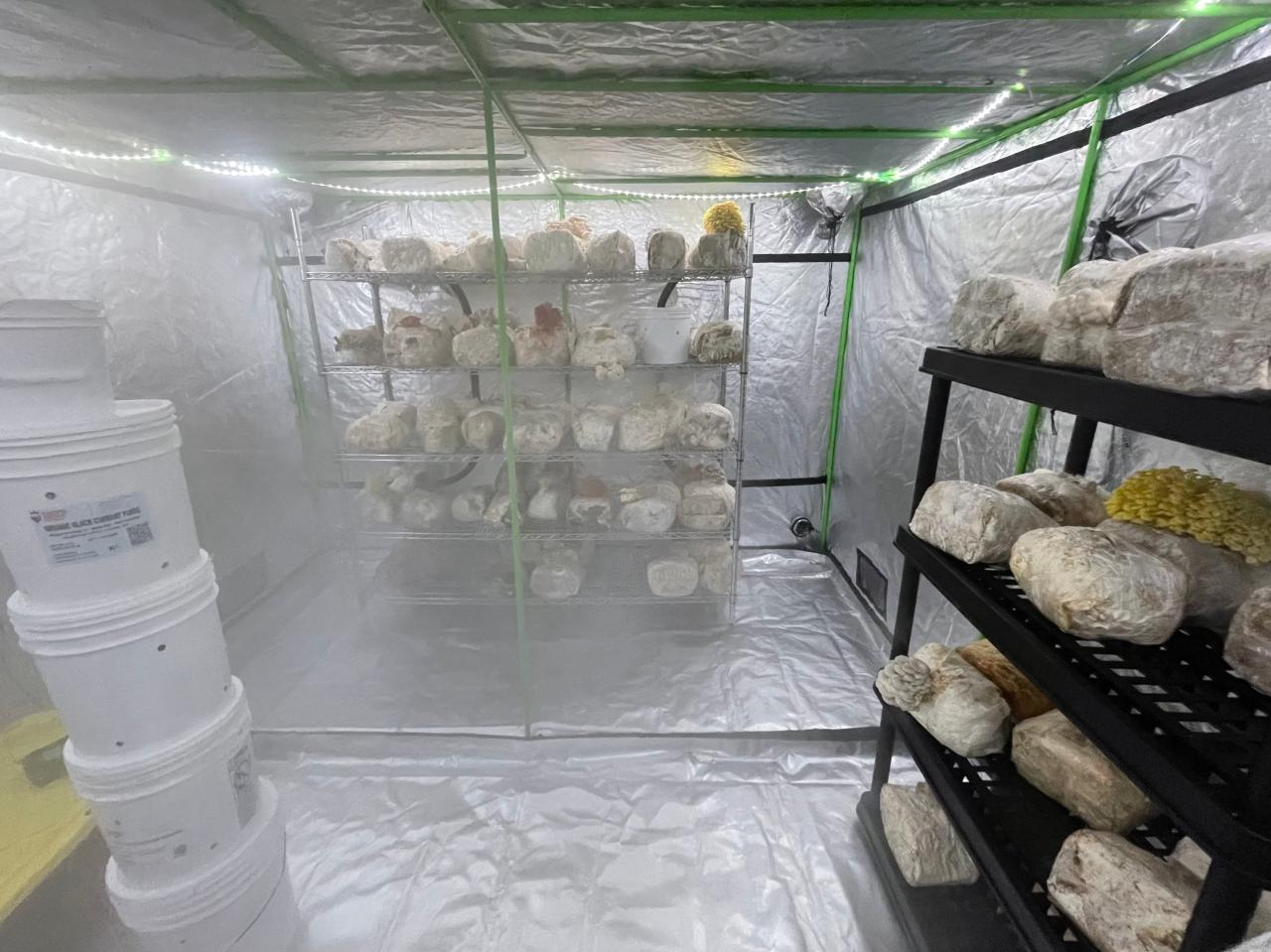
Once your substrate is prepared and inoculated, the next crucial step is to establish an environment that mimics the natural conditions mushrooms need to thrive and fruit. This involves careful control of humidity, temperature, air exchange, and light. A well-managed environment significantly increases your chances of a successful harvest.
Humidity Control
Maintaining the correct humidity is paramount for mushroom development, as many species require consistently high moisture levels to initiate pinning and develop healthy fruits. Too little humidity can cause mushrooms to dry out, while excessive humidity can encourage the growth of mold and bacteria.To control humidity, a few methods are commonly employed:
- Misting: Regular manual misting with a fine-spray mister is a common practice, especially for smaller setups. This should be done several times a day, directly onto the growing medium or the inside walls of the grow chamber.
- Humidifiers: For larger or more consistent humidity needs, an ultrasonic humidifier can be used. These devices produce a fine mist that can maintain a stable humidity level. It’s important to connect these to a hygrometer and potentially a humidistat to automate the process and prevent over-humidification.
- Perlite or Vermiculite Beds: In some terrarium-style setups, a layer of moist perlite or vermiculite at the bottom of the container can passively release moisture, helping to maintain ambient humidity.
- Hygrometer: A hygrometer is an essential tool for monitoring humidity levels. It should be placed within the grow space to provide accurate readings.
Temperature Maintenance
Temperature plays a vital role in both the mycelial growth and fruiting stages of mushrooms. Different species have specific temperature preferences, and deviations can lead to slow growth, poor yields, or even the death of the mycelium.Optimal temperature ranges for mushroom fruiting vary by species, but a general guideline can be established:
- Incubation (Colonization): During this phase, when the mycelium is spreading through the substrate, slightly warmer temperatures are often preferred, typically between 70-75°F (21-24°C).
- Fruiting: Once ready to fruit, many common gourmet and medicinal mushrooms prefer cooler temperatures, often in the range of 60-70°F (15-21°C). Some species, like oyster mushrooms, can tolerate a wider range, while others, like shiitake, may require specific temperature drops to initiate fruiting.
Temperature can be managed through:
- Location: Choosing a stable location in your home that naturally stays within the desired temperature range is the simplest approach. Basements or cooler rooms are often ideal.
- Heating Mats/Cables: For colder environments, under-tank heating mats or cables can be used to gently warm the substrate. These should be thermostatically controlled to prevent overheating.
- Fans: In warmer environments, fans can help to circulate air and slightly cool the growing space, though active cooling systems like air conditioners may be necessary in extreme heat.
- Thermometer: A reliable thermometer is crucial for monitoring temperature fluctuations.
Fresh Air Exchange (FAE)
Mushrooms are aerobic organisms, meaning they require a constant supply of fresh oxygen and need to expel carbon dioxide (CO2) produced during respiration. Insufficient fresh air exchange leads to CO2 buildup, which can stunt growth, cause deformities, and prevent fruiting altogether.Achieving adequate FAE involves:
- Manual Venting: For enclosed grow chambers or bags, opening them up for a few minutes several times a day to allow fresh air to enter and CO2 to escape is a basic method.
- Passive Ventilation: Creating small holes or using filtered vents in grow tents or tubs allows for a slow, continuous exchange of air. The size and number of these openings will influence the rate of exchange.
- Active Ventilation: Small computer fans or exhaust fans can be used to actively circulate air and remove CO2. These can be set on timers to run intermittently or continuously, depending on the needs of the species and the size of the grow space.
- Monitoring CO2 Levels: For more advanced setups, a CO2 monitor can be used to ensure levels remain within the optimal range (typically below 1000 ppm for fruiting).
A good rule of thumb for FAE is to aim for a complete air exchange in the grow chamber every 30-60 minutes.
Lighting Requirements
While mushrooms do not photosynthesize like plants, light plays a role in signaling the mycelium to begin fruiting and influences the direction of growth and morphology of the mushrooms. The intensity and duration of light required vary significantly between species.Here is a general guide to lighting for different mushroom species:
- No Light Required (Primarily for Colonization): Many species, particularly during the colonization phase, do not require light. Mycelium will grow in complete darkness.
- Low Light: Some species, like certain strains of oyster mushrooms (e.g.,
-Pleurotus ostreatus*), benefit from low ambient light to initiate pinning and guide growth. A north-facing window or a dim LED light is usually sufficient. - Indirect Light: Most common gourmet and medicinal mushrooms, such as shiitake (*Lentinula edodes*) and lion’s mane (*Hericium erinaceus*), require indirect light for fruiting. This can be provided by natural daylight in a room, but not direct sunlight, or by low-wattage fluorescent or LED grow lights.
- Light Cycle: A consistent light cycle is important for many species. A common recommendation is 12 hours of light and 12 hours of darkness, or simply ensuring there is a period of light each day.
It is important to research the specific lighting needs of the mushroom species you are cultivating. Overly intense light can damage delicate mushroom tissues, while insufficient light may lead to leggy, underdeveloped mushrooms.
Monitoring and Troubleshooting
Successfully cultivating mushrooms involves diligent observation and a proactive approach to addressing potential issues. This section will guide you through identifying common problems, understanding their causes, and implementing effective solutions to ensure a healthy and productive mushroom harvest. Keeping a close eye on your growing environment and the development of your mycelium is paramount to success.
Common Issues in Mushroom Cultivation
Several challenges can arise during the mushroom growing process. Recognizing these early can prevent significant setbacks and improve your overall yield. Understanding the signs of distress in your mycelium and substrate is a critical skill for any cultivator.
- Contamination: This is perhaps the most frequent challenge, appearing as unwanted molds (green, black, pink) or bacteria. Contamination can outcompete your desired mushroom mycelium, leading to poor growth or complete crop failure.
- Slow or Stalled Mycelial Growth: If your mycelium is not colonizing the substrate as expected, it could be due to unfavorable temperature, humidity, or nutrient imbalances.
- Lack of Fruiting: Even with healthy colonization, mushrooms may not initiate pinning. This can be caused by insufficient fresh air exchange, incorrect light exposure, or inadequate humidity.
- Abnormal Fruiting Bodies: Deformed mushrooms, small or underdeveloped caps, or unusual coloration can indicate environmental stress, nutrient deficiencies, or genetic issues.
- Pests: Fungus gnats and mites can infest mushroom cultures, damaging the mycelium and fruiting bodies.
Troubleshooting Contamination Problems
Contamination is a significant threat to mushroom cultivation. When it appears, swift and decisive action is crucial. The best approach is prevention through strict sterile techniques, but if contamination occurs, the following strategies can help mitigate the damage.
The primary goal when dealing with contamination is to prevent its spread to other cultures and to salvage any unaffected portions of your substrate. Sterility is key in all decontamination efforts.
- Isolation: Immediately move any contaminated bags, jars, or trays away from your healthy cultures and into a designated quarantine area. This prevents airborne spores from spreading.
- Discarding Heavily Contaminated Substrates: For substrates that are heavily colonized by mold, especially aggressive molds like Trichoderma (green mold), it is often best to discard them entirely. This can involve burying them outdoors in a compost pile or safely disposing of them in a sealed bag.
- Salvaging Partially Colonized Substrates: If contamination is localized and the mycelium is still healthy in other areas, you might attempt to cut away the contaminated sections. This should be done with extreme caution using sterile tools (e.g., a flame-sterilized scalpel or knife) and ideally within a still air box or laminar flow hood. The remaining healthy material can then be transferred to a fresh, sterilized substrate if attempting to restart the culture, or placed directly into fruiting conditions if the contamination is minor and the colonization is advanced.
- Increasing Fresh Air Exchange (FAE): Sometimes, a slight contamination can be overcome by increasing the airflow. This helps to remove CO2 buildup, which can favor certain molds, and introduces oxygen that the mushroom mycelium thrives on.
- Reviewing Sterilization Procedures: After an outbreak, it is essential to re-evaluate your sterilization methods. Ensure your pressure cooker reached the correct temperature and pressure for the appropriate duration, and that all tools and surfaces were adequately sterilized.
Recognizing Signs of Healthy Mycelial Growth
Healthy mycelium is the foundation of a successful mushroom harvest. Observing its appearance, texture, and rate of colonization provides crucial insights into the well-being of your culture. Understanding these indicators allows for early detection of issues before they become severe.
Healthy mycelium typically exhibits distinct visual characteristics. These signs indicate that the organism is actively growing and healthy.
- Color: For most species, healthy mycelium is white or off-white. Some species, like certain strains of oyster mushrooms, may have a slight yellowish or grayish tint, which is normal. Any vibrant green, black, pink, or blueish hues are strong indicators of contamination.
- Texture: Mycelium often appears fuzzy or cottony when it is actively colonizing a substrate. As it matures, it can become denser and more rhizomorphic, forming thread-like structures.
- Rate of Colonization: A healthy mycelial network will systematically spread throughout the substrate. The speed of colonization can vary by species and environmental conditions, but a consistent and steady progress is a good sign.
- Odor: Fresh, healthy mycelium typically has a mild, earthy, or mushroom-like aroma. A sour, rotten, or pungent smell is a clear indication of bacterial contamination.
- Lack of Pooling Water: While humidity is crucial, excessive pooling of water on the surface of the substrate can lead to bacterial growth and inhibit mycelial spread.
Monitoring Moisture Levels in the Growing Medium
Maintaining the correct moisture content within your substrate is critical for both mycelial colonization and mushroom development. Too little moisture can lead to drying and stunted growth, while too much can promote bacterial contamination and anaerobic conditions. Regular monitoring and adjustment are essential.
Several methods can be employed to effectively monitor and manage moisture levels. The goal is to achieve a field capacity in the substrate, meaning it holds as much water as it can without dripping when squeezed.
| Method | Description | Best For |
|---|---|---|
| Visual Inspection | Observe the substrate for signs of dryness or excessive moisture. A dry substrate may appear lighter in color and feel crumbly, while an overly wet substrate might show pooling water or a slick appearance. | Quick checks, initial assessment of substrate. |
| Feel Test (Field Capacity) | Take a small handful of the substrate and squeeze it firmly. If a few drops of water can be squeezed out, but it holds its shape when released, it is likely at optimal moisture content. If it crumbles apart, it’s too dry. If water streams out, it’s too wet. | Crucial for initial substrate preparation (e.g., grain spawn, bulk substrate). |
| Weight Monitoring | For more precise control, you can weigh your substrate before and after hydration. As the substrate loses moisture during incubation or fruiting, you can rehydrate it to its original weight. | Longer-term incubation, large-scale operations, or when precise control is needed. |
| Humidity Monitoring | Use a hygrometer to measure the relative humidity within your growing space. While this doesn’t directly measure substrate moisture, it indicates the ambient conditions that influence evaporation from the substrate and fruiting bodies. Aim for the humidity levels recommended for your specific mushroom species. | Overall environmental control, especially during fruiting. |
Harvesting and Post-Harvest Care
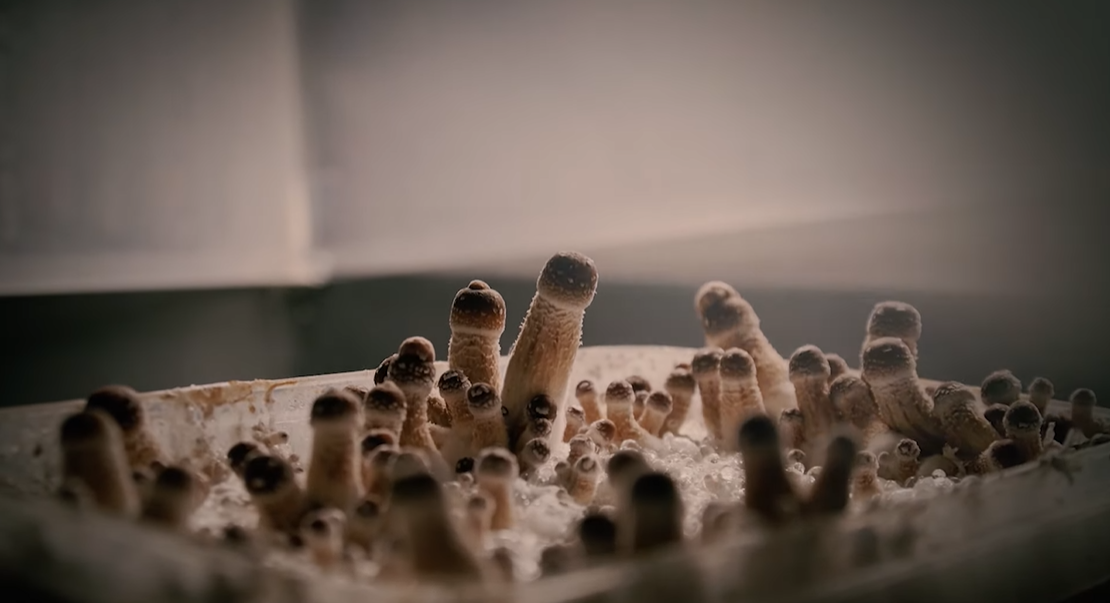
Successfully growing mushrooms culminates in the rewarding process of harvesting. Knowing when and how to harvest ensures you obtain the best quality and flavor, while proper post-harvest care preserves your yield for future enjoyment. This section will guide you through these crucial final steps.
Optimal Harvesting Time and Methods
The ideal time to harvest mushrooms is typically just before or as the veil, the membrane connecting the cap to the stem, begins to break. Harvesting at this stage ensures the mushroom is at its peak maturity, offering the best texture and flavor, and preventing spore release which can inhibit future flushes. Different mushroom species have slightly different indicators for peak harvest.For most common cultivated mushrooms like button mushrooms (Agaricus bisporus) and oyster mushrooms (Pleurotus spp.), observe the cap.
For button mushrooms, harvest when the cap is still firm and tightly closed, or just as it starts to flatten. Oyster mushrooms are ready when the edges of the caps are still slightly curled downwards. Shiitake mushrooms (Lentinula edodes) are best harvested when the cap edges are still slightly inrolled.Harvesting methods vary slightly depending on the mushroom type and substrate.
Generally, mushrooms can be harvested by gently twisting and pulling them from the substrate. For some species, like oyster mushrooms, it’s often easier to harvest the entire cluster at once. For others, like shiitake, a clean knife or scissors can be used to cut the stem at the base, minimizing disturbance to the substrate and mycelium, which can encourage further fruiting.
Avoid pulling too aggressively, as this can damage the mycelial network.
Drying and Storing Harvested Mushrooms
Proper drying is essential for long-term storage of mushrooms, as it significantly reduces their moisture content, preventing spoilage and preserving their flavor and nutrients. Dehydrated mushrooms can be stored for extended periods, often for a year or more, without significant loss of quality.There are several effective methods for drying mushrooms:
- Dehydrator: This is the most efficient and controlled method. Arrange mushrooms in a single layer on dehydrator trays and set the temperature between 105-125°F (40-52°C). Drying times can vary from 4 to 12 hours, depending on the mushroom’s thickness and the dehydrator’s efficiency. Mushrooms are fully dried when they are brittle and snap easily.
- Oven Drying: If a dehydrator is unavailable, an oven can be used on its lowest setting (around 140-150°F or 60-65°C). Prop the oven door open slightly to allow moisture to escape. This method requires more monitoring to prevent overcooking or burning.
- Air Drying: In dry, warm climates, mushrooms can be air-dried by stringing them on thread or placing them on screens in a well-ventilated area away from direct sunlight. This method is slower and less reliable than mechanical drying.
Once dried, mushrooms should be stored in airtight containers, such as glass jars or vacuum-sealed bags, in a cool, dark, and dry place. This prevents them from reabsorbing moisture from the air. Properly dried and stored mushrooms retain their flavor and can be rehydrated for use in cooking.
Preparing Mushrooms for Consumption
Freshly harvested mushrooms can be used immediately, while dried mushrooms need to be rehydrated before cooking. The preparation process is straightforward and aims to enhance their culinary appeal.For fresh mushrooms, begin by cleaning them. Avoid washing them under running water, as mushrooms are porous and can absorb too much moisture, affecting their texture. Instead, gently brush off any substrate or debris with a soft brush, a damp paper towel, or a pastry brush.
If they are particularly dirty, a quick rinse and immediate pat dry might be necessary, but do so sparingly. Trim off any tough or woody parts of the stem.To rehydrate dried mushrooms, place them in a bowl and cover them with warm water or broth. Let them soak for about 20-30 minutes, or until they are pliable. The soaking liquid is often flavorful and can be strained and used in sauces or soups to add an extra depth of flavor.
After rehydrating, drain the mushrooms and gently squeeze out any excess liquid.Mushrooms can be prepared in numerous ways, including sautéing, grilling, roasting, or adding them to stews, sauces, and omelets. Their earthy flavor and meaty texture make them a versatile ingredient in a wide range of dishes.
Continuing Cultivation After a Successful Harvest
A successful harvest is not the end of your mushroom cultivation journey. The mycelium, the vegetative part of the fungus, often has more energy to produce subsequent flushes of mushrooms. Proper care after harvesting is crucial for maximizing these future yields.After harvesting, it is important to clean the growing area and the substrate. Remove any remaining mushroom stems or undeveloped pins that might rot and introduce contaminants.
For some substrates, like logs or sawdust blocks, a rest period is beneficial.For many substrates, especially those in monotubs or grow bags, rehydrating the substrate can stimulate further fruiting. This is often done by misting the surface generously or, in some cases, by submerging the substrate block in water for a few hours (a process known as “dunking”). After rehydration, return the substrate to its fruiting conditions, ensuring appropriate humidity and FAE (Fresh Air Exchange).
“Patience is key in mushroom cultivation; subsequent flushes often appear after a period of rest and rehydration, typically within one to three weeks.”
Monitoring the substrate for signs of new pin formation is essential. Be attentive to environmental conditions, as they may need slight adjustments for subsequent flushes. With proper care and a bit of patience, you can often achieve multiple harvests from a single inoculation, making your growing space a continuous source of delicious mushrooms.
Last Point
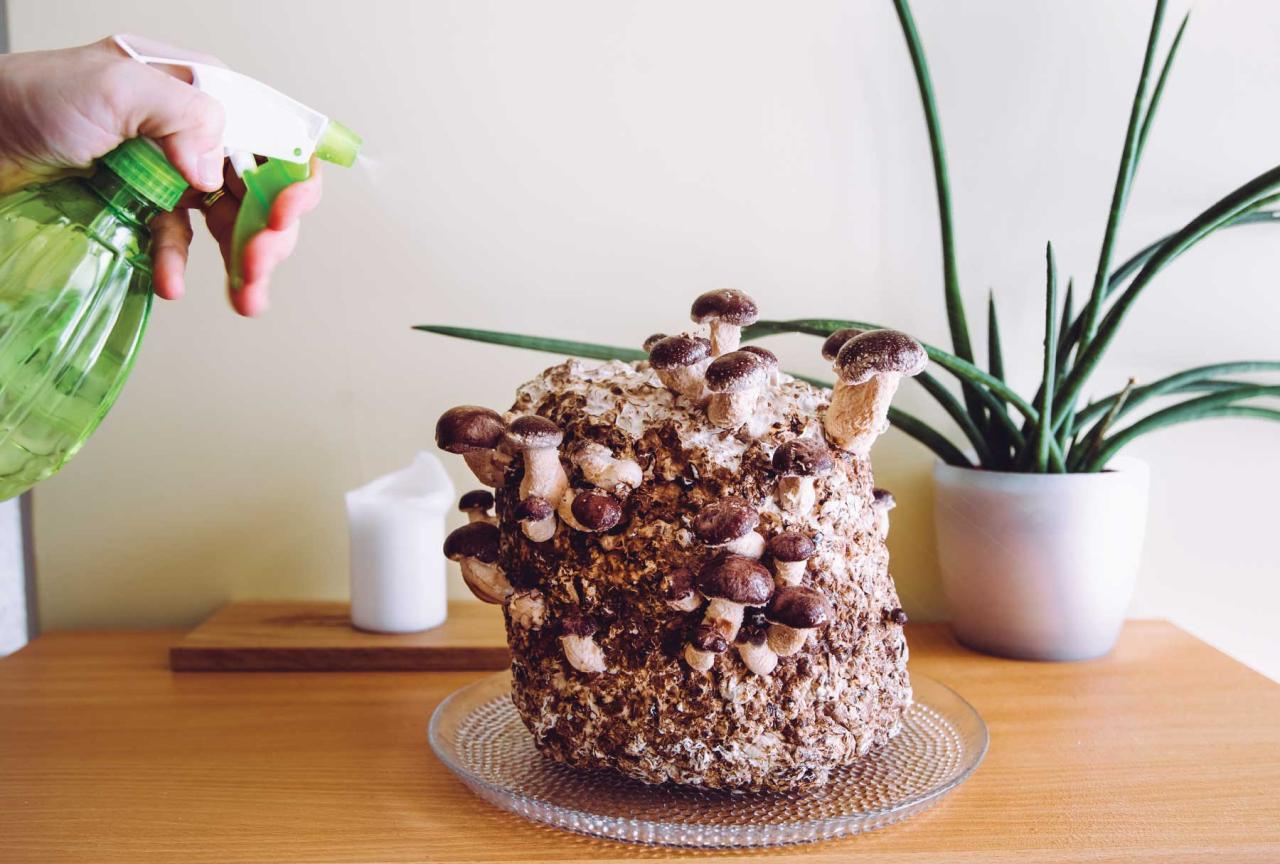
As we conclude this guide on How to Set Up Your First Mushroom Growing Space, you are now equipped with the knowledge to transform a simple area into a thriving mushroom habitat. From selecting the right method and gathering essential supplies to mastering substrate preparation, inoculation, and environmental control, each step has been laid out to ensure your success. Remember to monitor your progress diligently, troubleshoot any emerging issues, and enjoy the rewarding experience of harvesting your own homegrown mushrooms, opening the door to continued cultivation and culinary delights.